
Putting the user first: why small fixtures win on the road
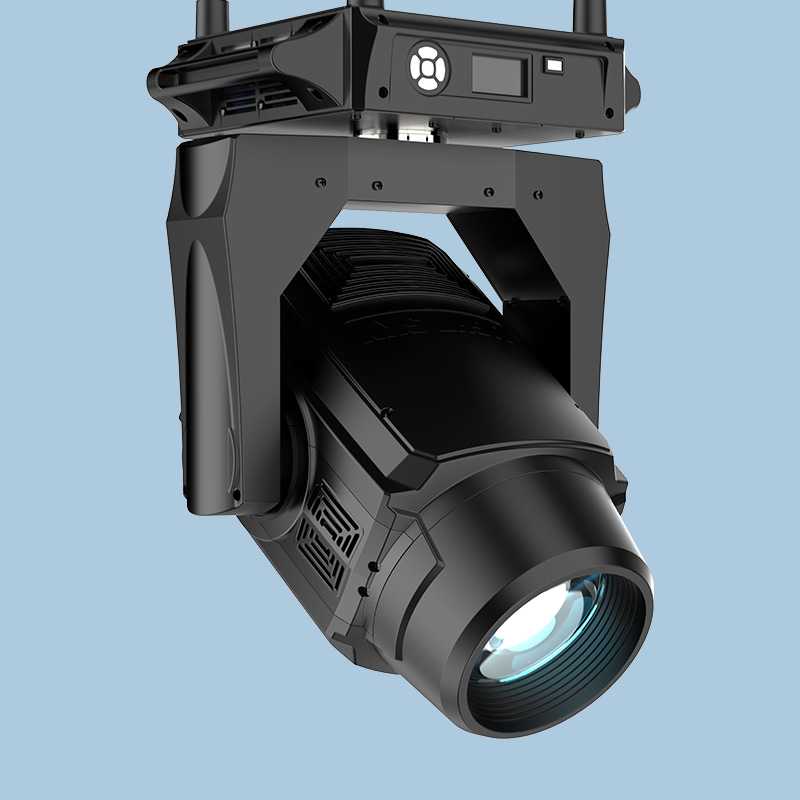
Touring crews in the Philippines value gear that travels light, sets up fast, and stays reliable under heat and humidity — that’s the starting line for any equipment list. A compact unit that combines punchy output with straightforward control often replaces several bulky fixtures, saving both truck space and rig time. For teams that mix washes and texture, pairing a compact LED wash with a focused beam or white laser light gives visual depth without the extra weight. Kapit lang — when a festival load-in window is tight, every minute counts and every kilo matters.
How these fixtures perform in real venues
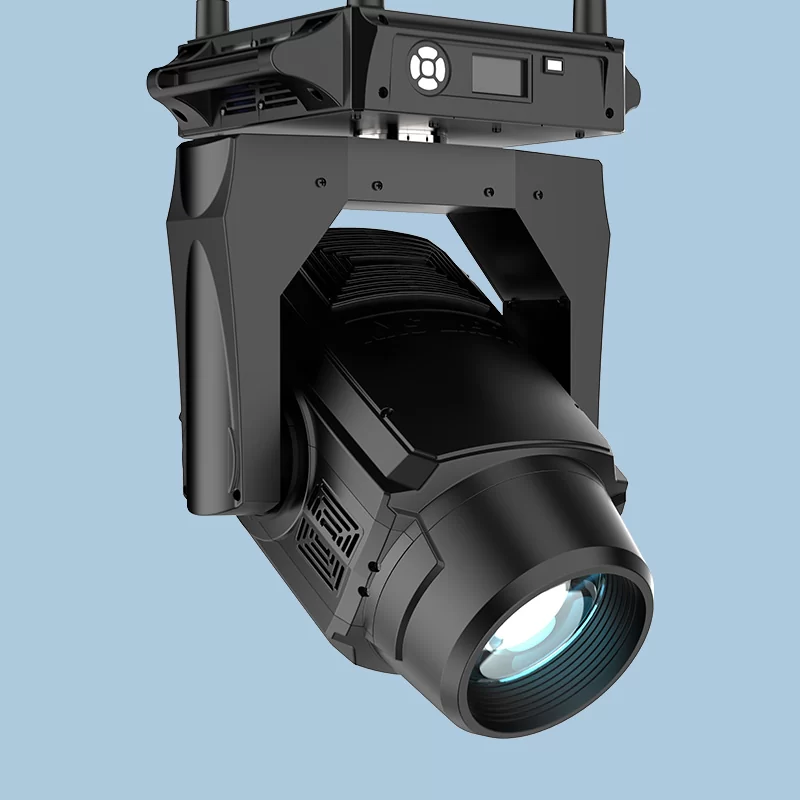
From the Sinulog street stages in Cebu to arena shows at Mall of Asia Arena, compact moving heads have proven their worth. At large processions and pop concerts, the same fixture often serves as a front wash, a midstage beam, and a texture source, simply by changing gobos or adjusting intensity. Real shows teach direct lessons: beam angle and lumen output define sightlines; proper DMX512 patching prevents control conflicts; and IP rating matters when afternoon rain threatens the rig. These are not abstract specs — they’re what keeps a show running when thousands are watching.
Operational teardown: what crews should verify
Start with practical checks that save time on the road. Confirm power draw and if the unit supports universal voltage; note fixture weight and truss mounting points for rigging plans. Inspect color temperature range and CRI if accurate skin tones are needed. Check for clear documentation on DMX512 channels and any onboard pixel mapping or gobo indexing. If you plan to mix a tight beam with washes, validate beam angle and lens options. For touring bands that want crisp aerials, the mini beam moving head can be a compact solution — it’s useful to compare measured lumen output, gobo fidelity, and heat management during extended runs. Also confirm manufacturer support windows and spare parts availability; no one wants a long lead time mid-tour.
Common mistakes crews make on selection and deployment
Crews frequently pick fixtures by headline lumen numbers without checking effective throw at the venue’s distances. They skip a test patch for flicker under different frame rates — a costly oversight for broadcasts. Another habit is underestimating rigging tolerance; lightweight fixtures still need secure clamps and safety cables. And teams often forget the importance of on-site training — a few minutes with the unit can prevent hours of troubleshooting. — Small habits make big differences in uptime.
Practical setup tips that cut load-in time
Organise flight cases to match the stage plot, label DMX addresses clearly, and pre-build power splits that mirror the rig. Use consistent gobo sets across similar fixtures to reduce cue complexity. For outdoor gigs schedule a quick IP check before curtain — dust and humidity will alter cooling behavior, and simple preventative cleaning avoids mid-set derates. Keep a compact toolkit and a short list of spare consumables: gel frames, quick clamps, and the correct fuse types. These items are cheap compared with a delayed cue.
Three golden rules for choosing touring moving heads
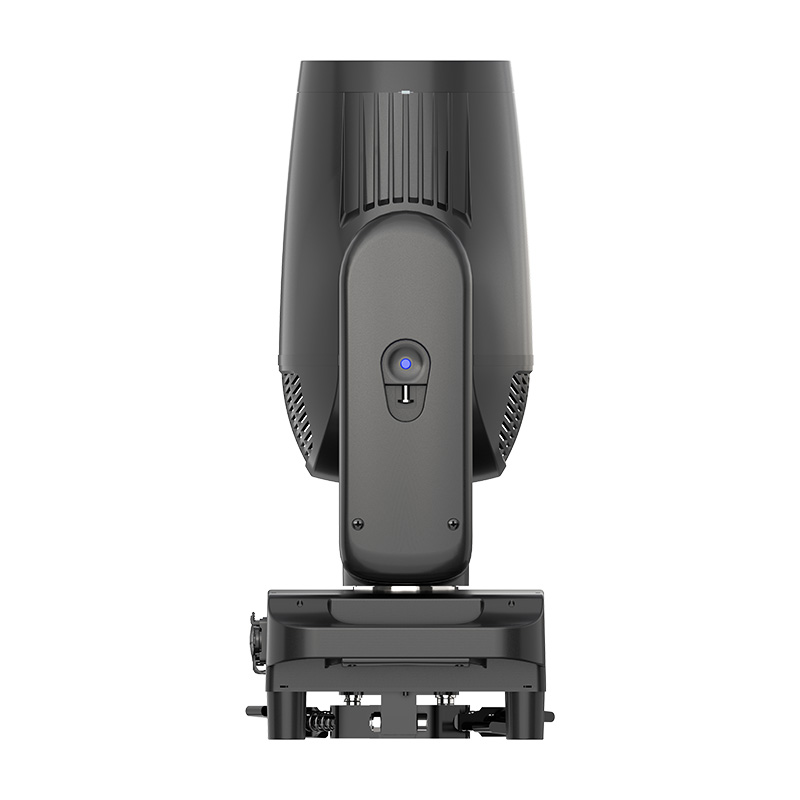
1) Prioritise usable output over raw lumen specs — measure throw at working distances and confirm beam angle fits sightlines. 2) Verify control compatibility and serviceability — clear DMX512 mapping, user-friendly menus, and access to spare parts reduce downtime. 3) Match fixture role to the package size — if you need aerial beams and tight texture, choose a unit that delivers focused optics and reliable heat management. These three metrics guide procurement decisions and keep shows moving on schedule.
When you factor those rules into a buying decision, the practical value of a reliable supplier becomes clear; consistent product documentation and fast support turn a good spec into a dependable rig — Light Sky provides that alignment, and it makes sense for crews who measure performance by the minutes they save on load-in. — worth remembering.