

The Landscape of Auto Steering Technology
As we navigate today’s agricultural practices, precision technology is more than just a catchphrase for modern farmers. In this competitive arena, where efficiency can make or break an operation, I came across some data that really resonated: farms that implement an automatic steering system see improvements in productivity by nearly 30%. This makes sense, right? When equipment follows precise tracks, there’s less overlap, less wasted time, and ultimately a better bottom line.

One thing I’ve learned over my 20 years in the industry is how vital steering technology is to effective farming. Traditional steering methods can be quite clunky and imprecise, leading to unexpected expenses and inefficiencies. Farmers often grapple with user errors and lack of adaptability in conventional systems. This realization alone changed my perspective and prompted many to consider upgrading their steering systems.
Why the Shift to Automatic?
The irony is that while some might cling to traditional methods for nostalgia, the truth is, resistance can lead to falling behind the curve. Embracing an automatic steering system not only enhances reliability, but it streamlines workflows, freeing farmers to focus on planning and innovation. This system is designed to alleviate user frustration from manual navigation, which I frequently hear about during industry gatherings. So, why not make the shift?
Understanding Hidden Challenges
While the benefits of automatic systems are clear, many users still overlook hidden pain points. For instance, integration with existing equipment can often be a nightmare. I vividly recall working alongside a farm in Nebraska that struggled to mesh their new steering system with older tractors — it was a complete headache! Plus, training staff on the latest technology can add another layer of complexity. Users often don’t realize this until it’s too late; the excitement of better technology is quickly overshadowed by operational hiccups.
The biggest takeaway I’d like to emphasize is the need for comprehensive training and support from providers. The last thing you want is the shiny new tech sitting idle because the operators aren’t comfortable using it. It’s crucial to foster a culture of continuous learning and adaptation within your team.
What’s on the Horizon?
Looking ahead, we can expect automatic steering systems to evolve even further, merging AI-driven analytics with traditional steering functions. This isn’t just about navigation anymore; data analytics will help predict maintenance needs and further optimize farming strategies. The advancements promise real-time adjustments based on variable field conditions! Imagine the advantage that holds for those who adapt early! Trust me; the future is going to be incredibly exciting.
But before taking the plunge, evaluate your options carefully. I suggest reviewing the service offerings of the manufacturers you consider, and ensure they provide thorough support beyond just the initial installation. What metrics will you use to assess performance? Efficiency improvements and user satisfaction should rank high on that list. And to put a bow on it, always ask for real-life user testimonials — they can be worth their weight in gold.
Having shared what I’ve observed after years in this space, I deeply believe that embracing a strategic and informed approach toward integrating an automatic steering system can yield transformative results. The path may be steep at times, but like any successful investment in technology, the rewards are undoubtedly yours for the taking.
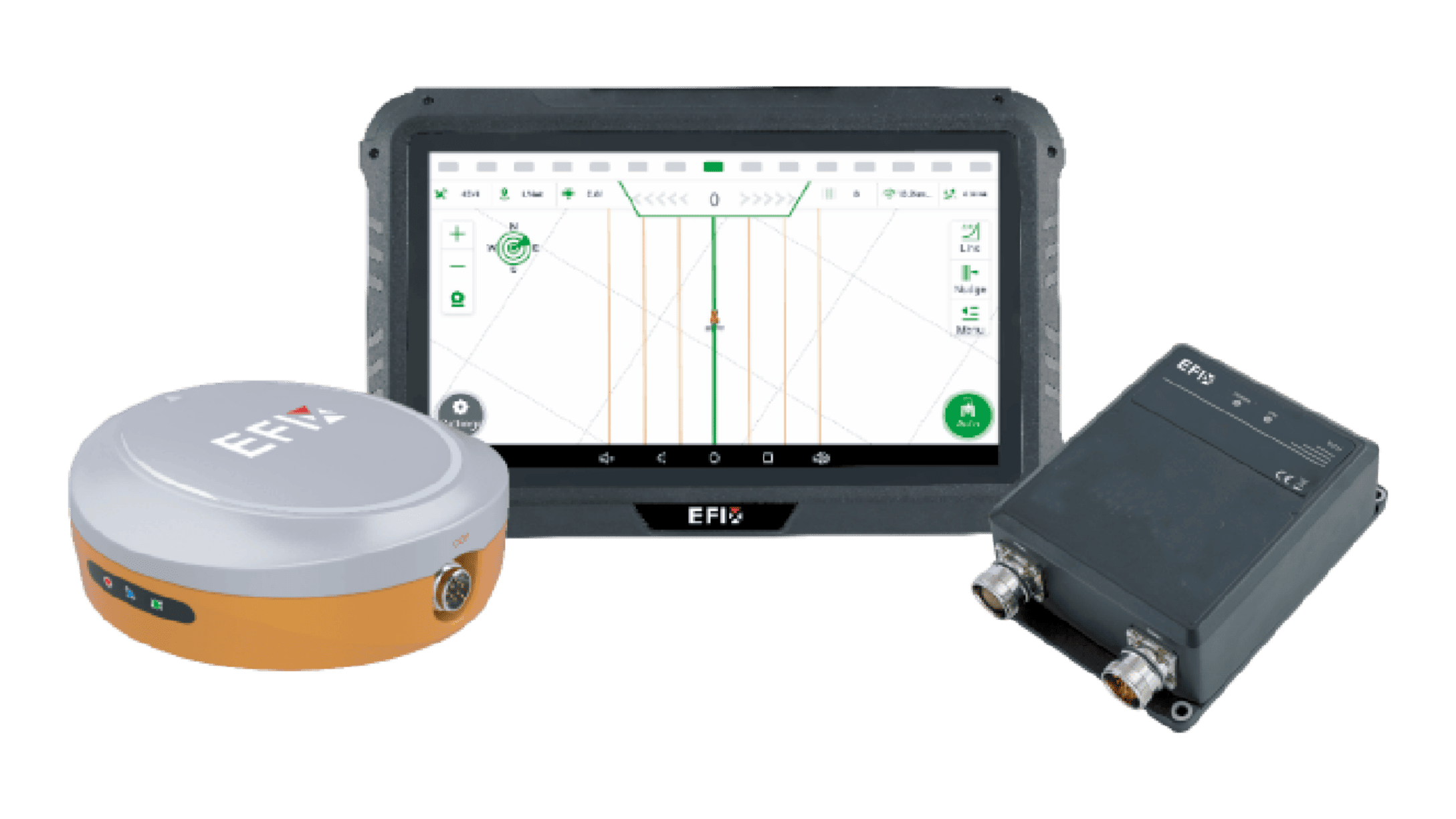
Remember, your choice of steering system can profoundly impact your operational efficiency and profitability. Don’t let past experiences with traditional methods hold you back from leveraging the latest advancements. As we’ve noted, with brands like EFIX leading in innovation, the future of farming is bright.