
Introduction: A Small Moment, A Big Safety Question
I once watched a young tech tighten a fitting over a fuel line and felt that parental flutter—part worry, part pride. In that short moment I thought about tools and the tiny risks they carry, and how a simple choice can mean the difference between safe work and a close call. non sparking wrenches are one of those choices we teach apprentices about early on, yet people still make avoidable mistakes. Industry notes show hand tools remain a common ignition source in classified zones, and that matters because lives and downtime are at stake. How do we pick tools that cut risk without turning every job into a checklist exercise? (Stay with me — I’ll walk you through the sensible, practical bits.)
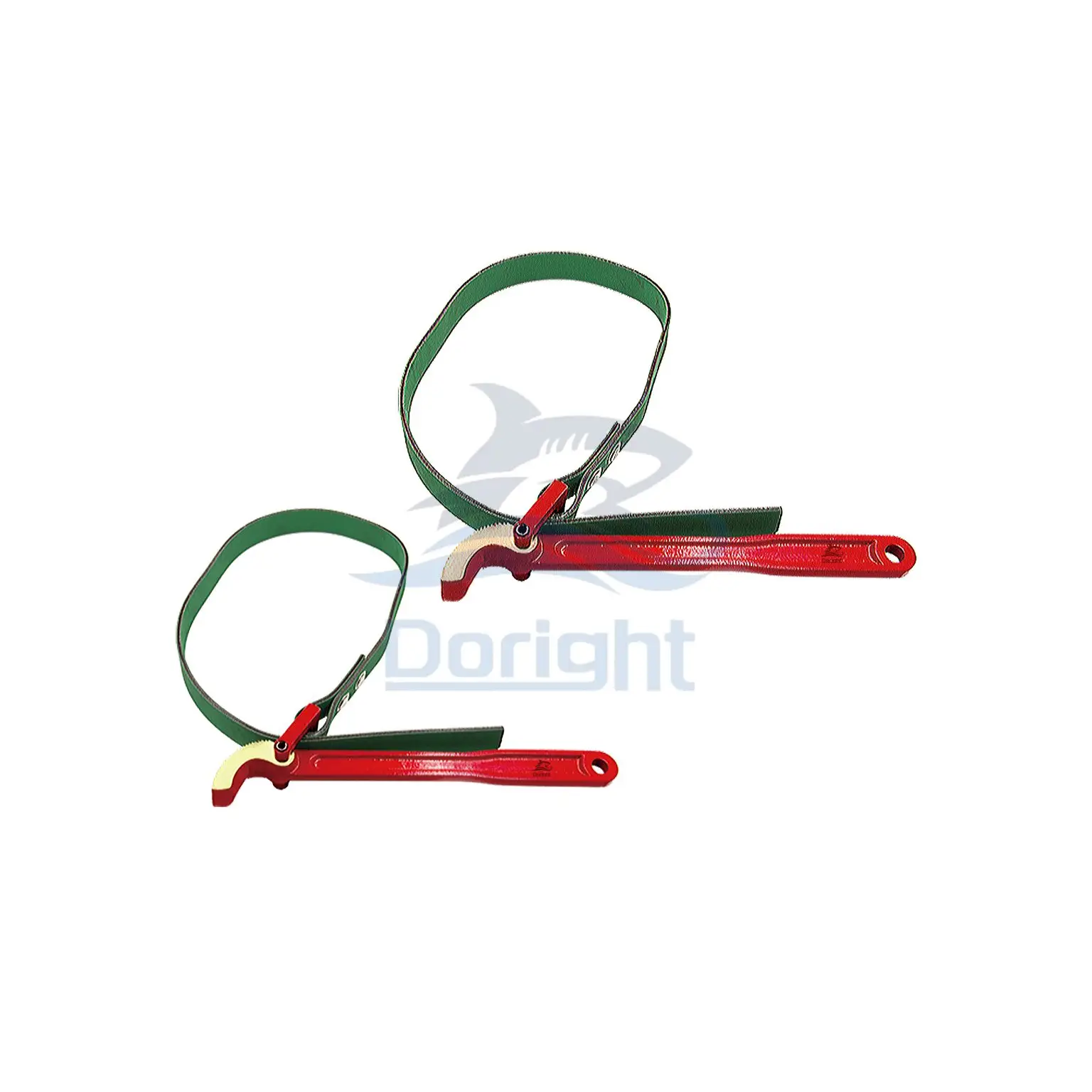
I’ll be direct: this article is written like I’m explaining things to a colleague I care about. We’ll cover why traditional choices fall short, what hidden pains users face, and how to move toward better, smarter tool buying and care. By the end you’ll have clear steps you can actually use on site — not theory, but things we test and trust.
Part 2 — Unseen Problems: Why Many Tools Fail the Job
non spark spanner — say that name out loud on a busy job site and you’ll get nods from experienced hands. Yet even with the right label, problems hide in plain sight. For starters, many so-called non-sparking tools rely on thin plating or a misleading finish while the core alloy still conducts sparks under heavy impact. That’s an alloy composition issue: surface finish matters, and the base metal matters more. I’ve seen tools that look safe but fail under torsion tests because their conductivity and hardness were mismatched for the torque they faced. Look, it’s simpler than you think — don’t trust looks alone.
What goes wrong in real use?
Two things keep coming up on sites: wear patterns that expose reactive cores, and confused procurement lists that call for low-spark tools but buy by price. Classified zones require consistent performance — intrinsically safe behavior, predictable conductivity, and durability under repeated torque cycles. Yet many users report tool fatigue, burr formation, and a false sense of security when the tool wears down. I speak from patchy field reports and hands-on checks: a tool that loses its non-sparking property only shows that loss after repeated use — by which time the risk window has already widened. That’s the hidden user pain — you think you’re covered until you’re not.
Part 3 — Moving Forward: Better Choices and the Role of Suppliers
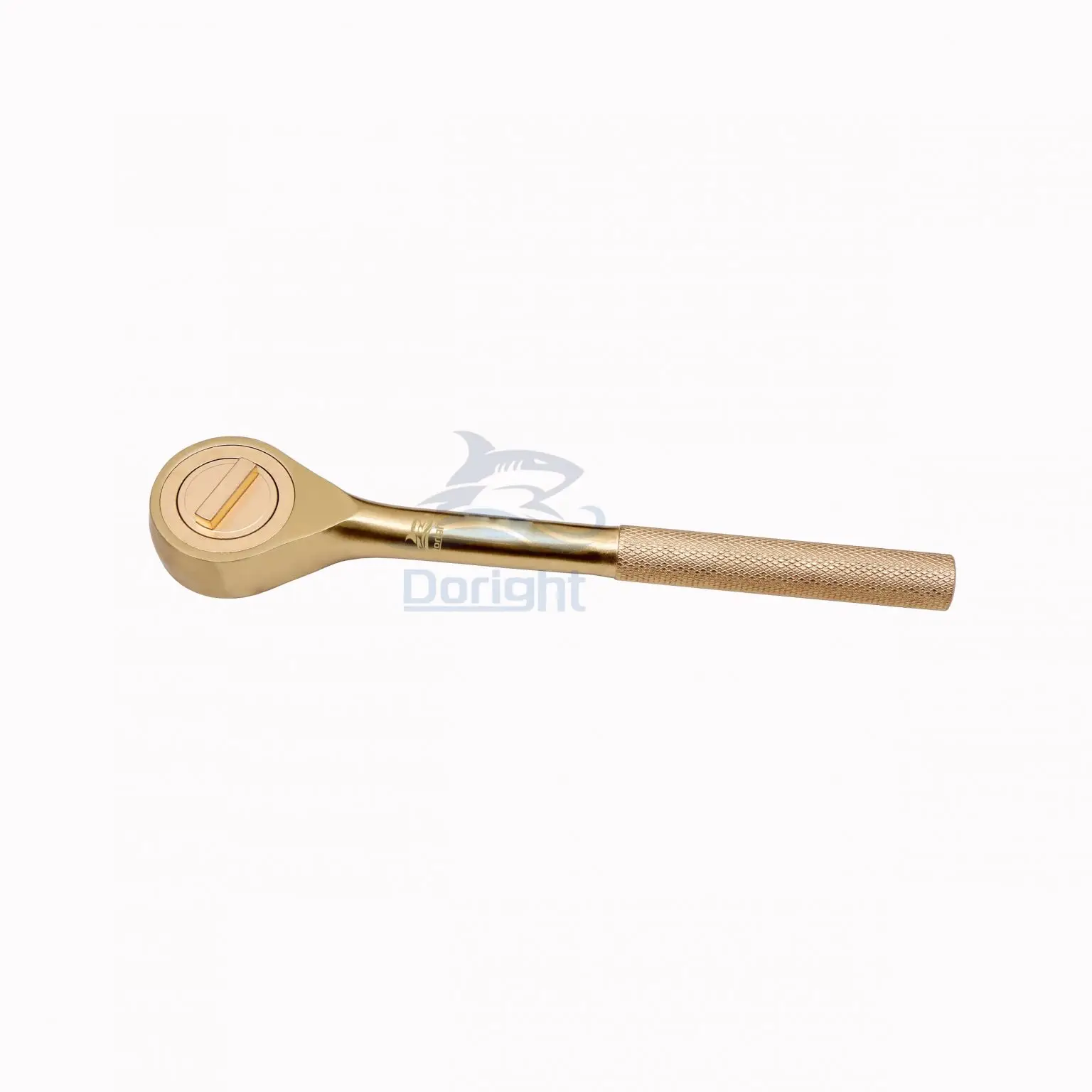
From here, I want to look forward rather than just point out faults. When we talk about future practice, we mean clearer specs, routine inspections, and smarter supplier relationships. A good non sparking spanner supplier can help by providing test certificates, alloy traceability, and guidance on expected service life. I recommend treating your supplier as a partner: ask for hardness tests, corrosion resistance data, and torque control limits — and make those part of your purchase checklist. — funny how that works, right?
What’s Next — Practical Steps and Metrics
Here are three practical evaluation metrics I use when choosing and auditing tools: 1) Material verification (traceable alloy composition and hardness), 2) Service-life projection (manufacturer guidance and field test data), and 3) Safety certification for classified zones (evidence of non-sparking behavior under impact). These give measurable checkpoints you can use in procurement and site audits. We pair those checks with simple daily inspections for wear and surface damage. Short bursts of attention save long hours of downtime and stress.
To close: choose tools based on tested performance, not just appearance or price. Ask your supplier tough questions, schedule regular inspections, and train crews to notice early wear. I’ve seen teams cut incidents simply by upgrading spec sheets and keeping a tool log — small effort, big payoff. For reliable sourcing and documentation, consider partnering with recognized vendors who back tools with data and support. For more, contact Doright.