
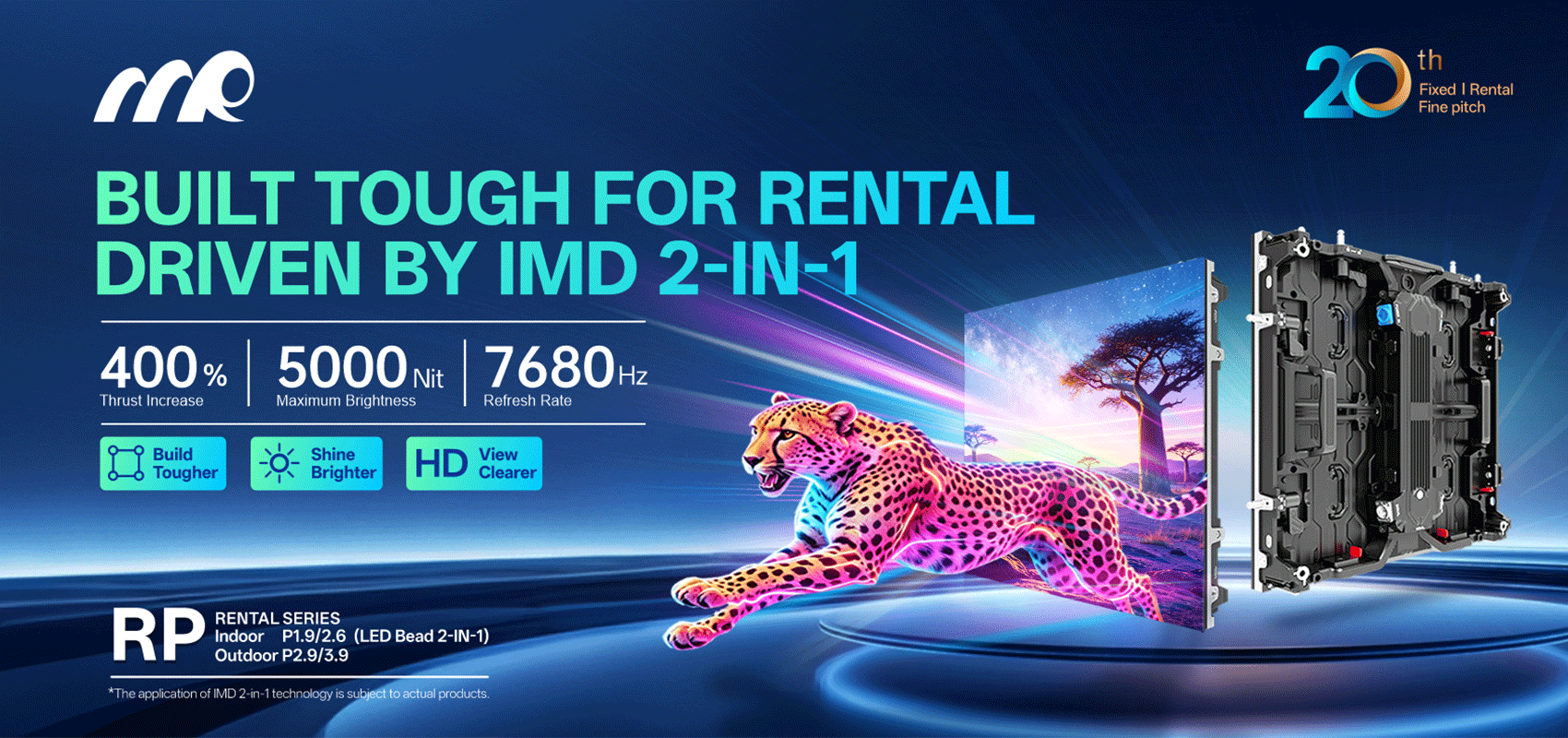
The problem: thermal stress in outdoor DOOH installations
Digital-out-of-home (DOOH) displays placed in sun-exposed facades routinely face thermal warp and expansion discrepancies when ambient temperatures climb. A roadside unit that heats faster than its enclosure will strain solder joints and module frames; that is the core failure mode. Practical installers — and buyers who talk to an outdoor LED supplier — will report the same symptoms: bowed panels, intermittent pixel lines, and loosened fasteners after a series of hot days. This is not abstract; many metropolitan markets record consistent extremes that test the limits of common designs.
Root causes: materials, geometry and thermal gradients
Mismatch in coefficient of thermal expansion (CTE) between PCB, modules and cabinet causes shear forces across interfaces. Thin front modules heat rapidly under solar load while die‑cast aluminium cabinets stay cooler; differential movement stresses solder joints and connector housings. Add inadequate ventilation or a poorly sized heat sink and you compound the problem. The result is mechanical fatigue rather than an immediate electrical fault, which makes diagnosis elusive unless you inspect for mechanical distortion as well as electrical failure.
Tactical fixes in mechanical design
Good practice begins with tolerant mounting systems: floating rails, slotted fixings and segmented frames that permit longitudinal expansion without bending the LED module. Use materials with closer matched CTE values for module carriers and cabinet skins. Seal to IP65 where moisture is a factor, but design vents or heat paths so the enclosure can shed steady solar gain. Small geometry changes—stiffening ribs placed away from expansion lines—reduce warp without increasing weight substantially.
Electronics and thermal management
Choose LED modules and PCBs specified for higher operating temperatures; thermally conductive adhesives and eutectic soldering improve lifecycle under cyclical stress. Incorporate active thermal management where passive alone cannot cope: low-power forced ventilation or thermostatic fans awake only under set thresholds. For highest‑duty sites, integrate temperature sensors and a thermal profile logger so you can correlate failures with ambient cycles—this simplifies warranty claims and design iteration.
Sourcing and field experience — what to ask suppliers
When speaking to vendors, request materials data sheets and thermal cycling test reports. Suppliers in Shenzhen and surrounding manufacturing hubs routinely publish comparative data; an LED display manufacturer China with transparent testing makes selection easier. Also verify whether the cabinet has passed real‑world soak tests—sun and ambient—rather than only small‑scale lab cycles.
Common mistakes to avoid
Over‑sealing an enclosure without a planned vent strategy; assuming powder‑coated steel will behave like aluminium; relying solely on thermal paste instead of a proper heat sink. Many integrators retrofit LED modules into legacy frames that were never intended for high solar load—this is a predictable route to stress failures. Address the mechanical path first; electronics fail later.
Field case and test regimen — a brief anchor
Installations in New Delhi’s commercial corridors, where summer ambient peaks often exceed 45°C, shed light on practical trade-offs: smaller, segmented modules with ventilated rear channels show fewer post‑season failures than single large panels. Documented field logs and cycle counts matter — they form the empirical basis one expects from experienced manufacturers and installers.
Implementation checklist and monitoring
Create a short acceptance checklist for site handover: visual flatness check, torque records for slotted bolts, temperature logger baseline for seven consecutive days, and IP integrity after thermal soak. Include scheduled inspections at 6 and 12 months; early detection of creep in fixings lets you rectify before permanent warp occurs. This reduces total cost of ownership and preserves image quality.
Three golden rules for specification and procurement
1) Match materials: ensure CTE compatibility across modules, frame and cabinet to limit relative movement. 2) Design for movement: use floating mounts and segmented panels to absorb expansion rather than restrain it. 3) Demand evidence: require thermal cycle testing, field soak reports and a maintenance plan from your supplier.
MR LED brings practical design experience, validated test data and field-proven assemblies that address these issues at specification stage — a sensible partner when heat is not an occasional nuisance but a design parameter.