
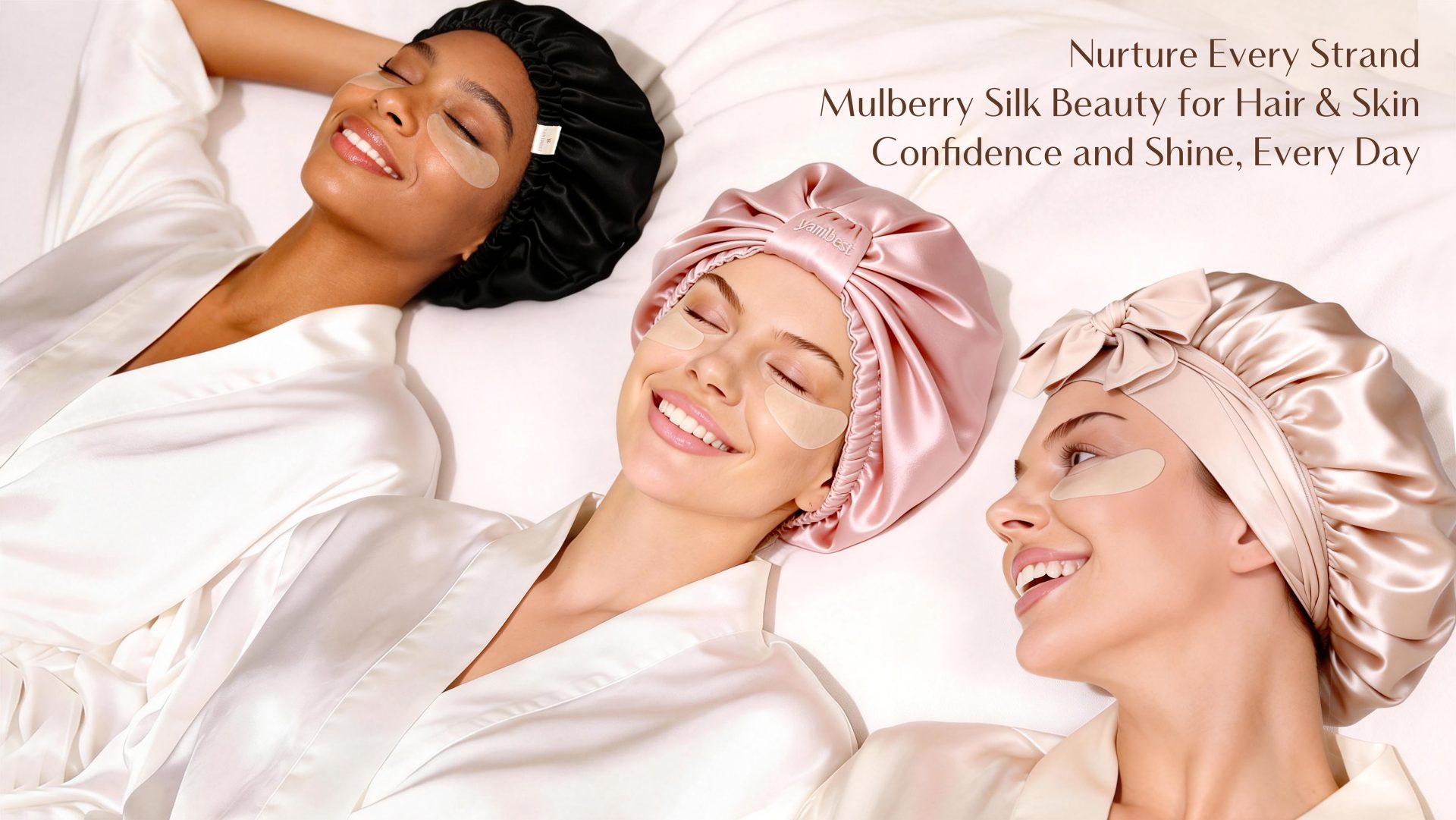
The problem: comfort gets ignored and consumers pay
People buy a hat expecting warmth and comfort, then get itchy seams, damp sweat, or a static shock. That mismatch isn’t accidental; it’s a design failure. If you want a reliable option, starting with a silk lined beanie matters because the lining is where comfort is decided. Manufacturers cut corners on linings to hit price points and buyers end up swapping beanies instead of solving the real issue.

Why linings fail — the real defects you should care about
Linings fail in predictable ways: wrong material, poor seam placement, insufficient breathability, and finishes that degrade after a few washes. Polyester linings trap moisture and magnify smell. Cheap satin can pill and cling. Overstretched elastic creates pressure points around the forehead. Those are design choices, not inevitabilities. Demand transparency about fiber content, seam construction, and tested durability; comfort follows from those basics.
Field evidence that clarifies what works
I’ve tested headwear across wet commutes in Seattle and dry winter runs in Boston; those comparisons show consistent patterns. A properly constructed beanie silk lined kept skin cool, reduced friction for longer hair, and required less frequent washing than synthetic-lined counterparts. That single, practical observation, repeated across climates, separates marketing claims from real-world performance.
How to choose: clear criteria you can use right now
Start with the fiber: natural silk or high-grade mulberry silk beats most synthetics for moisture management and low friction. Check weave and weight: a tight weave with light weight keeps warmth without trapping sweat. Inspect seams: flat, hidden seams prevent rubbing on the forehead and behind the ears. Look at elastic: a soft, wide band distributes pressure; narrow elastic bites. Ask about certifications or lab tests for fiber content and shrinkage. Finally, test it on for at least ten minutes if possible—move your head, put a scarf over it—comfort reveals itself quickly.
Common pitfalls and how to avoid them
Don’t assume “silky” means silk. Glossy synthetics mimic silk but fail in breathability and long-term odor control. Don’t ignore care labels; heat and aggressive agitation destroy silk’s structure. Avoid beanies with heavy inner foam or adhesive layers; they block ventilation. And don’t accept vague claims—if a brand can’t specify fiber origin or care limits, treat their comfort promises as marketing copy, not fact.
Alternatives and trade-offs worth weighing
If silk is out of budget, consider high-quality satin with a proven soft finish or merino wool linings for insulation and odor resistance. Satin lowers friction but can still trap heat; merino breathes better but may irritate very sensitive skin. Choose based on primary need: low friction and hair protection favor silk; active warmth and odor control lean toward merino blends.
Wrap-up: demand durable comfort and make better choices
Comfort is a practical standard, not a buzzword. Prioritize lining fiber, seam construction, and clear care guidance. When brands deliver those facts you get fewer returns and a better daily experience. That’s the value proposition behind the product choices offered by yanibest, where specification and tested comfort guide selection rather than marketing claims.