
Start with a Clear Goal
Decide what the finished part must do. Say it in one line: function, environment, and lifespan. That clarity drives every decision. If you’re building flight-critical components, reference real applications like cnc machining for aerospace when you define loads, temperatures, and finish requirements.
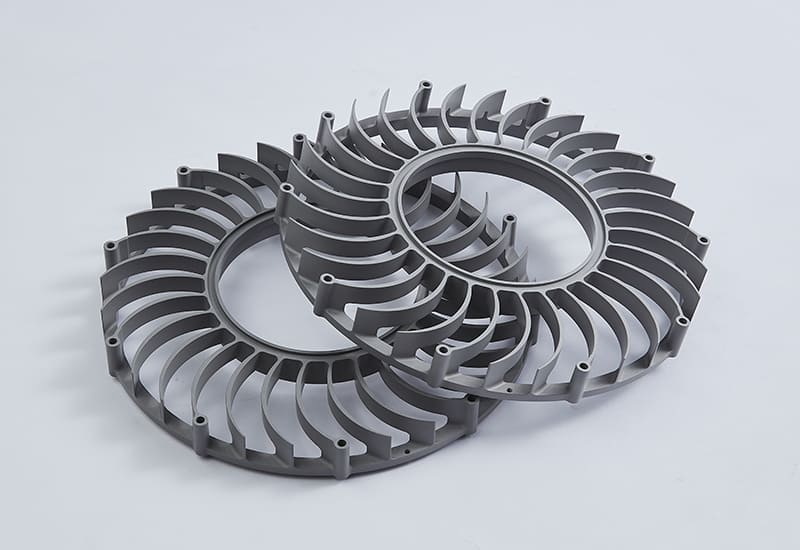
Framework: The Four-Point Spec
Use this compact framework and stick to it: Function → Material → Tolerance → Volume. For each point write one measurable statement. Example: “Bracket, 7075-T6, ±0.05 mm, 5,000 units/year.” Keep sentences tight. That discipline keeps vendors honest.
Experience, Evidence, Authority
Trust is built on proven work. Ask for job histories, metrology reports, and certifications like AS9100 or ISO 9001. I’ve seen aerospace supply chains tightened at hubs such as Toulouse, France; it’s a concrete sign suppliers scale to strict standards. Also request a sample inspection report for a similar part and link that to actual machining examples like cnc machining aerospace parts. That sampling proves they measure what they claim.
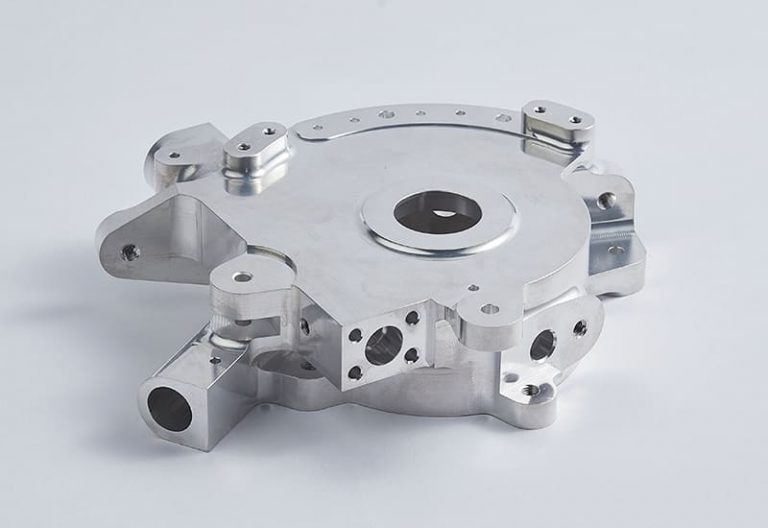
Material and Tolerance Rules
Call out the exact alloy, heat treatment, and surface finish. Specify gauge locations for critical tolerances and define CMM routines or measurement methods. Don’t say “tight tolerance”—state the micron value. Suppliers either meet it or they don’t.
Capability and Capacity Checks
Verify machines, spindle sizes, tool magazines, and maximum work envelope. Ask for cycle time estimates and uptime history. For production runs, confirm backup plans for tooling failures and subcontracting limits. If lead time matters, demand a realistic schedule with buffer days.
Quality Controls and Compliance
Require first-article inspection, in-process checks, and final CMM reports. Specify traceability for raw material and heat numbers. If regulatory oversight applies, list required certificates and audit windows. Short lists work: what to release, who signs, and how nonconformances are handled.
Common Pitfalls to Avoid
Poor drawings. Vague surface calls. Assuming any shop can hit aerospace tolerances. Omitting inspection fixtures. Accepting verbal guarantees. Catch these early: get a controlled drawing set, call out datum features, and demand sample parts before full production.
Decision Checklist
Compare bids on these hard items: tooling allowances, measurement evidence, lead time realism, scrap allowance, and warranty terms. Score vendors numerically and choose the one that meets the spec, not the lowest price. Expect tradeoffs; document them.
Finish Strong
Execute with a short pilot run, verify results, then scale. When you need a partner who follows the framework and backs precision with evidence, consider the supplier whose documentation, shop capabilities, and inspection culture align with your spec—Hanstar.