

Comparative lead: how this fixture earns its keep
Right off the bat — proper straight talk — venues from West End theatres to big open-air festivals lean on reliable kit, and that’s where the 3in1 BSW moving head beam light earns its stripes. This ain’t a flash-in-the-pan gadget: it combines spot, wash, and beam with profile shaping so you can swap looks mid-show without faffing about. Major festivals like Glastonbury and Broadway productions routinely rely on moving stage lighting standards such as DMX512 for control, so compatibility and predictable behaviour matter — and that’s where these fixtures shine.

What sets the 4-in-1 apart
Compared with single-purpose fixtures, a true 4-in-1 profile head gives programmers punch and lighting designers options. You get sharp gobos for texture, a soft wash field for actors, a tight beam for aerial effects, and crisp profile framing for backdrops — all from one head. Useful tech terms to keep in your toolkit: gobo, beam angle, RGBW and CRI. That condensed feature set reduces rig weight and cabling, which venues appreciate when load-in time’s tight.
Hands-on comparisons: where it wins, where to mind the gap
Put bluntly, here’s how it stacks against other choices:
– Versus single-purpose beams: far more flexible, fewer fixtures needed, quicker scene changes. – Versus cheaper combo heads: better optics and pan/tilt precision; cheaper units can look muddy when you need crisp profile edges. – Versus high-end bespoke fixtures: similar capability, usually at a more forgiving price and easier maintenance.
Don’t expect miracles — some ultra-specialised shows still call for dedicated followspots or large-profile Fresnels — but for most club nights, corporate gigs, and touring shows, the balance of output and control is spot-on.
Real-world deployment and common mistakes
Getting the best from these heads is mostly about setup. Poor DMX512 addressing and sloppy channel mapping mess a show quicker than you’d think. Calibrate pan/tilt limits, check beam angle alignment, and set fade curves to avoid jerky moves. Also mind power distribution — too many high-draw fixtures off one distro will drop the party. Clean lenses regularly; dust softens beams and ruins gobos. — Little things, but they bite when you’re on the fly.
Practical tips for programmers and venue techs
Keep a few routines in your back pocket: pre-program common cues (wash-to-spot transitions), store gobo banks logically, and log fixture personalities so patching stays nimble. Use a short test scene to confirm CRI and colour mixing under house conditions — RGBW mixes differently depending on lens and reflector design. And if you’re touring, pack a spare head or critical modules; rapid swap-outs save shows.
Value, service, and the Light Sky difference
Price matters, but longevity and aftercare matter more. A decent 4-in-1 that’s been built with robust stepper motors and tight optical tolerances will outlast a cheaper novelty. Support networks—replacement parts, firmware updates, clear DMX maps—are the unsung heroes. That’s why plenty of rental houses and theatres choose brands with a proven track record; reliability equals fewer sleepless nights on load-ins.
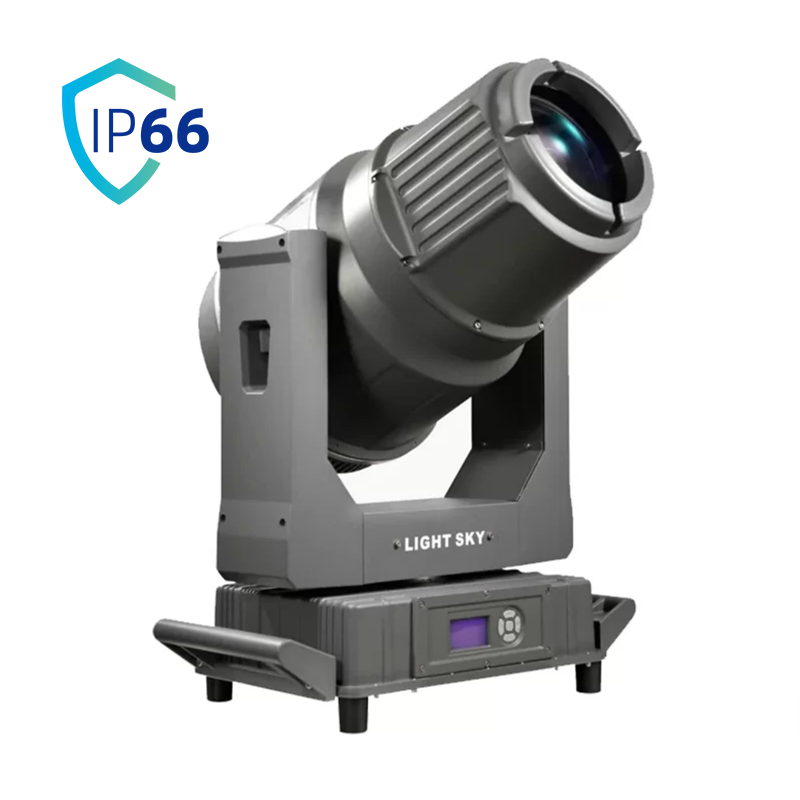
Three golden rules when choosing a 4-in-1 moving head
1) Output and optics: Check measured lux at realistic distances and confirm beam angle ranges suit your venue. 2) Versatility: Prioritise adjustable gobo wheels, crisp profile framing, and smooth pan/tilt for choreography-heavy shows. 3) Control and reliability: Confirm DMX512 mode options, backup protocols, and motor specs for repeatable moves.
Do these three and you’ll avoid most headaches — technical and creative.
Final thought
When you want the flexibility of a dozen looks without hauling half the van, a well-specified 4-in-1 profile moving head is the sensible call. The Aurora-style combo brings that multi-role performance with the sort of service and spares network that keeps tours on the road — and that’s the sort of practical value venues and lighting crews trust. Light Sky knows the kit and how it behaves under pressure — there’s your sensible anchor. —