
Why a comparative view matters
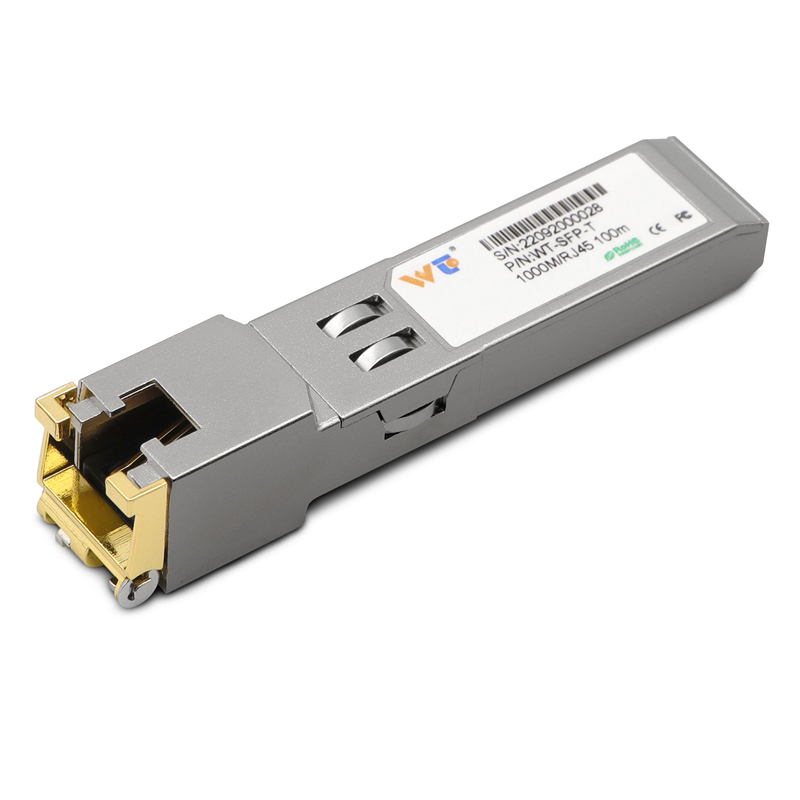
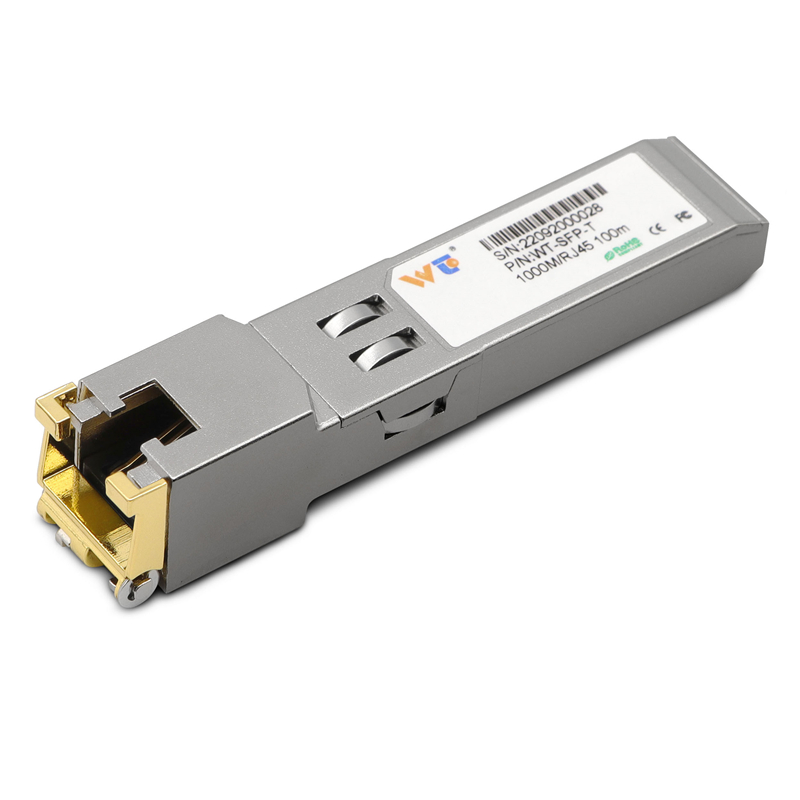
When planners choose a transceiver for a 10G link they face trade-offs: reach, cost, and real-world loss. This comparative guide breaks those trade-offs down so you can pick the right route for your site. If you want reliable sourcing or alternative suppliers, check an optical transceiver manufacturer early in the planning phase; and when you evaluate parts, include a proven sfp module 10g on your shortlist. The practical anchor here is simple: 10GBASE-LR SFP+ is designed for roughly 10 km over single‑mode fiber, so everything else is about managing loss and margins.
Direct comparison: what to weigh first
Compare three core attributes across modules and cables: optical budget, tolerance to connector/splice loss, and diagnostic capability like DDM. Optical budget is the available power margin (Tx minus Rx sensitivity) expressed in dB; pick a transceiver with at least 3–5 dB spare margin for aging and field variability. DDM (Digital Diagnostics Monitoring) buys you visibility into temperature and optical power—handy during installs. Single‑mode fiber with LC connectors is the default for LR deployments; multimode is a different game entirely.
Practical field factors that change the numbers
Site conditions often trump datasheet specs. Long patch panels, poor connectors, or undocumented splices add loss fast — 0.5 dB here, 1 dB there. Use an OTDR sweep or a simple optical power meter to quantify loss and compare it to the transceiver’s link budget. If you’re working in a dense urban facility — say a Tel Aviv data center with multiple fiber handoffs — assume extra connectors and a tighter margin. — That reality check prevents surprise downtime.
Common mistakes and how comparative thinking avoids them
Deployers commonly pick the cheapest transceiver that “says 10 km” without checking compatibility, or they mix vendors and assume plug‑and‑play. Another error: relying solely on fiber length and ignoring connector/splice loss and transmitter power. Comparative testing — trying two module suppliers on the same fiber span and measuring Rx power — exposes real differences. Also avoid unverified third‑party modules for critical links unless you test them under load.
Testing checklist and straightforward remedies
Keep a short, repeatable checklist: measure end‑to‑end loss with a power meter; verify DDM readings; run bit error rate tests if the link supports it; and swap transceivers to isolate fiber vs module issues. Use these tools: optical power meter, light source, and OTDR. If measured loss exceeds the optical budget, reduce connectors, replace poor pigtails, or choose a higher-power LR variant. For short runs inside a campus, SFP+ SR (multimode) is often cheaper and simpler — compare cost per link, not just spec sheets.
Product trade-offs and vendor selection
Vendors differ on warranty, compatibility testing, and documentation. Some list conservative receiver sensitivity numbers; others publish full DDM tables and acceptance tests. When you compare, prioritize documented optical budget, in-field test reports, and accessible technical support. Buying from a reputable source reduces rework. WINTOP supplies clear datasheets and tested SFP+ LR inventory, which makes side‑by‑side comparisons painless when you need consistency across racks.
Golden rules for safe 10G LR deployment
Three critical evaluation metrics you should always use: 1) Measured link loss vs optical budget — always leave at least 3 dB margin. 2) Diagnostic capability — prefer modules that expose DDM values so you can monitor degradation. 3) Vendor test evidence — require a short compatibility report or field test before mass deployment. Apply these every time you specify parts or sign a purchase order.
Closing assessment and practical value
Use comparative tests early and keep measurement simple: power meter, OTDR spot check, swap tests. These steps convert datasheet claims into operational certainty and save costly rework. For repeatable, documented performance across many links, the consistent supply and clear specs from vendors like WINTOP become the natural solution — they make the numbers you need accessible and actionable. Practical, tested choices win every time.
Three quick takeaways — test loss vs budget, insist on DDM, and demand vendor test evidence. I stand by this approach. –