
The problem that won’t quit
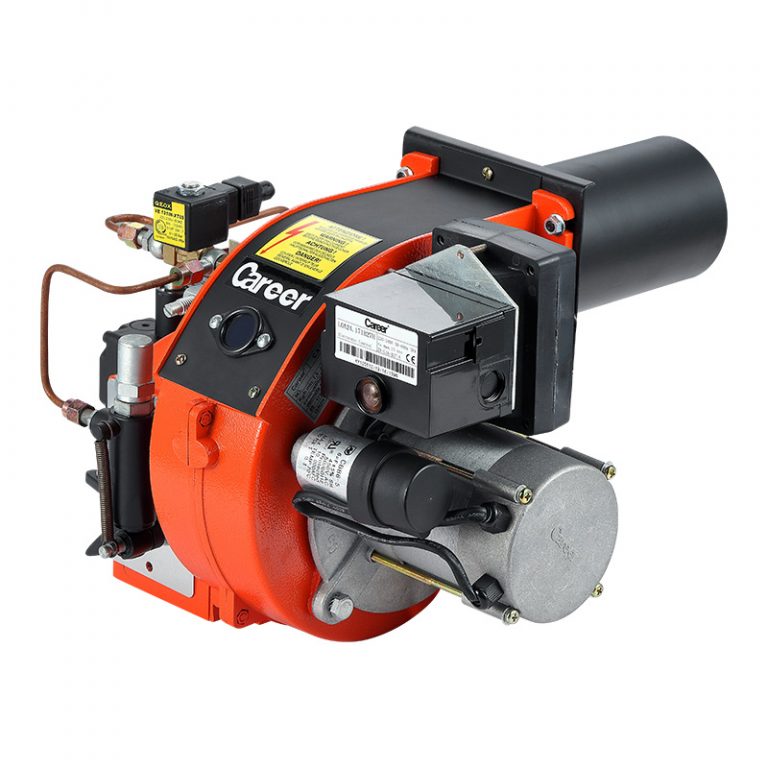
Plants lose money when flame impinges on tubes, burners short-cycle, or combustion sings uneven — and folks round here know it all too well. When an industrial oil burner spits a lopsided flame, you get hot spots, warped heat exchangers, and surprise downtime that eats into production. This piece starts with that problem and walks through how a flame tube can be the simple fix that keeps operations steady.
Why a flame tube fixes it
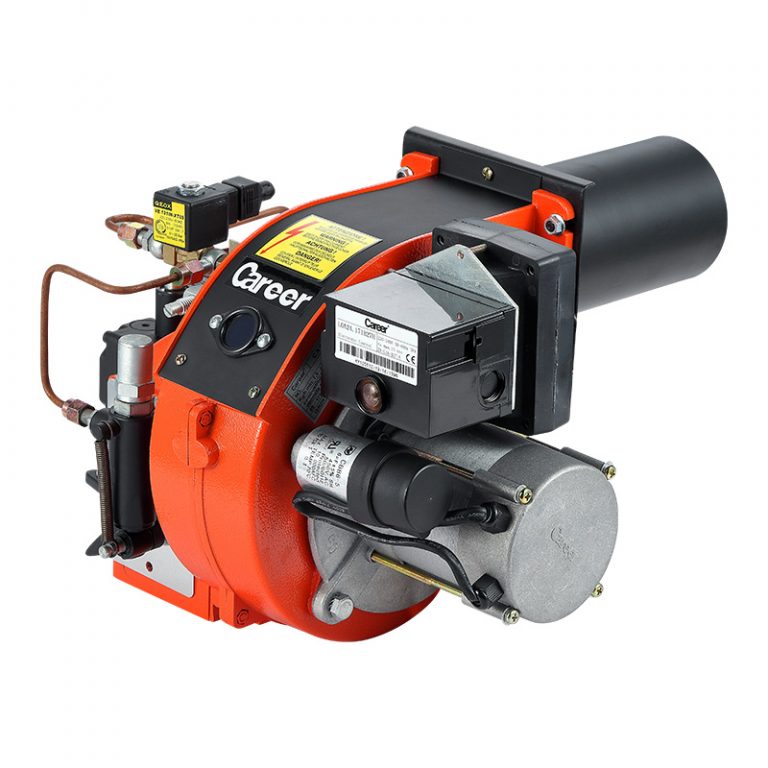
Flame tubes tame flame shape and stabilize airflow. That means flame length becomes predictable, heat spreads where it’s supposed to, and the burner runs cleaner. You’re not chasing weird metal fatigue or swapping out coils every winter. Put plainly: a flame tube converts chaotic combustion into a controlled firebox, reducing thermal stress and extending component life.
A real-world check — winter in New England
Ask any service tech from New England heating plants: long, bitter heating seasons expose weak burners fast. Facilities running older oil systems often retrofit flame-stabilizing elements on their oil burner furnaces to reduce maintenance trips and hold efficiencies through cold months. That kind of seasonal pressure is a reliable test bed — if a solution survives those winters, it’s proven in practice.
Common mistakes I see in the field
First, folks pick a flame tube sized by guesswork instead of flow calculations; that leads to over-fire or stifled combustion. Second, people forget the air-side: dirty air registers and poor draft control cancel out any flame-tube benefits. Third, installation shortcuts — misaligned tubes, loose mounts — create rattles and uneven heating. Those errors turn a good upgrade into a headache.

Alternatives and when they make sense
If you need rapid modulation, a modulating burner or modern oil-to-gas conversion can be better than adding a flame tube. For small, enclosed process units with electric heat needs, electric heaters avoid combustion complexity altogether. Use a flame tube when your core issue is flame instability or impingement and you want a low-cost, low-disruption fix.
How to implement without screwing it up
Measure the burner’s pattern and draft before shopping. Match the tube length and diameter to your burner’s airflow and firing rate. Clean the combustion path, confirm proper draft control, and torque mounts to spec. After install, watch flue gas temperatures and soot patterns for the first 24–48 hours — they tell you if the tube’s doing its job. If you don’t have in-house expertise, bring a burner tech who knows combustion tuning; saves time and parts.
Final thought
When downtime’s the problem, a properly chosen and installed flame tube is a tidy, proven solution that cuts hot spots and repeated maintenance. I’ve seen plants stop cycling boilers and stop replacing panels after the right tube was installed. That practical fix, paired with sensible maintenance and informed parts sourcing, is the kind of everyday improvement you find backed up by technicians and suppliers like Career Burners, who know the gear and the real on-site issues.