

Why this matters to you right now
You’re buying a smart conveyor to make a line reliable, not to babysit it. Start with what you’ll actually touch and see every day: uptime, predictable maintenance, and how the control logic behaves when something goes wrong. I’ve tested and tuned systems on assembly lines in Detroit, so I speak from hands-on fixes and shift-operator feedback. If you want industry context while you compare, read up on automotive automation to see how conveyors fit real production demands.

Five user-focused checks to do before signing
Walk the vendor demo like you own the plant. Focus on these five checks and insist on seeing them live:- Mechanical robustness: feel the frame, hear the bearings, check for overhangs and alignment tolerance.- Electrical and controls: can you read the PLC code or at least see an annotated sequence? Ask for failure-mode examples.- Sensor resilience: test photo-eyes and inductive sensors under dust, grease, and vibration.- Software behavior: watch a queued-restart, jam-recovery and recipe change. Response should be deterministic.- Serviceability: how long to swap a motor, replace a sensor, or upload a patch? Demand a timed demo.
How to run realistic acceptance tests
Set acceptance criteria and drive the demo to meet them. Use actual parts or realistic proxies. Try these quick tests: a full-line stop-and-start, a controlled misfeed, and a simulated network dropout. Time the recovery and log errors. If the system doesn’t return to normal within your agreed window, it fails. Capture video. Keep your checklist with clear pass/fail items so you don’t rely on sales talk.
What integration will really cost you
Integration isn’t just wiring. Expect work on:- PLC mapping and tag naming that matches your MES.- I/O filtering and debounce settings for noisy environments.- Network segmentation and cyber-hygiene for inline controllers.Ask the vendor to map those tasks and estimate hours. Also check how the conveyor vendor’s controls team communicates with your automation integrator—smooth handoffs matter for production schedules and long-term reliability. For wider context on how conveyors slot into factory systems, see how people talk about automation in automotive industry deployments.
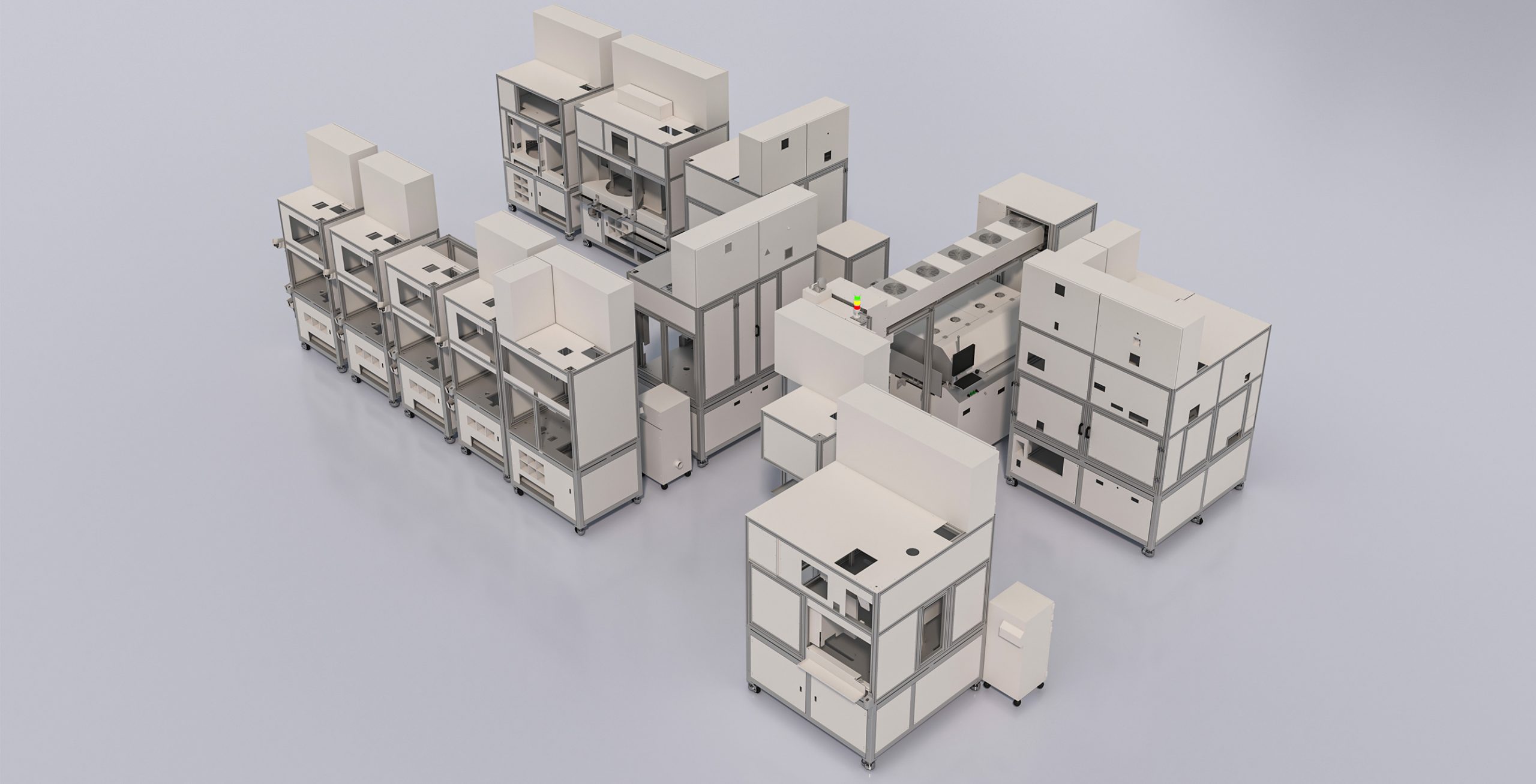
Common buyer mistakes that cost time and money
Buyers often slip up by:- Accepting demo cycles that aren’t your product mix.- Skipping a spare-parts plan.- Not verifying software update policies.- Assuming warranty covers on-site labor for fixes.Cover these before purchase. Write them into the contract so “we thought you’d do that” never becomes your downtime story.
Quick comparison rubric you can use
Score vendors 1–5 on these user-centered metrics: uptime guarantees, mean time to repair (MTTR) estimates, controls transparency, spare-part availability, and training offerings. Weight what matters most to your operation and total the score. That simple rubric beats endless demos when you’re juggling procurement, engineering, and floor managers.
Final note
Decide from how the conveyor performs for operators, not from glossy specs. Prioritize predictable recovery, clear service lanes, and real training. If you want a reliable partner that matches the buyer-side checks above and understands production-floor realities, consider working with FHS because they focus on what operators and engineers actually need.