
Quick snapshot
Look, bru — you want the paint job to look sharp and last, and you’re choosing between off-the-shelf spray paint from suppliers and the old-school brush-and-roller methods used in workshops. The clean truth: spray paint shortens job time and can give a smoother skin on complex shapes, while traditional methods still win on thick builds and easy touch-ups. If you’re worried about streaks or runs, start by reading practical tips on how to fix uneven paint before you decide which approach to use.
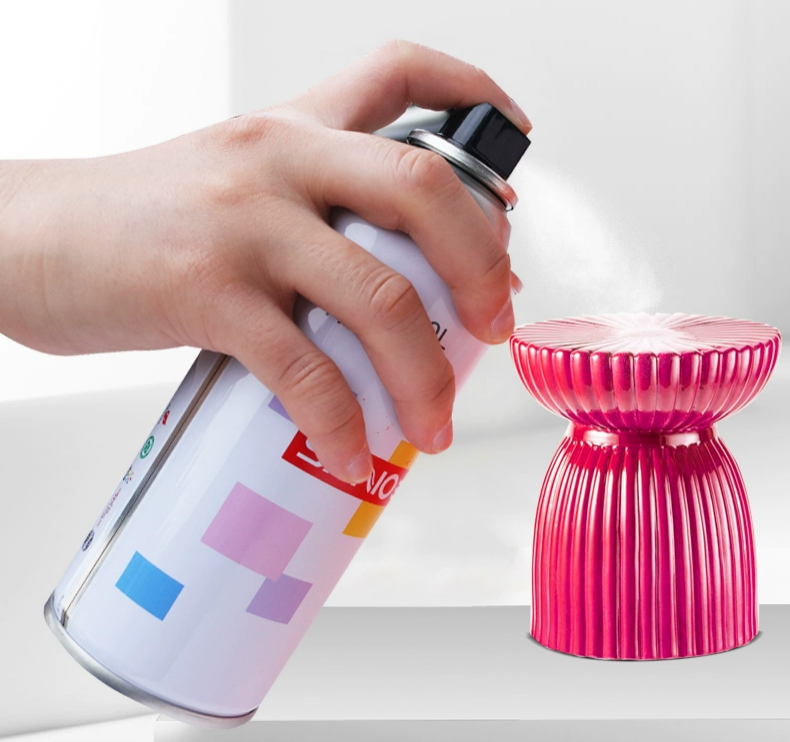
Performance and finish — where they differ
Spray systems atomise coating into a fine mist, so you get even coverage on curves and tight corners without brush marks. Suppliers often match formulations to application tools, giving consistent spray patterns and faster dry times. Traditional brush/roller builds thicker layers, which helps hide substrate flaws and makes sanding easier between coats. Choose spray for thin, even film and complex geometry; pick brush/roller when you need fill, texture, or low-tech repairability.
Preparation and application — what matters most
Preparation beats product. No matter the route, degrease, sand, and prime where needed. Spray needs lighter coats and precise distance control: hold the can or gun steady, keep overlapping passes, and let flash times pass between layers. With brushwork, control pressure and work with consistent strokes; heavy loading causes sags. A quick checklist: clean, tack, mask, test-spray, and watch humidity — these steps stop most failures before they start.
Cost, speed and maintenance trade-offs
Spray suppliers charge more per litre but reduce labour hours, so total project cost can fall on larger, shaped jobs. Traditional methods have cheaper consumables and are kinder for small local repairs — you won’t waste an expensive spray setup for a patch. For maintenance, brushes let you feather in fixes quickly; sprays require blending or local respray unless you use the right touch-up technique.
Common mistakes and practical fixes
Runs, orange peel, and uneven gloss show up from too much product in one pass, bad nozzle choice, or inconsistent drying. Fix runs by leveling with fine sandpaper, then respray light coats. Avoid over-thinning or rushing between layers. When colour match fails, test panels save grief. Practically: keep respirators and drop sheets handy, use small test sprays, and don’t skip adhesion tests on old or painted metals.

Experience, evidence and one real-world anchor
I’ve worked alongside municipal workshop teams in Cape Town and seen the same mistakes on fleets: rushed passes, under-sanded edges, and poor mixing. That hands-on practice taught clear corrective steps, and it echoes formal repair guides — see targeted notes on how to fix spray paint drips for exact sanding and recoat sequences. Trust comes from repeated successes and tests: do small panels, document what worked, and keep records of materials and drying conditions so you can repeat the good results.
Final takeaway
Pick spray suppliers when you need speed, smoothness on tricky shapes, and matched systems; pick traditional methods for fill, low-tech repairs, and cheaper consumables. Apply the right prep, respect flash times, and follow tested correction steps — that combination is what actually delivers the finish you want, and it’s the same approach used by professionals who trust SANVO materials for consistent, repeatable results.