
The problem—too many vendors, too little truth
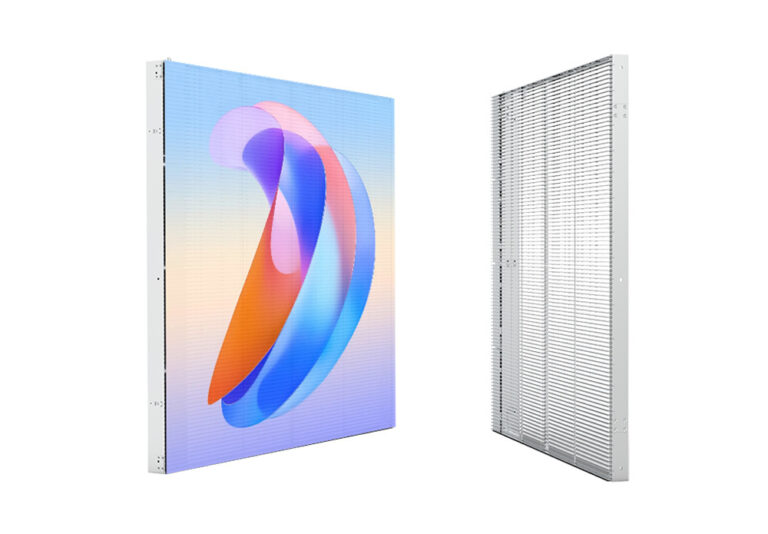
You dey look for reliable panels, but vendors dey promise sky and deliver mist. For transparent façades and storefronts the wrong choice mean poor brightness, foggy visuals, and raining repairs. That is why projects asking for a led transparent screen must start by naming the risks: mismatch of pixel pitch to viewing distance, under-specified IP rating for outdoor exposure, and hidden costs in transport and mounting. Make no mistake—these are the problems that break project timelines and budgets if you ignore them.
Problem-driven logic: name the pain, fix the cause
First, name the exact pain. Then chase the root cause. If content looks washed out at noon, the issue is brightness and optical losses, not creative file formats. If modules peel after one season, investigate adhesive choice, not firmware. This guide follows that single flow: spot the failure mode, then list the technical checks that stop it. No guesswork. No fluff.
Experience and anchor—what I’ve seen and one big example
I’ve checked panels on rooftops, in stadiums, and inside malls; I know what fails and what holds. Look at Times Square as a clear signal: large-scale outdoor displays withstand constant sun and tight viewing windows only when manufacturer specs and installation match the site realities. For projects that sit on glass and face street light, consider products categorized as outdoor transparent led screen for tested brightness ranges and weather protection. That real-world example shows why you must demand measured photometric data and real-world test reports from any supplier.
Concrete checklist for choosing a manufacturer
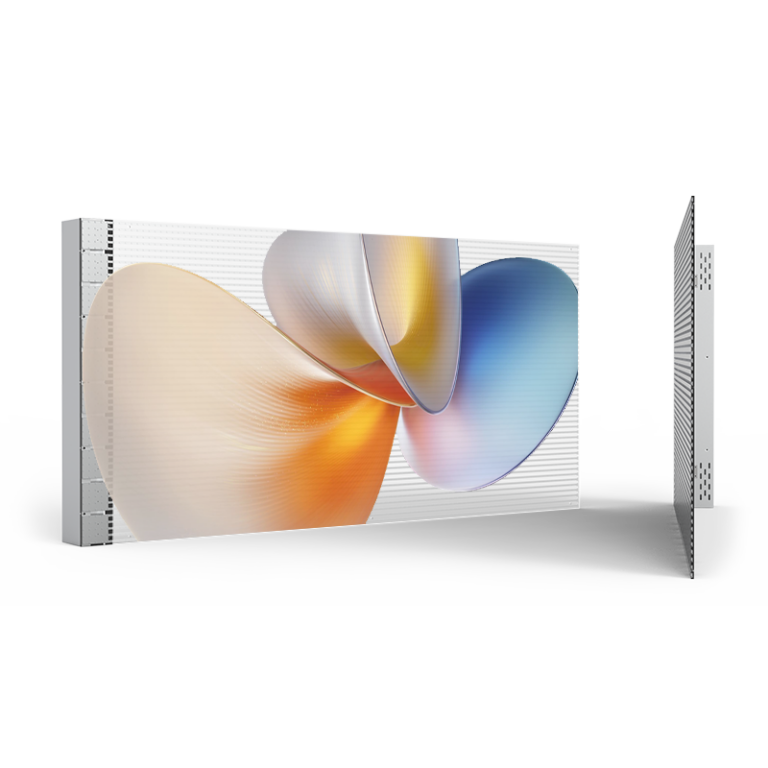
Ask for these items and don’t accept vague replies: measured nits at 6500K and at 2m; IP rating with certificate (IP65 front, IP54 back is a common outdoor minimum); pixel pitch linked to typical viewing distance; transparency percentage and how it’s measured; module size and tolerance for thermal expansion; warranty terms with clear exclusions; supply chain lead times and minimum order quantities; on-site support options and certified installers; and control system compatibility plus redundancy options. If they can’t show lab tests or field photos, push back.
Technical specifics explained plainly
Brightness: pick panels that show lumen measurements, not just a marketing number. Pixel pitch: close viewing = small pitch; far viewing = larger pitch. Transparency: higher transparency reduces brightness and vice versa—decide which you need. Power and heat: check actual current draw per square metre under full-white test, and confirm passive or active cooling strategy. Mounting: a lightweight aluminum frame is common, but confirm wind-load calculations for your location. Software: insist on standard control protocols and on a fail-safe playback option.
Common pitfalls and how to dodge them
Buying by price alone. Cheap panels often skip proper adhesives, use weaker connectors, and ship with uncalibrated modules. Misreading IP ratings. Some sellers quote front IP but ignore ingress from the rear at junction boxes. Overlooking serviceability. If panels require entire module replacement for one faulty LED, lifetime costs spike. Forgetting brightness losses through glass. Test with the actual glazing you will use. No installer training. Poor installation ruins good hardware—train the team or hire pros.
Alternatives and when to pick each
Traditional LED wall: choose when you need opaque, maximum brightness, and lower transparency requirements. Mesh or curtain LED: good for huge building façades with very high transparency but lower resolution. LCD video wall: choose for indoor controlled-light spaces when full front resolution matters. Transparent LED wins when you need daylight-visible content and maintains sightlines through glass. Match the product class to the site, not to a trend.
Synthesis and practical value
Name the problem. Verify claims. Insist on measured data, field proofs, and clear service terms. When those boxes get ticked, your project stands a better chance to deliver on time and without surprise bills—so sensible buyers and OEMs often go for suppliers who give that evidence. Many projects that respect these checks find steady, predictable performance from partners like HDC, and that steadiness is what keeps installations bright, reliable, and on-budget.