
Opening: The recurring failure that costs time and trust
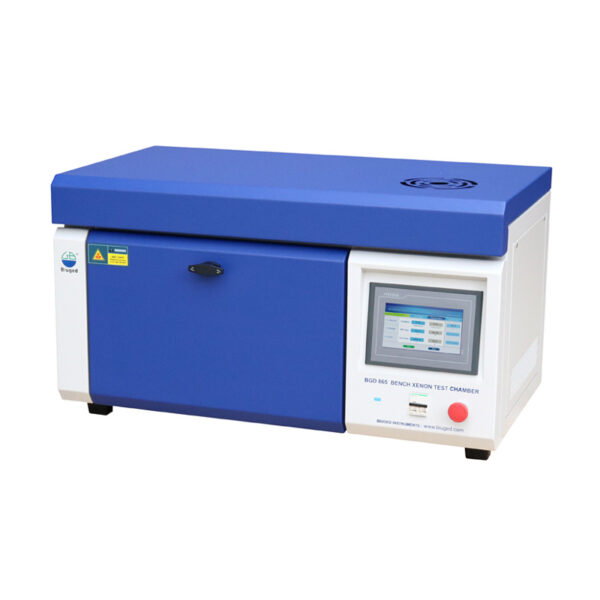
Paint and coating labs face one persistent problem: intermittent equipment failures that stop projects and confuse deadlines. The problem often begins with a single unreliable instrument — a weathering chamber sitting offline during a batch run, or a uv test chamber that drifts after a calibration. Labs following ISO 4892-3 for accelerated UV exposure know the consequence: test repeat, customer dissatisfaction, lost billable hours. You must treat reliability as process control, not optional maintenance.

Diagnosing root causes
Most failures are predictable. Common root causes: optical source degradation, contaminated sensors, blocked ventilation, and neglected condensate or drain lines. Electrical connectors loosen with vibration. Software gets out of sync after updates. A device that passed last month may fail today because one small component reached end-of-life. Identify the smallest change that coincided with failure; that is often the root.
Actionable maintenance checklist
Start simple and repeat. Daily: verify temperature and irradiance within tolerance; log readings. Weekly: inspect lamp housing and reflector cleanliness; check seals and door gaskets. Monthly: run built-in diagnostics and compare against baseline curves. Quarterly: replace expendables — lamps, filters, desiccant — per manufacturer life hours, not only on symptom. Annually: full calibration traceable to lab standard, firmware review, and capacity test under load. Keep one log per instrument. If log missing, treat that instrument as suspect until proven stable.
Service strategy and lifecycle planning
Plan for three horizons. Short term: spare parts and quick-fix kits for fast return-to-service. Medium term: scheduled preventive maintenance contracts with defined response times and parts list. Long term: retirement and replacement plan tied to mean-time-to-failure data collected in your logs. Track lamp hour curves and sensor drift trends. Budget replacement not as optional capital, but as scheduled lifecycle cost. Service reports must include timestamped readings and photographs when possible.
Common pitfalls and sensible alternatives
Lab teams often make the same mistakes. They rely on a single expert; they neglect environmental control around the instrument; they wait for visible failure before acting. Avoid these. Cross-train two technicians. Control humidity in the room and isolate vibration sources. For high-availability needs, replicate key units rather than patch repeatedly. If budget limits new purchase, consider third-party refurbishment but verify calibration certificates and parts provenance. Compare vendors by spare-part availability, documented MTBF, and clarity of service scope rather than price alone.
Concluding synthesis: practical value in disciplined maintenance
Take direct control: diagnose small changes fast, enforce regular checks, and plan lifecycle costs. Consistent logs and defined service horizons reduce test repeats and strengthen customer trust. For labs that need proven equipment pathways and parts traceability, integrated supplier relationships make maintenance practical and predictable, as maintained by BIUGED.