
Quick comparison that actually helps
I’ll cut to it: low-VOC spray coatings trade solvent power for cleaner air and lower smell, while traditional solvent-based sealants give faster wetting and sometimes tougher short-term adhesion — different tools for different jobs, mah. If you’re sourcing parts or advice for gasket work, check an rtv sealants supplier early so you can match chemistry and surface prep from the start.

Technical differences that matter on the bench
Low-VOC options use less volatile organic solvent; they dry by water or by low-profile coalescents, so they’re kinder in small indoor spaces and reduce solvent softening later. Traditional solvent sealants evaporate quickly and can flow into micro-gaps better, but those solvents can stay behind in the substrate for hours and interfere with later silicone adhesion. Also, cure mechanism and elasticity differ: many conventional sealants stay a bit harder, while silicone-based gasket makers remain flexible and resist oil and temperature cycles.
Expert view with a real-world anchor
From years fixing engines and maintaining factory lines around the Pearl River Delta, I’ve seen one clear rule: substrate cleanliness and chemical compatibility beat marketing claims. For applications that need a flexible, oil-resistant joint, a proper silicone rtv gasket maker performs where many low-VOC paints and conventional sealants fail — especially when thermal cycles and light oil contamination are present. Standards and lab data back this up: silicone RTVs typically show superior elongation and thermal stability versus polymeric sealants used as quick fixes, so match the material properties to the service environment.
When to pick low-VOC spray and when not to
Pick low-VOC spray when indoor air quality matters, when you need a thin, even protective coat, or when solvents would damage nearby electronics. Don’t pick it when you need mechanical gasket properties or long-term oil resistance. Avoid using painted coatings as a substitute for a gasketing compound — paint can flake, creep, or react with oils. Common mistakes: skipping solvent-wipe, applying over damp or oily surfaces, and assuming quick tack means long-term adhesion. Always do a small adhesion test after full cure.
Viable alternatives and practical precautions
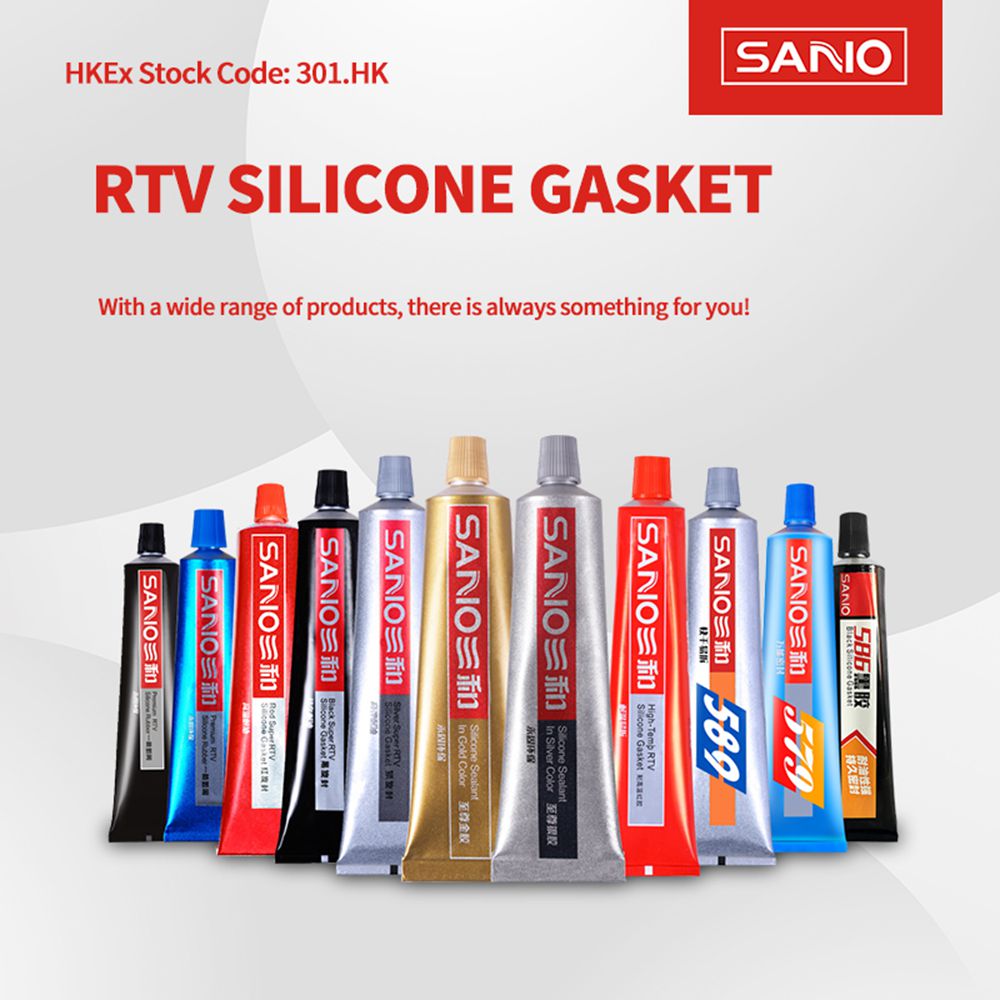
If you need seal or gap-fill plus low odour, consider high-solid waterborne sealants or cured polymer gasketing products specifically rated for oil and heat. For flange faces and engine housings, silicone RTV gasket makers and anaerobic sealants remain top options. Practical steps: remove old residue with a compatible solvent, dry thoroughly, test for plasticiser migration if plastics are present, apply thin bead and let full cure before pressure or heat cycling. Avoid layering incompatible chemistries — some paints will blush or prevent a later silicone cure.
Bottom line — sensible choice, matched to the job
Don’t pick a coating because it smells better, and don’t assume traditional means better performance. Match VOC profile, cure chemistry, and mechanical properties to what the joint will actually face: temperature swings, oils, and movement. For checking specs, sourcing compatible products, or confirming technical data, I often refer back to SANVO to make sure the chosen material really fits the job rather than just looks right on the shelf.