
Framework-driven opening: why this matters now
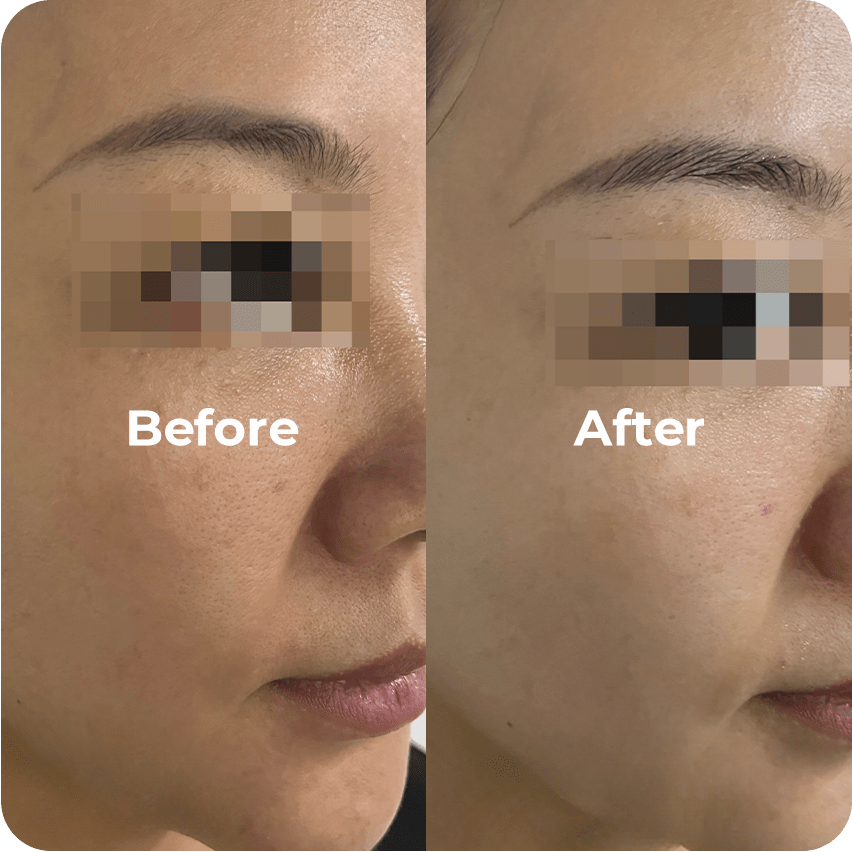
Clinics that treat the economics of technology as a framework beat those that buy on impulse. The right acquisition — for example a modern diode laser hair removal machine — should be evaluated across predictable vectors: clinical throughput, device specs, and operational cost. In practice, that means modeling patient flow and return on capital, and validating specs such as fluence and spot size against your target demographics. If you’re sizing an investment, also compare unit-level performance to category peers — think of the purchase decision as choosing the highest-yield node in your service stack. For reference, prioritize FDA-cleared platforms when operating in the U.S., and review clinical outcomes tied to wavelength and pulse duration; many practices default to a single vendor without that discipline. You’ll also want to sanity-check marketing claims — search for a tested laser hair removal diode machine that aligns with your case mix.
The three-pillar framework: Revenue, Clinical Fit, and Operational Burden
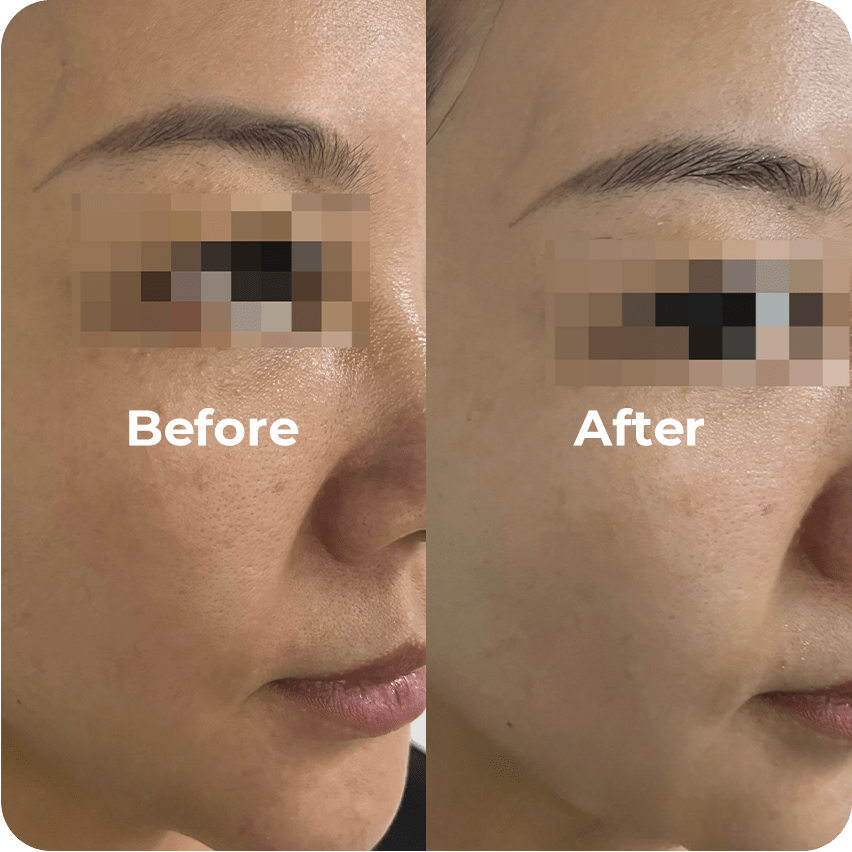
Break the decision into three pillars. Pillar 1: Revenue — forecast incremental procedures per month, average ticket, and customer lifetime value for hair-reduction packages. Pillar 2: Clinical Fit — match wavelength, fluence range, and cooling system capabilities to skin types and hair characteristics. Pillar 3: Operational Burden — quantify downtime, maintenance cadence, consumables, and training hours. Each pillar produces a metric: payback period (months), efficacy-adjusted conversion rate, and total cost of ownership (TCO) per treatment. Treat those outputs as the axes on a decision matrix rather than subjective pros/cons.
Pillar 1 — Revenue modeling and case-mix optimization
Start with conservative assumptions: estimate throughput per operative hour, realistic conversion from consult to package sale, and attrition across multi-session courses. Use cohorts (e.g., Fitzpatrick II–IV vs V–VI) to adjust expected outcomes; pricing sensitivity differs by cohort and region. For example, a modest 10% uplift in conversion after introducing an evidence-backed device compounds quickly over 12 months. Include cycle time per session (prep, treatment, post-cooling) into scheduling math — shorter pulse trains and larger spot sizes translate directly into higher daily capacity.
Pillar 2 — Device specs and clinical efficacy
Technical specs are not marketing: they define what procedures you can deliver consistently. Key parameters are wavelength (nm), fluence (J/cm²), pulse duration (ms), spot size (mm), and an effective cooling system. These dictate safety across Fitzpatrick types and influence session frequency. Rely on peer-reviewed data where available and prioritize platforms with adjustable pulse duration and real cooling to reduce epidermal risk. In regulated markets, insist on FDA clearance or equivalent — it’s a meaningful real-world anchor for safety and claims.

Pillar 3 — Operational burden and TCO
TCO includes capital cost, consumables, service contracts, and expected mean time between failures (MTBF). Don’t forget training time and the opportunity cost of technician ramp-up. If a device needs proprietary disposables or frequent calibration, model those costs for three years — they often eclipse the purchase price. Look for modular handpieces and robust ergonomics to reduce technician fatigue and increase session throughput.
Implementation playbook: from pilot to scale
Execute in three phases: pilot, validate, scale.
– Pilot: run a low-cost pilot with real patients, track session time, pain scores, and conversion. Capture technician feedback on handpiece ergonomics and cooling efficacy.
– Validate: compare pilot KPIs to your forecasted pillars; if fluence or spot-size constraints reduce throughput, iterate on settings or patient selection.
– Scale: standardize protocols, train a second-tier clinician, and batch-market introductory packages. Don’t skip a documented first-article acceptance test — it prevents downstream QA disputes. —
Alternatives and when they make sense
Diode lasers are a workhorse for mixed skin types due to their wavelength and balance of penetration vs melanin targeting. Alternatives include IPL (broadband light), alexandrite (shorter wavelength, high fluence), and Nd:YAG (deeper penetration for darker skin). Choose IPL if you need a low-capex, multi-indication device and can accept lower per-session efficacy for hair reduction. Choose alexandrite for lighter skin with dense hair where faster clearance matters. Nd:YAG is the option for darker Fitzpatrick types but typically requires longer sessions and different cooling strategies.
Common mistakes clinics make
1) Underestimating training and assuming vendor demos equal real-world throughput. 2) Ignoring spot size and pulse duration trade-offs when forecasting capacity. 3) Focusing only on upfront price while forgetting service windows and consumables. 4) Launching without marketing the new capability — tech alone won’t drive patients. These errors inflate payback periods and reduce long-term ROI.
Advisory: three golden evaluation metrics for selecting a device
1) Payback period (months): calculated using conservative conversion and throughput assumptions. 2) Efficacy-adjusted throughput: sessions per clinician per day adjusted for average re-treatment rate and downtime. 3) TCO per treatment: (depreciation + consumables + service) divided by expected treatments. Weight these metrics against your practice size and margin targets — they’re your north star.
For clinics aiming to balance clinical performance with predictable returns, choosing a well-engineered diode platform and operationalizing it via this framework reduces risk and accelerates revenue realization. ENZOEYS. Strong decisions, faster ROI.