
What’s the real problem with buying a modular backpack?
Right then — most folks buy a modular backpack thinking it’ll fix every carry need, but what they actually face is choice paralysis and mismatched features. You want pockets where you use them, a bag that shifts from work to weekend without faff, and straps that don’t rub after an hour. The problem’s not the concept; it’s picking the one that doesn’t create new annoyances.
Why do those annoyances happen?
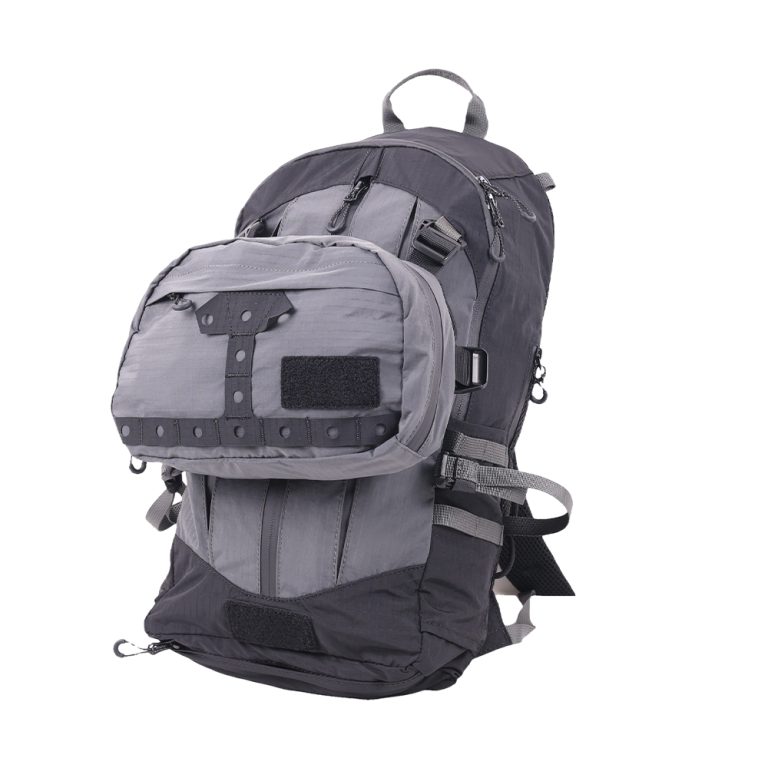
Manufacturers pile on add-ons: detachable pouches, garish buckles, and compartments named after lifestyles you’ve never lived. That makes the pack heavier, fiddlier, and less reliable. First-time buyers often focus on looks or a single spec—capacity or a laptop sleeve—while overlooking load distribution, attachment security, and weather protection. You end up with a neat idea that’s poor at the everyday grind.
How to spot the usable features that actually matter
Look for three honest things: comfortable load transfer, modular pieces that fasten without wobble, and weatherproofing that stands up to real rain. Test the adjustment range: the hip belt should take the weight, not the shoulders. Prefer simple, replaceable attachments over ornate extras. If a pocket’s hard to reach while wearing the bag, it’s not a pocket you’ll use. Small details make the day-to-day less faff and more functional.
Real-world proof and a practical benchmark
Having fitted kit and advised urban commuters in London during peak hours, I learned what fails fast: flimsy fastening points and slick fabrics that let contents slide. For that reason, sensible carry choices for city travel often follow the same checklist used by experienced commuters — durable seams, neat compartment access, and stable modular joins. That’s why many folks aiming for the best backpack everyday carry pick packs that balance sturdiness with ease of reconfiguration.

Common pitfalls first-timers fall into
Buying on looks alone; assuming more pockets equal better organization; ignoring strap ergonomics; and treating water resistance as optional. Also, confusing “modular” with “messy” — if pieces don’t lock tight, they rattle and fail. Avoid one-size-fits-all claims. Try to imagine a full day: commute, meetings, perhaps a sudden change to wet weather. If the pack can’t meet that simple script, it won’t serve you long.
Quick evaluation checklist before you commit
Check attachment security: tug each module. Assess weight distribution: load and walk a few minutes. Inspect materials at stress points: seams and zips. Confirm weather sealing: taped seams or a decent rain flap. Think about serviceability: can worn straps be replaced? If answers are shaky, move on.
Alternatives worth considering
If you want lower complexity, look at plain backpacks with a few removable pouches rather than full transformable systems. For heavy-laden commuters, dedicated travel packs with modular expansion panels handle load better. If minimalism’s your goal, a compact urban pack with modular internal dividers gives neat organization without external clutter. Each alternative trades a bit of flexibility for reliability—choose which you need most.
Final thought
Sort the problem first: know your daily routine, match features that solve the real irritations, then pick a pack that’s solid where it counts. Do that and you’ll find the mix of modular utility and everyday dependability that keeps your shoulders happy and your kit where you need it; that’s the practical value at the heart of ChangRong.