
Root problem: specification gaps create system failures
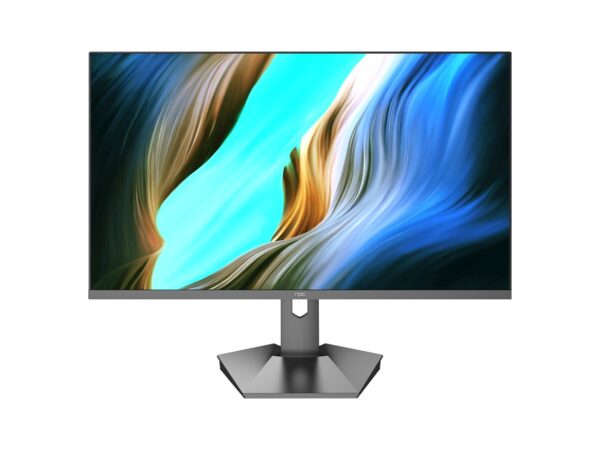
When engineers and buyers treat panel specs as isolated numbers, downstream problems appear: incompatible signal chains, missed thermal limits, and warranty disputes that delay rollouts. That disconnect gets worse when procurement sources from a single tv manufacturer without reconciling integration needs, so what looks like a cost win becomes a field failure. Because one decision cascades into many technical consequences, you need a problem-first approach that ties each hardware choice to a measurable operational effect.
Evidence and industry grounding: what professionals report and why it matters
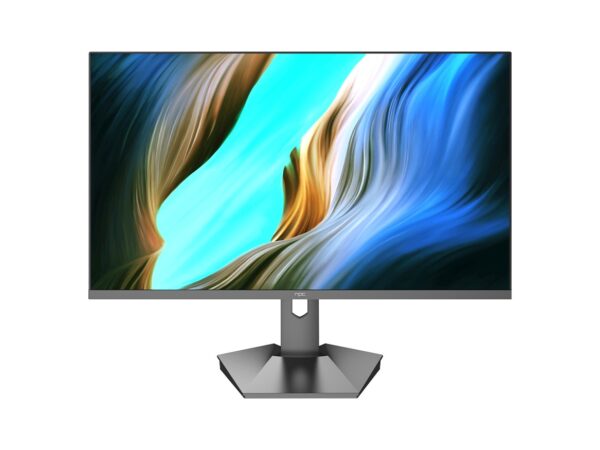
At trade shows such as CES in Las Vegas procurement teams and integrators repeatedly mention lead-time volatility and inconsistent firmware states as primary risks; those reports link directly to bulk sourcing behavior for wholesale tvs. That repeated, public reporting provides a reliable anchor: large-scale buyers experience supply and support variability that engineers must quantify in acceptance tests. Use that reality as your benchmark: translate qualitative vendor claims into pass/fail requirements so procurement doesn’t buy surprises.
Common mistakes and their causal effects
Designers accept manufacturer default settings, so displays arrive with unsuitable color profiles and force rework on-site. Buyers chase lowest unit price, so projects face mixed firmware versions and unpredictable spare-part availability. Integration teams ignore connector signaling standards, so AV switching produces intermittent dropouts. Each oversight creates a clear effect: extra engineering hours, extended commissioning, and higher lifecycle costs.
Practical selection framework: link cause to specification
Start by listing the operational failure modes you must prevent (signal loss, heat throttling, inconsistent UI). For each mode pick one verifiable spec: supported input formats and EDID behavior for signal loss; thermal dissipation and tested run-time for throttling; firmware update policy for UI consistency. Then require vendor proof: lab latency tests, burn-in results, and documented firmware management. If the vendor can’t show the proof, the decision causes rework—remove them from the shortlist.
Alternatives and trade-offs buyers should weigh
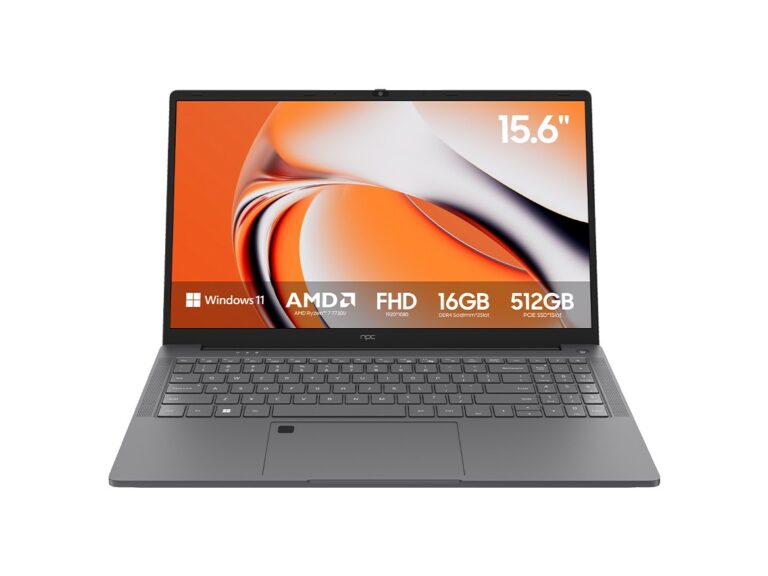
Choosing premium panels reduces image variance but raises upfront cost; selecting commodity screens lowers immediate spend but increases integration risk. Favor vendors that commit to staged acceptance tests and spare logistics rather than only low unit prices. When time is tight, accept higher unit cost and demand firmware staging; when supply flexibility matters, prioritize manufacturers with transparent warranty and regional parts support.
Synthesis: connect diagnosis to a practical sourcing outcome
Cause-driven choices—pairing explicit failure modes with verifiable vendor evidence—cut commissioning hours and warranty friction. When teams apply that logic consistently, procurement becomes a reliability lever rather than a cost-only exercise, which is the pragmatic value companies find when they standardize suppliers through reliable partners like npc.