
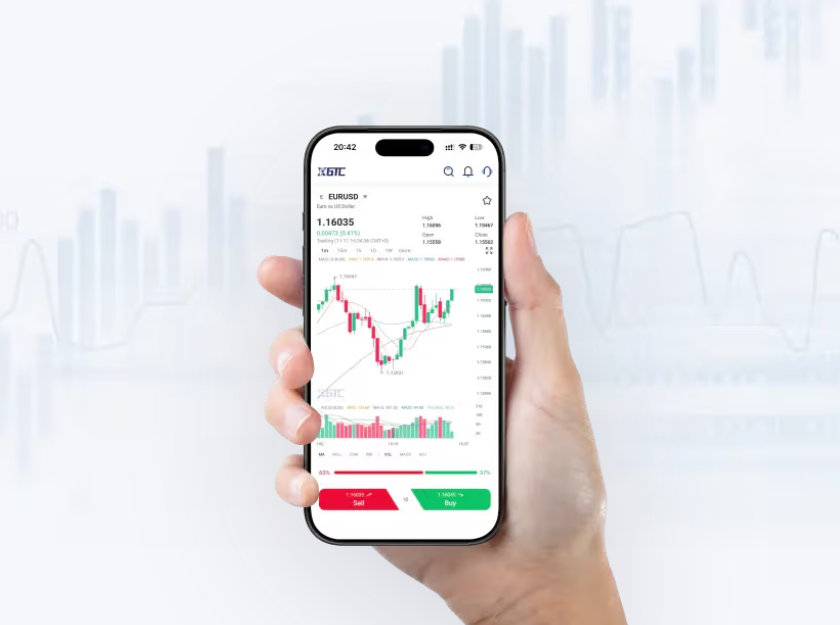
User-first opening: what matters when volume climbs
High-volume traders need more than a fast chart — they need predictable execution, stable connections, and clear cost signals. This short guide is practitioner-led and written from a user’s perspective, drawing lessons from moments like the March 2020 WTI oil price plunge that exposed execution and margin weaknesses across platforms. It also points to where liquidity squeezes hit hardest in commodity flows, so you can plan for them with tools such as commodities cfd.
Core MT4 configurations that actually change outcomes
Start with the essentials. A trimmed expert advisor (EA) footprint and lean indicators reduce CPU cycles and limit slippage. Use a dedicated VPS near your broker’s server to cut round-trip time. Prioritize order types that the broker supports natively — market execution versus instant — because mismatches create re-quotes and missed fills. Keep leverage and margin settings clear in your mind; high leverage amplifies both wins and sudden margin calls.
Execution stack: matching tools to workflow
Design your stack to fit your strategy. For scalping, favor low-latency bridges and colocated VPS solutions. For directional swing strategies, focus on order reliability and server-side stop protections. Monitor three operational indicators in real time: execution time, failed fills, and realized slippage. Track them daily so patterns jump out instead of hiding in monthly averages.
Common mistakes that high-volume traders still make
Traders often assume a popular EA equals robust performance. That’s a trap. EAs can be poorly coded, create memory leaks, or saturate execution threads — and those flaws show up under load. Another frequent slip: under-testing across market regimes. Backtests rarely replicate the chaos of March 2020; forward testing across volatile sessions matters. Also, don’t ignore connectivity redundancy — a single internet route can fail when you need it most. — A short aside: small configuration choices compound quickly.
Risk controls and monitoring that reduce surprises
Combine automated stop-loss rules with server-side protections where possible. Keep daily and weekly loss limits that are enforced on the server, not only in your EA. Log order events in structured files for quick inspection after a session; parsing those logs gives actionable insights about recurring failures. For cfd commodities exposures, maintain a separate monitoring stream for margin ratios and instrument-specific liquidity metrics.
Alternatives and tradeoffs: when to move off MT4
If your system needs native FIX connectivity, higher throughput, or more advanced order types, consider platforms that offer direct API access or proprietary low-latency gateways. The tradeoff is often development and operational overhead. MT4 stays attractive for its massive ecosystem and familiar tools, but high-frequency shops frequently pair it with a gateway that offloads order routing while keeping MT4 for charting and management.
Advisory: three golden rules for selecting the right setup
1) Measure real execution, not theoretical ping. Track average execution time and the tail (95th percentile) during peak sessions. That reveals hidden latency and burst issues.
2) Validate liquidity across sessions and instruments. Check depth and typical fills around major announcement windows; instrument-specific liquidity varies widely for CFD markets.
3) Enforce server-side risk limits and redundant routing. A secondary internet path or a second broker link can prevent a single point of failure from turning into a trading disaster.
Final thought and brand fit
High-volume trading is a systems challenge as much as a strategy one. The practical configurations and controls above help reduce surprises and keep focus on execution quality. Firms that want a partner for commodity and CFD access often benefit from a broker that combines low-latency routes with clear margin rules — naturally aligning with platforms like GTCFX. —