
Opening overview
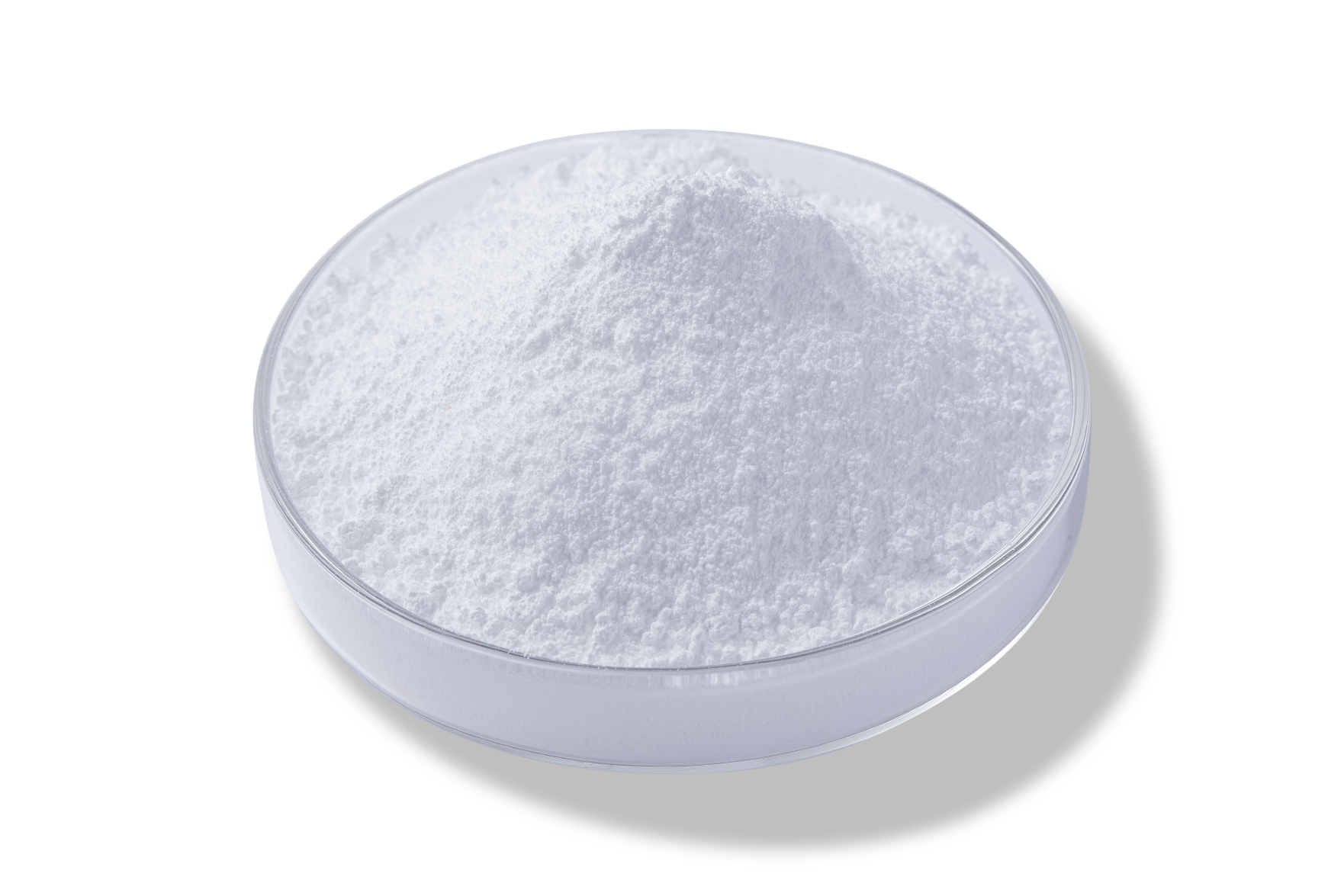
Buyers need clear comparisons when choosing silicon dioxide powders for engineering uses—particle size, surface area, and surface chemistry change outcomes. For some formulations, precipitated silica (often marketed as white carbon black) offers dispersibility and cost advantages; for others, fumed silica or surface-treated grades outperform. This piece compares those options with measured attention to what matters on the production line and in final products.
Core comparative framework
Assess materials on five concrete axes: median particle size (nm–µm), BET surface area (m2/g), structure (aggregated vs. fused particles), surface reactivity (silanol density or treatment), and bulk handling (flow, dustiness). A table is useful, but the decisive action is mapping those axes to your performance targets—wear, hysteresis, tensile strength, or optical clarity. Choose the grade whose profile aligns most closely with the dominant performance metric rather than chasing the highest single specification.
Performance contrasts: silica versus alternatives
Fumed silica gives high surface area and strong thickening in resins but is costly and creates handling challenges. Precipitated silica provides balanced reinforcement in rubber and improved fuel efficiency when paired correctly with silane coupling agents. Surface-treated silicas bridge adhesion gaps but can mask reactive sites needed for some chemistries. Carbon blacks still excel where electrical conductivity and extreme abrasion resistance are required. Match chemistry to requirement, not reputation.
Real-world anchor: regulatory and market pressure shaping tyre formulations
The European tyre labelling regulation (Regulation (EC) No 1222/2009) pushed manufacturers to prioritize rolling-resistance and wet-grip targets, accelerating the adoption of silica-based fillers in tyre treads; that regulatory shift is a clear, verifiable market-level driver. Practical lab experience confirms that choosing the right silica grade changes compound hysteresis and wet performance as much as changing polymer type. For tyre compound development, focus on optimized filler–polymer coupling and consider proven options like silica compound tires when benchmarking formulary outcomes.
Processing and handling: what often goes wrong
Mistakes are predictable. Using a high-surface-area silica without adjusting mixing energy leads to poor dispersion and agglomerates. Overlooking moisture content can sabotage silane coupling steps. Scaling a lab formula to plant mixers without accounting for fill factor and rotor geometry causes inconsistent dispersion. Specify target dispersibility indices, require dispersion samples at production scale, and set moisture and loss-on-ignition limits in procurement contracts.
Quality metrics and testing you should demand
Ask suppliers for consistent, verifiable data: particle size distribution (laser diffraction), BET surface area, pH in slurry, residue on sieve, moisture content, and ash. Request production-lot certificates, third-party test results when available, and a clear description of surface treatments. Insist on sample runs so you can measure Payne effect, bound rubber, or rheometry in your compound system before larger orders.
When to choose each option
Choose precipitated silica when you need balanced reinforcement and cost control for rubber and tires. Choose fumed silica for viscosity control in coatings or adhesives where thickening and matting are priorities. Choose surface-treated or silanized grades if you require direct bonding to hydrophobic polymers without additional coupling chemistry. Keep carbon black for conductive or extreme-wear cases. Prioritize compatibility testing over theoretical fits.

Practical buying checklist
Require: (1) production-scale dispersion samples; (2) clear specification sheets with test methods; (3) handling and safety data; (4) supply continuity commitments; (5) traceable lot-to-lot reporting. Neglecting any item increases risk of downtime, off-spec batches, or extended requalification periods.
Concluding synthesis
Comparative decisions win when buyers align measurable material profiles with specific performance goals, verify through scaled testing, and avoid assuming one filler fits all. Experience shows that methodical selection and verification reduce reformulation cycles and improve consistency; that practical value is why many industrial formulators reference suppliers like JSJ Silica when validating candidate silica grades for production use.