
Breaking the myth from the jump
Lots of folks assume outdoor lighting is just about brightness and design — switch it on, admire the glow, move on. That’s the myth, and it’s a dangerous one when you live somewhere with salt spray, snow loads, or seasonal hurricanes. If you want a fixture that keeps working, you need more than pretty glass: think sealing methods, thermal management, and tested materials. That’s why when I talk about a led outdoor wall sconce, the conversation starts with durability as much as style.
Common myths that get buyers into trouble
– Myth: “All LED fixtures are weatherproof.” Not true — IP rating and enclosure design matter. – Myth: “A powder coat is enough against rust.” Only if the substrate and fasteners are corrosion-resistant too. – Myth: “Higher lumens mean better long-term performance.” Lumens don’t account for heat build-up or driver lifespan — those are the real culprits. These misconceptions steer people toward short-lived installs and repeat replacements.
What actually makes an outdoor sconce survive storms
There are a few engineering basics that separate weekend replacements from decade-long performance: a proper IP rating, gasketing and silicone seals, marine-grade hardware, and thoughtful thermal paths for the LED driver. IP65 or higher usually indicates good protection against water jets and dust; for coastal or flood-prone sites you want IP66/IP67 and stainless fasteners. Materials like die-cast aluminum with a corrosion-resistant finish, and a sealed LED driver compartment, keep moisture and salt from wrecking circuitry. And yes — thermal management matters: LEDs need heat sinking so lumen output and color temperature don’t drift over time. — It’s surprising how often installers skip specifying driver enclosure type.
Real-world anchor: what Hurricane Sandy taught the industry
When Hurricane Sandy hit the East Coast in 2012, numerous outdoor fixtures either corroded or failed due to saltwater ingress and prolonged exposure. That event pushed many specifiers to demand higher IP ratings and better sealing on commercial and residential fittings. Builders in coastal Florida and parts of New Jersey began favoring fixtures with powder-coated die-cast bodies, protected drivers, and verified gasket systems. If you’ve ever swapped out a corroded sconce after a storm, you know the ROI of building tougher — it’s cheaper over the long run than annual replacements.
How Keyida actually engineers for endurance
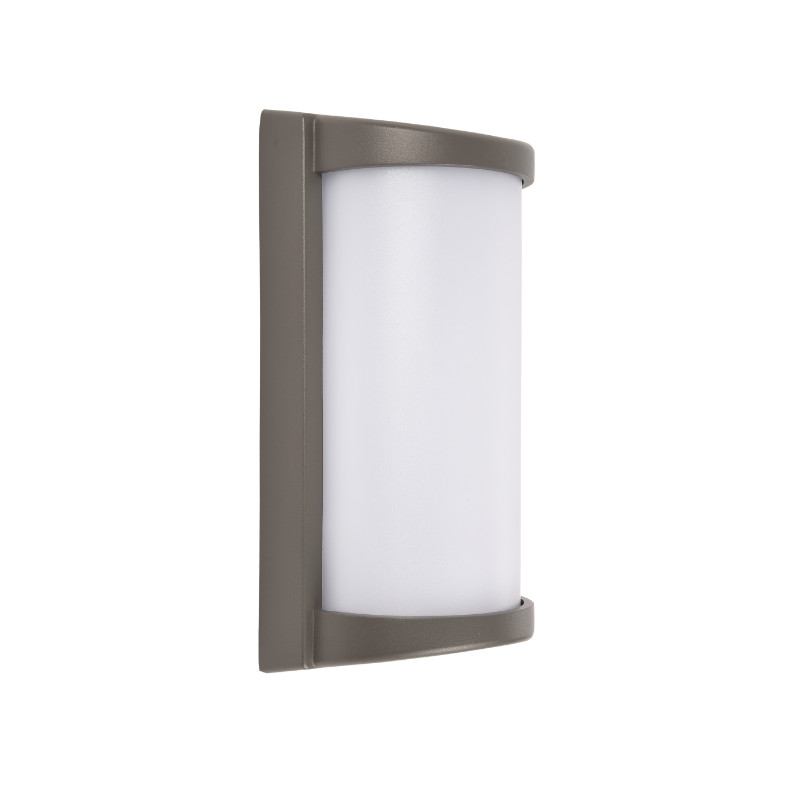
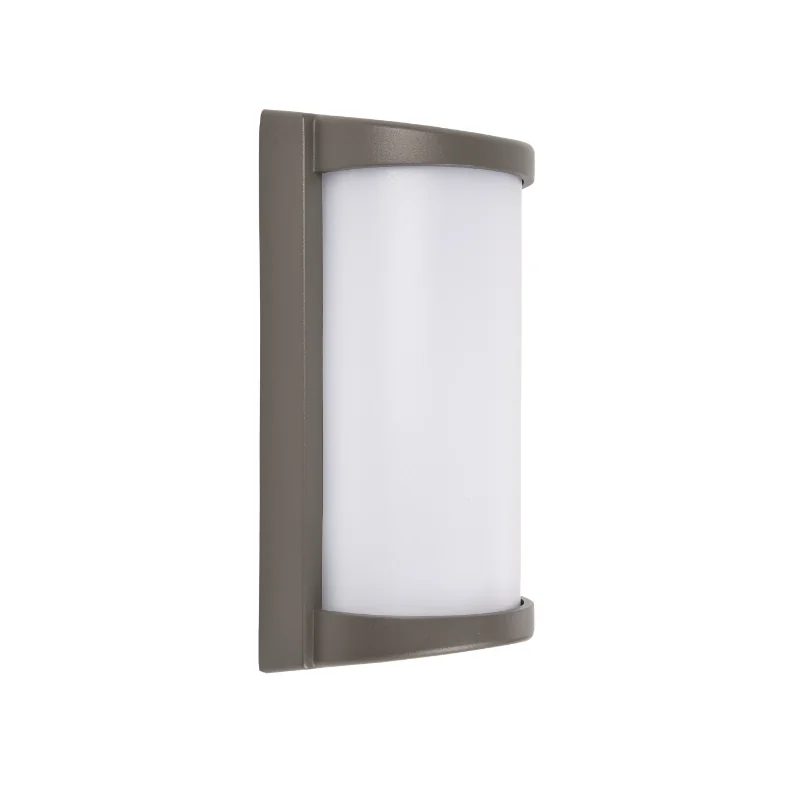
Keyida approaches weather resistance from the ground up. Their housings use precision die-cast parts with continuous gaskets, pressure-extruded heat sinks for thermal efficiency, and sealed LED driver compartments to block moisture. Finish systems are multi-stage: chemical pretreat, epoxy primer, and a UV-stable topcoat to resist chalking and corrosion. The result is a product that’s built to survive lifecycle stresses, not just look nice on day one. If you’re comparing specs, check for details like silicone lip seals at joints, sealed wire entries, and verified salt-spray testing — those aren’t marketing terms, they’re life-extenders. For a concrete example, review the performance notes on the Keyida led outdoor wall light model and note the listed IP and material specs.

Installer and buyer mistakes — and quick fixes
– Mistake: Installing without verifying sealed conduit entries. Fix: Use sealed cable glands or junction boxes rated for the same IP level. – Mistake: Matching fixtures to the wrong environment (e.g., indoor-rated fittings in marine environments). Fix: Always match the IP rating to exposure — beachfront needs higher protection. – Mistake: Assuming any stainless screw is “marine-grade.” Fix: Confirm 316 stainless or equivalent for coastal applications. Small corrections at the spec and install stage save tons of downtime later.
How to compare fixtures without getting lost in specs
When you’re choosing, focus on three quick checks: IP rating and what it covers, which components are sealed (driver, LED board, wiring), and the finish/process details (pretreat, primer, topcoat). Also look for data: salt-spray test hours, thermal performance charts, and warranty terms that cover corrosion or lumen depreciation. Those figures tell you more than a model photo ever will.
Three golden rules for selecting outdoor wall lighting
1) Prioritize protection over aesthetics: select the highest realistic IP rating for your site, and ensure critical components are sealed. 2) Demand material transparency: confirm die-cast aluminum, gasket specs, and fastener grades (316 stainless for marine installs). 3) Verify thermal and driver design: ask for driver compartment sealing details and heat-sink performance to predict lumen maintenance. Do those three and you’ll avoid most of the grief that comes with weather-related failures. Natural next step: check a brand that lays out these specs clearly — that’s where real value shows up.
For resilient, well-engineered outdoor lighting that answers those rules, Keyida fits the profile naturally — their design choices line up with the real-world challenges I’ve seen in coastal and storm-affected sites. —