
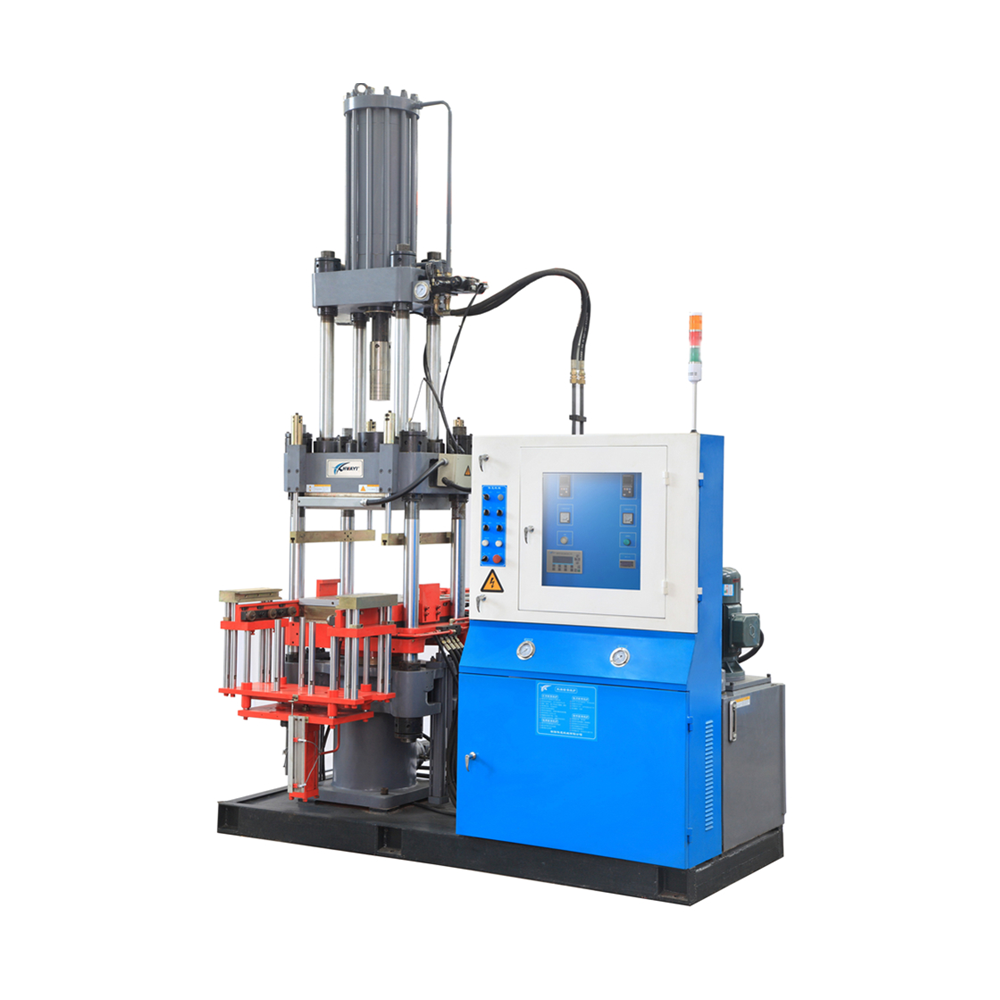
Comparative snapshot: two paths to uniform vulcanization
When you stack two approaches side-by-side — conventional single-zone heating versus multi-zone thermal control — the differences are immediate and practical. The former risks uneven crosslinking and long cure times in thick-walled sections; the latter uses targeted heating, active cooling and sensor feedback to equalize the temperature gradient across the mould cavity. Modern C-frame rubber injection moulding machines pair precision motion with smarter thermal profiles, and the smart choice is often a rubber vulcanizing machine that supports multi-zone control and injection moulding logic.
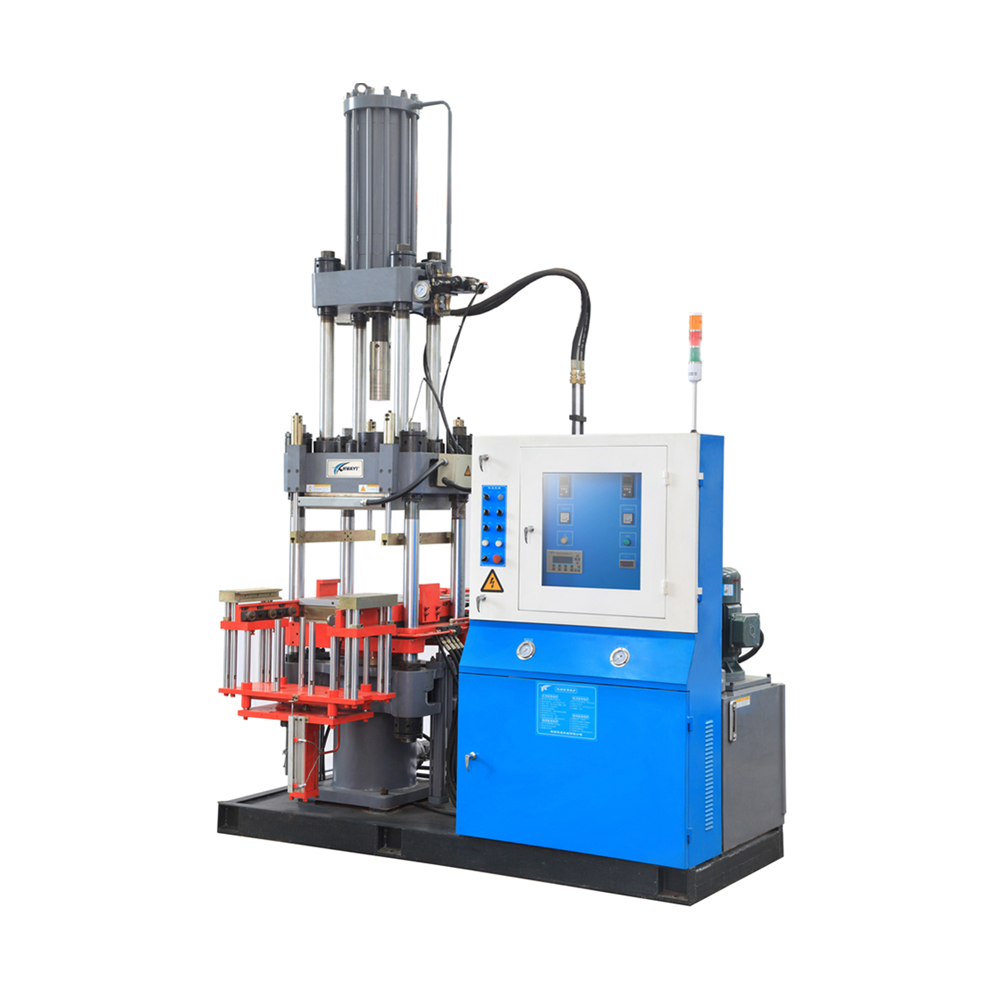
Design levers that matter most
Successful balance of temperature gradients starts with mould design. Hot-runner placement, baffle geometry and cavity thickness determine where heat accumulates or leaks. Add dedicated heating pads and segmented thermal zones and you control the cure front. In practice, engineers tune mould cavity surfaces and adjust thermal conductivity paths to guide vulcanization evenly. These moves cut down on overcure at thin sections and undercure inside the core, improving first-pass yield and reducing scrap.
Process control: sensor-driven versus time-driven curing
Time-driven cycles assume uniform heat transfer — but thick-walled parts rarely cooperate. Sensor-driven strategies use embedded thermocouples and infrared monitoring to follow the cure in real time and adapt pressure, platen temperature and cure time. That means active control of the thermal profile and, importantly, control of the temperature gradient that causes internal stresses. This approach shortens cycle time while protecting part integrity — and it leverages familiar terms from the field like curing, crosslinking and thermal profile.
Comparing energy paths and cycle economics
On the numbers, multi-zone systems often show higher upfront cost but lower per-part energy and rework expenses. Carefully routed heating and local cooling reduce waste heat and lower total energy per cycle. Operationally, fewer rejects and less hand finishing translate to measurable savings at scale — especially in production hubs like Shenzhen and the greater Guangdong manufacturing region, where tooling throughput drives competitiveness. The trade-offs are clear: invest in control or pay later in scrap and downtime.
Sourcing and supplier dynamics
Choosing components and machines means matching capabilities to part complexity. Some suppliers specialize in fast, robust platens; others excel at thermal systems and software integration. For manufacturers looking for a balanced approach, a trusted china rubber vulcanizer machine supplier can offer configurable C-frame options, retrofit sensors, and service packages that reduce commissioning time. Real-world buyers often prefer suppliers who provide onsite tuning and training — experience from high-volume factories in Guangdong has proven that local support speeds stabilization.
Common mistakes and corrective steps
Teams often underestimate the role of thermal lag and overcompensate with longer cure times — that creates brittle skins and internal voids. Other errors include sparse sensor placement and ignoring mould life under repeated thermal cycling. Corrective steps are straightforward: map temperature gradients during trial runs, add sensors at critical radii, and split heating into zones to shape the cure wave. Over time, data from these adjustments becomes a repeatable recipe for consistent parts — and the learning compounds.
Golden rules for selecting the right system
Pick machines and tooling with these three critical metrics in mind:

1) Thermal controllability — multi-zone heating and active cooling with a fine-grained control loop, to minimize temperature gradient and stabilize cure.
2) Sensor and software integration — ample thermocouple points and adaptive control logic so the system responds to real-time thermal feedback, not fixed timers.
3) Service and tuning support — proven commissioning, spare parts availability, and local expertise that reduce downtime and speed optimization.
These rules point you to value as much as capability. Choose wisely and you accelerate throughput while keeping quality high.
Final thought — practical, proven and human: the right C-frame system makes complex thermal physics manageable on the shop floor. HWAYI. –