
Lessons from the Field: where design met reality
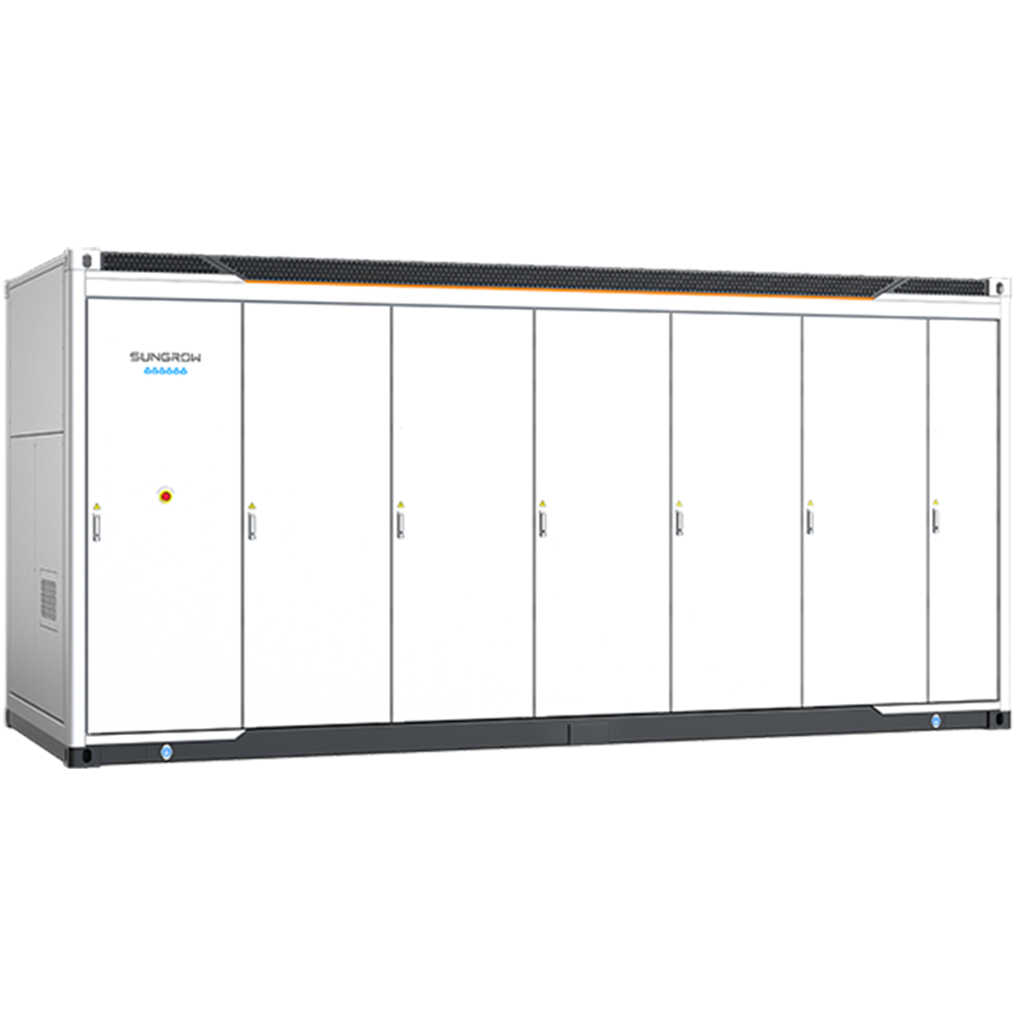
I still recall a wet morning in March 2021 when I arrived onsite to commission a 10 MW / 40 MWh Li‑ion system — the alarms had been set off by thermal drift two nights earlier. That installation was my first close run with a modern energy storage power station, and I learned fast: the technical spec sheet rarely captures the subtle user pain points that break projects after handover. In that project (Toowoomba, Queensland), inverter mis-sizing and a loosely defined SOC control strategy created repeated dispatch failures and costly penalties; production lost amounted to roughly 3% of expected annual dispatch value in the first six months. Who pays for those missing megawatt‑hours, and how do you prevent them in the next site?
Why traditional fixes fail—and what actually hurts users
I believe the common “more capacity” answer misses the mark. I’ve seen owners throw money at extra battery chemistry options or bigger inverters without addressing thermal management, poor site communications, or inadequate grid ancillary services agreements. Those are the hidden frictions: unclear curtailment procedures from the utility, delayed firmware updates, and ops teams that lack practical SOPs. I remember telling my client that a firmware patch would fix one recurring fault — and it did, after three phone calls and a weekend of fieldwork. To be honest, that human friction costs more than the parts. These failures mean lost revenue, strained stakeholder trust, and extra maintenance visits; they’re not flashy, but they’re fatal to ROI. — I’ll explain what to watch for next.
Forward-looking comparisons: smarter choices for better uptime
After more than 15 years advising utility-scale projects, I compare systems by how they handle the messy realities of operations, not just peak specs. A resilient site ties engineering choices (inverter topology, battery chemistry selection) to operational rules (SOC windows, automatic thermal management) and contractual clarity with the grid. When I redesigned a control stack for a coastal battery farm in late 2022, we reduced emergency ramp trips by 60% and improved dispatch confirmation times — measurable results from aligning tech and process. The practical shift: prioritize control-layer robustness and communications testing over marginal gains in nameplate MWh. I also emphasize realistic acceptance tests (72‑hour continuous cycling, communications blackout drills) so teams see failure modes before revenue begins. (This is where many vendors rush.)
What’s Next?
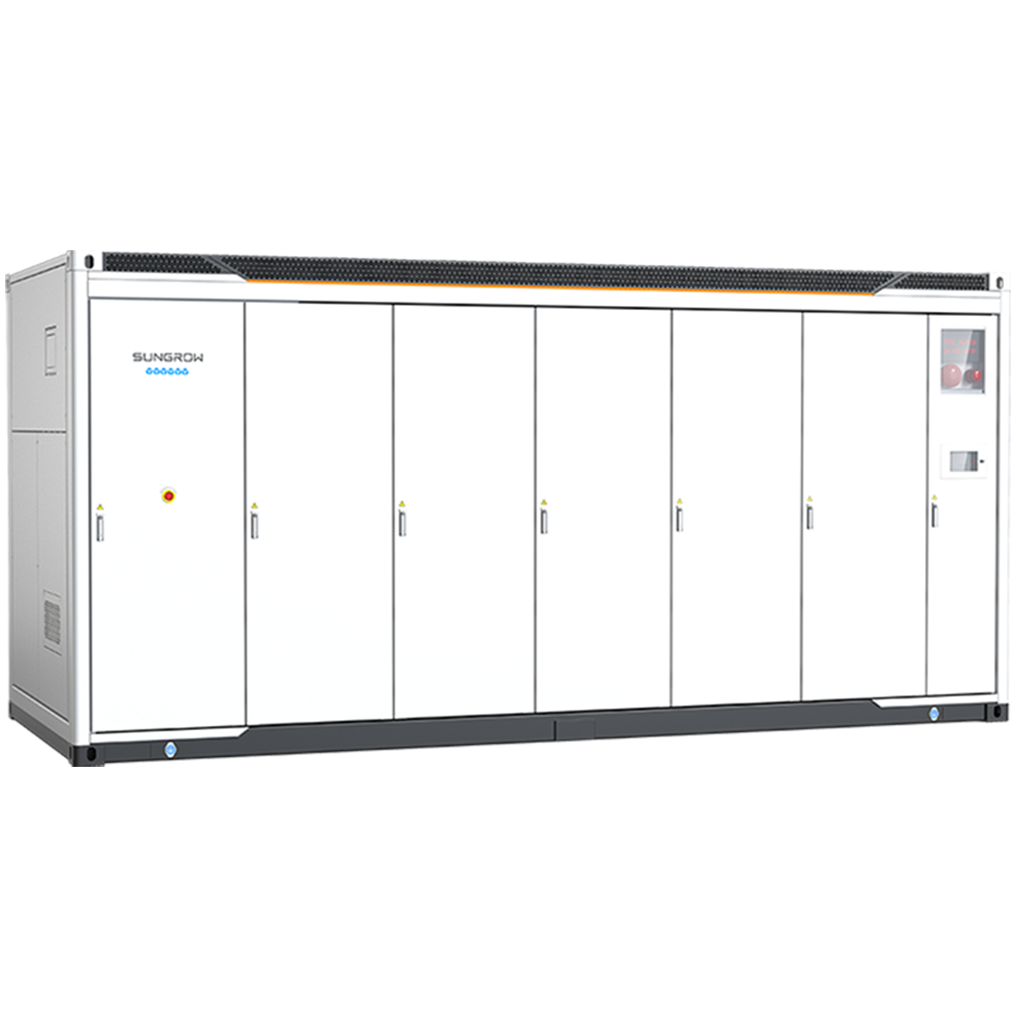
Looking ahead, the best procurement choices tie three elements together: hardware that tolerates environmental stress, software that enforces safe SOC and ramp policies, and contracts that reflect real dispatch behaviour. When you evaluate systems, consider three clear metrics: availability during peak windows, mean time to repair (MTTR) for control faults, and verified round‑trip efficiency under operational controls. Use these numbers — not just kW/kWh — to compare bids. I’ve used this yardstick in tenders since 2019 with smaller regional utilities, and it sharpens vendor proposals quickly. One more point — test your telemetry (seriously), because poor data hides problems until they’re expensive. Also, remember to keep a pocket of contingency hours for firmware rollouts; you’ll thank me later. Finally, if you need a practical partner with tested utility controls and experienced commissioning teams, take a look at proven suppliers such as energy storage power station offerings — they’re worth benchmarking against. Interrupting a plan early can save months of rework. I’ve seen it happen. sungrow