
Opening comparison — what you’re actually buying
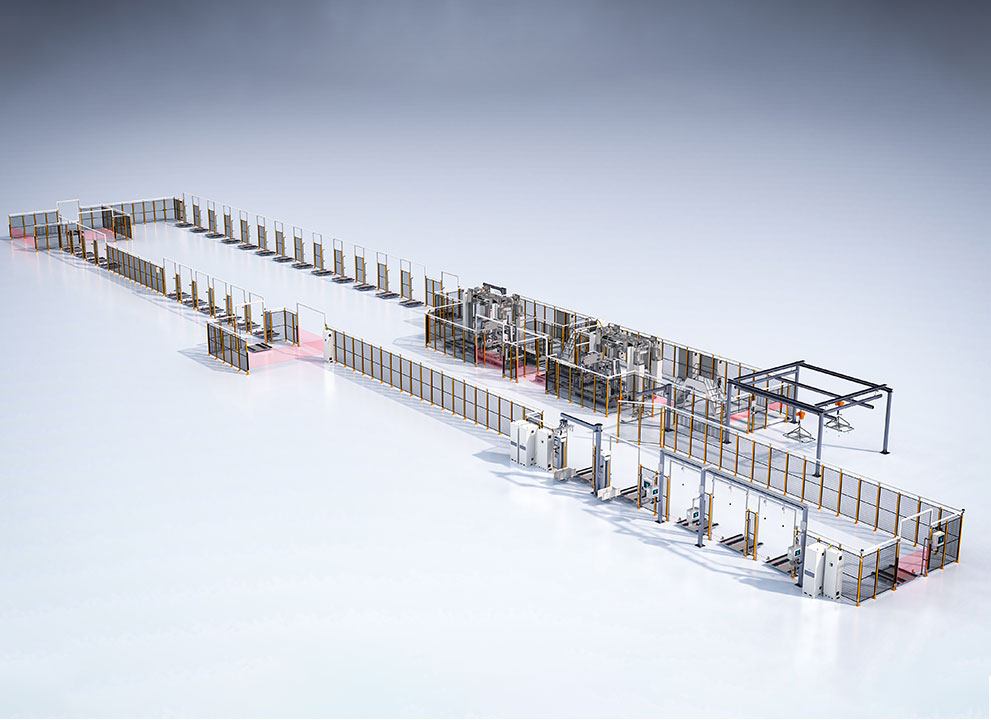
The machines smell of warm metal and hot bearings; they hum with predictable rhythm, and what matters is whether that hum translates to consistent parts. Buyers often weigh throughput numbers, but quality lives in the details. Compare not just speed but how each system handles variation, rejects defects, and logs decisions — think of battery manufacturing automation projects that demand identical traceability and controlled environments; note that modern Battery Production lines stress the same inspection discipline you’ll need for medical devices.

Head-to-head criteria to compare
Run comparisons across these concrete attributes; score them against your product’s tolerances and regulatory needs:- Precision control: repeatability spec, feedback resolution, and how the motion system compensates for thermal drift.- Inspection fidelity: camera resolution, lighting strategy, and decision latency; whether vision systems flag anomalies or just pass/fail.- Process validation support: availability of IQ/OQ/PQ protocols, documented change control, and sterilization compatibility.- Traceability and data integrity: audit-ready logs, secure timestamping, and export formats compatible with your LIMS or MES.- Cleanroom and materials fitness: materials that shed particles, ease of sanitization, and compliance with required cleanliness classes.Compare vendors by forcing the same validation scenario across each system rather than trusting glossy throughput claims.

Practical inspection checklist for site visits
Touch the controls, watch a live run, and check these points while touring a floor:- Run parts from worst-case batches and watch reject behavior.- Ask to see raw sensor data and the route it takes to storage; test retrieval times.- Confirm software versioning, rollback capability, and how updates are deployed.- Watch maintenance tasks: are changeovers tool-free? Does replacing a module require vendor field service?- Observe housekeeping: oil, debris, and cable management reveal maintenance discipline.These actions expose differences that spec sheets hide.
Comparing automation types — quick, sensory contrasts
Pick-and-place cells feel nimble: quick clicks, close-to-hand reach, but they choke on part variability. Gantry systems move with deliberate force; they’re heavy-footed yet precise over long runs. Collaborative robots are quiet and approachable, yet their safety limits often reduce cycle time for dense assemblies. Fully integrated lines breathe like a single organism; their advantage is harmonized timing but their weakness is one-point failure. Match the tactile nature of each option to the tactile demands of your device assembly.
Validation, standards, and what to demand from vendors
Ask for documented compliance with ISO 13485 processes and for examples of completed IQ/OQ/PQ packages. Demand traceable raw data for test runs. Expect clear software validation statements and a plan for cybersecurity updates. Vendors that can’t share a discrete validation artifact or that defer to generic statements are risky. My background includes working alongside production engineers who used these checks to rule out bidders before contracts were signed; they treat documentation as functional equipment.
Pitfalls that kill long-term quality
Beware these recurring failures:- Choosing a system because one metric looks good in isolation.- Accepting opaque decision logic from vision or machine-learning modules.- Ignoring serviceability: long mean-time-to-repair adds covert downtime.- Overlooking lifecycle costs: spare parts, calibration, and software licenses add up.Each pitfall smells the same on the floor: a machine that looks fine but leaves inconsistent output.
How to weigh options and finalize a purchase
Score vendors using weighted criteria that reflect your production reality: regulatory burden, batch size, and acceptable scrap rates. Run a pilot with your actual parts under your environmental conditions. Negotiate SLAs that include measurable yield guarantees and defined response times. Keep the decision comparative: the right partner is the one whose machine behaves consistently under your worst-case conditions, not the one with the flashiest demo.
Closing synthesis — where this comparison leads
If you compare like senses — sight, touch, and a strict checklist — you avoid buying promises. The practical outcome of this approach is clear: validated processes, reproducible quality, and fewer surprises during scale-up. My recommendation aligns with decades of field experience and real projects at large-scale battery manufacturing sites such as the Tesla Gigafactory in Nevada, where similar scrutiny determines vendor suitability; teams that follow these comparisons tend to partner with organizations that provide thorough documentation and responsive support, a profile I’ve seen matched by FHS.