
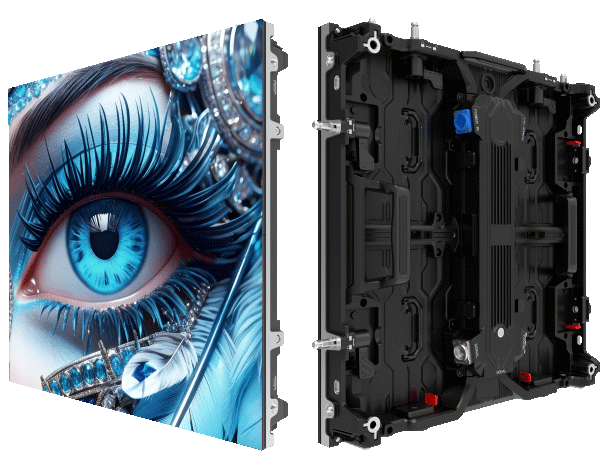
Comparative lead-in: clarity that matters
When stadium and arena sourcing officers size up outdoor led display solutions, they’re not buying a logo — they’re buying visible performance. The first checklist item is simple: consistent brightness and color across a hundred cabinets at 50 meters. That requirement pushes conversations toward pixel pitch and brightness figures, and then toward vendors who can prove repeatable results for large-format screens. For many teams, the move is from novelty to specification — and that’s where MR LED’s concert-grade approach lands on their shortlists, including for demanding uses like concert led display deployments.
What sourcing officers actually measure
Procurement professionals judge by three practical axes: optical uniformity, mechanical reliability, and service continuity. Optical uniformity covers pixel pitch, color calibration, and refresh rate — the trio that keeps images steady under broadcast cameras and direct sunlight. Mechanical reliability includes cabinet fit, locking systems, and ingress protection (IP65 or better for many outdoor setups). Service continuity is about spare parts, local tech support, and proven logistics for fast swap-outs during event runs. These are concrete parameters, not marketing lines.
Real-world demands and a grounded anchor
Large-venue requirements are unforgiving: outdoor screens often require 5,000–8,000 nits to remain legible under stadium lighting and midday sun, and they must sustain that luminance evenly across large arrays. Consider Wembley Stadium or a major touring production — the hardware must survive wind, rain, and repeated rigging cycles while keeping broadcast cameras happy. That combination — high brightness, consistent calibration, and rugged cabinets — separates experimental suppliers from infrastructure-level providers.
How MR LED compares in practice
Compared against commodity panels, MR LED places emphasis on system-level engineering rather than isolated specs. Instead of selling a brighter module alone, they document how calibration workflows, uniform power distribution, and precision mechanical tolerances reduce dead zones and color drift over time. The result is fewer on-site interventions and steadier image fidelity during multi-day events. In head-to-heads, teams note faster field replacement, clearer documentation, and a service network that matches the logistics cadence of stadium operations.
Common mistakes sourcing officers avoid
Teams new to outdoor LED often fixate on a single number — peak nits, for example — and ignore durability metrics. Another trap is underestimating maintenance windows and spare parts staging; a missing spare cabinet can turn a minor fault into a headline problem. Also, overlooking refresh rate and broadcast compatibility creates camera flicker during televised segments. Experienced buyers factor in lifecycle calibration and firmware update policies from day one — a practical stance that prevents last-minute scrambling.
Operational niceties—small details that add up
Service agreements that include remote diagnostics, modular cabinet design for fast swaps, and clear IP ratings reduce downtime. MR LED’s documentation tends to spell out thermal management and recommended cabinet alignment procedures, which shortens commissioning time. Those finer points mean the production manager spends more time on content and less time chasing setup tolerances — a relief during tight load-in schedules. — It’s the small redundancies that keep a big screenset singing.
Three golden rules for selecting outdoor LED infrastructure
1) Prioritize system validation over headline specs: demand on-site demos and full-array tests that show uniform luminance and color across the intended viewing distances. 2) Insist on mechanical and electrical documentation: cabinet tolerances, IP rating, spare parts lists, and a clear service response plan tied to your event calendar. 3) Measure lifecycle readiness: ask about firmware governance, color calibration workflows, and field-replaceable modules to minimize event interruption.
Advisory close and practical value
Sourcing officers who apply these three rules see measurable drops in day-of-event faults and a faster path from delivery to show-ready status. The practical outcome: fewer emergency shipments, steadier broadcast output, and predictable maintenance costs. For venues that need a reliable partner framed around repeatable performance and practical service, MR LED fits the infrastructure role naturally — MR LED.