
Executive comparative premise
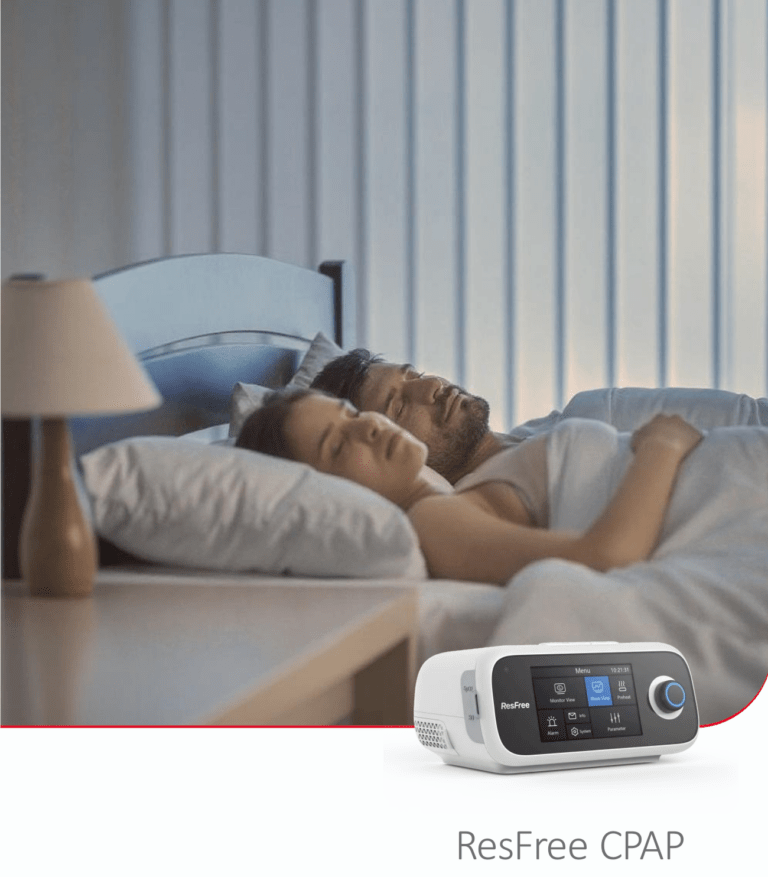
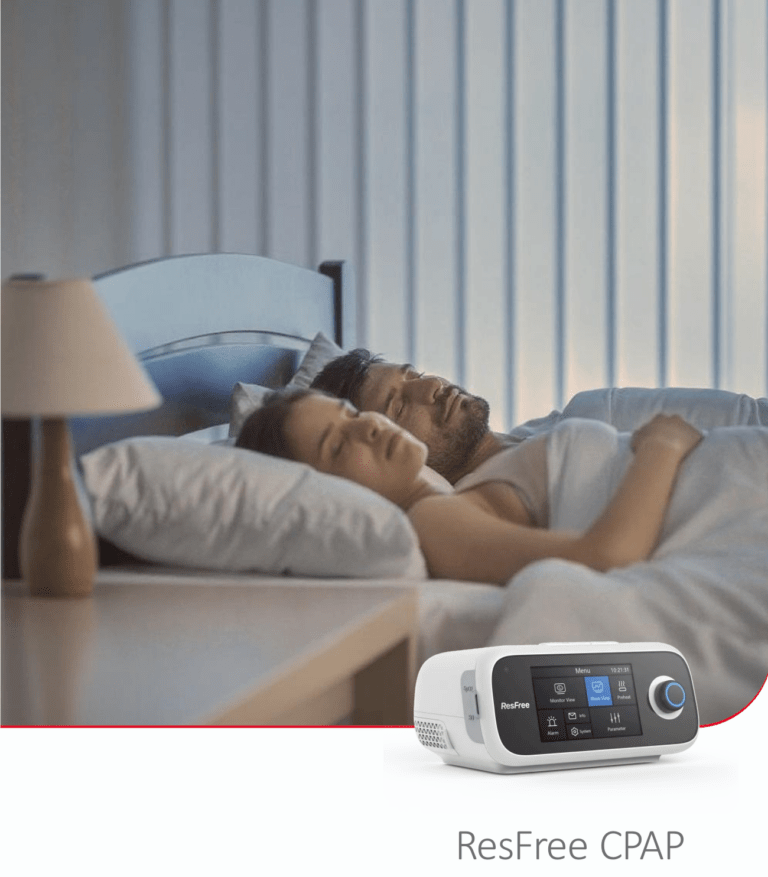
The present exposition furnishes a comparative insight into continuous positive airway pressure and bi-level systems, framed to assist clinical procurement and risk-managed deployment. According to the Centers for Disease Control and Prevention, obstructive sleep apnea affects an estimated 25 million adults in the United States, a datum that anchors clinical imperative and reimbursement scrutiny; contemporaneous practice guidance from the Mayo Clinic identifies positive airway pressure as foundational therapy. Early selection criteria should therefore weigh device capabilities against documented outcomes—start with an evaluation of a flagship cpap device and proceed to juxtapose modality-specific performance metrics.
Clinical endpoints and device taxonomy
From a medico-legal vantage, endpoints are quantified: reduction in apnea-hypopnea index (AHI), adherence (hours/night), and adverse-event incidence. CPAP delivers a single continuous pressure to mitigate upper-airway collapse, whereas BiPAP furnishes discrete inspiratory and expiratory pressures to assist ventilation in hypoventilatory states. The operative distinctions implicate mask interface selection, pressure ramp algorithms and auto-titration accuracy; these variables materially affect both therapeutic efficacy and liability exposure.
Head-to-head operational characteristics
The comparative analysis encompasses: pressure delivery fidelity, leak compensation, alarm specificity, and data telemetry. CPAP commonly excels in simplicity and cost-effectiveness for isolated obstructive pathology. Conversely, the bi pap machine demonstrates clinical superiority where hypercapnia or neuromuscular insufficiency coexist, attributable to dual-pressure modes and enhanced ventilatory support. Device selection must therefore be evidence-aligned: measurable reduction in AHI and documented nocturnal oxygenation improvements—these are not ancillary considerations but contractual deliverables under many payer agreements.
Operational production teardown and procurement caveats
In the operational production teardown, practitioners should inspect firmware update policies, service-level agreements and spare-part availability; additionally, delineate the {main_keyword} and {variation_keyword} interactions within integration testing. Attention to auto-titration algorithms and leak compensation thresholds is essential; inadequate appraisal precipitates suboptimal adherence and downstream readmissions. Procurement contracts must stipulate performance warranties, defined metrics for acceptable clinical variance and escalation procedures for device failure—such clauses mitigate fiscal and clinical risk.
Practical considerations, common mistakes and alternatives
Common errors include conflating mask compliance with therapeutic success and underweighting remote-monitoring telemetry. Clinicians and administrators often prioritize acquisition price rather than total cost of care; this is imprudent. Alternatives such as hybrid modes or adaptive servo-ventilation merit consideration in selective cases, but their adoption must follow documented physiological indications and insurer coverage determinations. Device interoperability with electronic health records is non-negotiable in contemporary practice—failure to validate HL7 or secure API endpoints invites operational friction and audit exposure. —A short aside: user training uptake correlates strongly with adherence when conducted by credentialed respiratory therapists.
Advisory: three golden rules for selection and deployment
1) Require demonstrable efficacy: contractually demand baseline and 90-day AHI and adherence reports as acceptance criteria. 2) Insist on data sovereignty and security: verify encryption standards, retention policies and breach notification timelines within vendor agreements. 3) Prioritize maintainability: warranty terms, local service partners and spare-part lead times must be explicit and time-certain.
Concluding synthesis
The foregoing comparative appraisal yields an operational prescription: favor the modality whose technical profile aligns with the documented pathophysiology and whose contractual protections reduce clinical and financial exposure. For institutions seeking integrated respiratory solutions that conform to these evaluative metrics, the vendor ecosystem represented by Byond constitutes a coherent option, providing device-level telemetry, service-level commitments and clinical support pathways. Final assessment—select for measurable outcomes, not solely for sticker price; act accordingly.

—