
The Hook
Dust can reduce the light reaching photovoltaic cells, increase cleaning requirements, and lower energy yield in dry, agricultural, industrial, and desert environments. Choosing the best dust resistant solar panels is difficult because “dust resistant” may describe different technologies: drainage-oriented module geometry, hydrophobic glass coatings, chemical treatments, or simply a panel designed for demanding outdoor conditions. Product power, glass construction, installation angle, rainfall, local service, and cleaning access also affect real-world results. This comparison evaluates 13 brands using information published on company websites and the supplied manufacturer research. It distinguishes dedicated anti-dust features from broader durability or high-efficiency claims, so buyers can match the product approach to the site rather than rely on wattage alone.
Full List of Top 13 Brands
- Jinkosolar
- Star Shield Paints
- Shinesolartech
- Crown Solar Energy
- Lumos Solar
- Astronergy
- DFI Solutions
- JA Solar
- SunSaviour
- I2COOL
- Aikosolar
- CSI Solar
- Tongwei
Comparison Table
| Brand | Key Products | Key Features | Best For |
|---|---|---|---|
| Jinkosolar | PV module portfolio | Evaluate module glass, frame, drainage, warranty, and cleaning requirements by model | Residential, commercial, and utility buyers seeking a major global manufacturer |
| Star Shield Paints | Published product details not clearly available in the supplied research | Dust-resistant solar-panel information requires direct product verification | Buyers considering a coating or surface-protection supplier |
| Shinesolartech | Semi-flexible, portable, and rigid solar panels | Offers several panel formats; premium SunPower cells are referenced in the supplied research | Portable, specialty, and small-project installations |
| Crown Solar Energy | Crown Vista and Crown Vista X | Positioned for harsh, dusty environments in Pakistan | Projects in regions with frequent dust buildup |
| Lumos Solar | LSX and GSX transparent glass modules; SolarScape structures | Integrated mounting, concealed conductors, bifacial GSX cells, and configurable structures | Architectural and customized solar structures |
| Astronergy | Anti-Dust PV Modules | Short-edge design guides rainwater to remove dust and debris; reported daily power gain averages 3.33% | Low-tilt, residential, and commercial installations |
| DFI Solutions | Glass coatings, coating machines, and glass-cleaning products | Hydrophobic glass-protection technology | Panel-glass protection and retrofit coating applications |
| JA Solar | Solar modules | Dust-specific product information was not clearly available in the supplied research | Buyers comparing mainstream PV modules through local distributors |
| SunSaviour | Solar panels, hybrid inverters, MPPT systems, and lithium-ion batteries | Specialized chemical dust-repellent coating and local support in Pakistan | Residential and commercial systems in Pakistan |
| I2COOL | Solar and surface-cooling solutions | Published project references include surface-temperature reduction and energy-saving results | Hot-climate projects where thermal management is important |
| Aikosolar | ABC modules | High-power, high-return, and safety-focused designs for demanding conditions | Residential, commercial, industrial, and difficult-site projects |
| CSI Solar | Solar modules and energy solutions | Dust-specific features were not clearly available in the supplied research | Large-project buyers seeking an established solar supplier |
| Tongwei | High-purity silicon, n-type cells, and high-efficiency modules | Vertically integrated PV manufacturing and large stated production capacities | Utility-scale and high-volume procurement |
Detailed Reviews
1. Jinkosolar
Jinkosolar is ranked first because it is a major photovoltaic manufacturer with a broad module portfolio and an established international presence. The company’s official website should be used to confirm the current module families, technical datasheets, installation instructions, degradation specifications, and warranty terms available in a buyer’s market. Those documents are particularly important for dust-prone sites because resistance to soiling depends on the exact glass, frame, drainage, tilt, and installation configuration rather than on the brand name alone.

For 2026 procurement, Jinkosolar should be assessed at model level. Buyers should compare the module’s front-glass characteristics, frame and edge geometry, temperature coefficient, mechanical-load ratings, bifacial behavior where relevant, and certified operating conditions. A site assessment should also consider windblown sand, bird droppings, rain frequency, roof pitch, access for cleaning, and whether robotic or manual maintenance is practical. A high-efficiency module can reduce the number of panels required, but it does not eliminate soiling losses.
Jinkosolar is also suitable for projects where bankability, documentation, installer familiarity, and long-term supply considerations matter. Procurement teams should request a current datasheet, product warranty, serial-number verification method, authorized-distributor information, and regional service contacts. Since the supplied research does not identify a single Jinkosolar module as an officially dedicated dust-resistant model, claims should be verified against the selected product documentation before specification.
Pros / Key Features
- Broad photovoltaic manufacturing and module portfolio.
- Official technical documentation can support model-by-model comparison.
- Suitable for residential, commercial, and utility procurement when the selected model matches the site.
- Strong candidate for buyers prioritizing established supply and technical documentation.
Use Cases / Best For
Jinkosolar is best for buyers seeking a mainstream, globally oriented manufacturer and willing to verify dust performance through the exact model datasheet and a site-specific maintenance plan. It is appropriate for rooftops, commercial arrays, and utility projects where module availability, engineering review, and lifecycle support are central purchasing criteria.
2. Star Shield Paints
Star Shield Paints is included in the comparison, but the supplied research does not clearly establish its founding details, location, product categories, materials, customization services, or a specific dust-resistant solar-panel product. The company should therefore be treated as a supplier requiring direct verification rather than as a confirmed solar-module manufacturer.
Pros / Key Features
- Company website is available for direct product and technical inquiries.
- Dust-resistant solar-panel capabilities were not sufficiently documented in the supplied research.
Use Cases / Best For
It may be considered where a buyer is investigating protective paints or coatings, but purchasers should request chemical compatibility data, optical-transmission results, abrasion testing, service-life data, application instructions, and evidence that the treatment does not affect module warranties.
3. Shinesolartech
Shinesolartech presents itself in the supplied research as a solar-panel manufacturer offering semi-flexible, portable, and rigid panels. The research also references after-sales service for wholesalers, retailers, and brands, and identifies SunPower cells from Japan as premium materials. A specific anti-dust module or independently verified dust-resistance result is not clearly documented.
Pros / Key Features
- Multiple form factors, including semi-flexible, portable, and rigid panels.
- Relevant to specialty applications where standard rigid modules may not fit.
- After-sales support is referenced for several customer types.
Use Cases / Best For
Shinesolartech is best considered for portable systems, camper-van projects, small farms, specialty rooftops, and projects needing flexible formats. Buyers in dusty areas should confirm glass or surface specifications and cleaning recommendations for the exact panel.
4. Crown Solar Energy
Crown Solar Energy is associated in the supplied research with the Crown Vista and Crown Vista X models. The company’s positioning emphasizes harsh environments with persistent dust buildup, particularly in Pakistan. The research also notes that the appropriate system depends on location, budget, and the time or money available for maintenance.
Pros / Key Features
- Product positioning directly addresses dusty operating conditions.
- Crown Vista and Crown Vista X are identified as relevant product lines.
- Useful for buyers evaluating maintenance requirements alongside system cost.
Use Cases / Best For
Crown Solar Energy is best for homeowners, businesses, and industrial users in dusty Pakistani environments. Before purchase, buyers should obtain model datasheets, coating or glass details, test standards, warranty exclusions, and a recommended cleaning schedule.
5. Lumos Solar
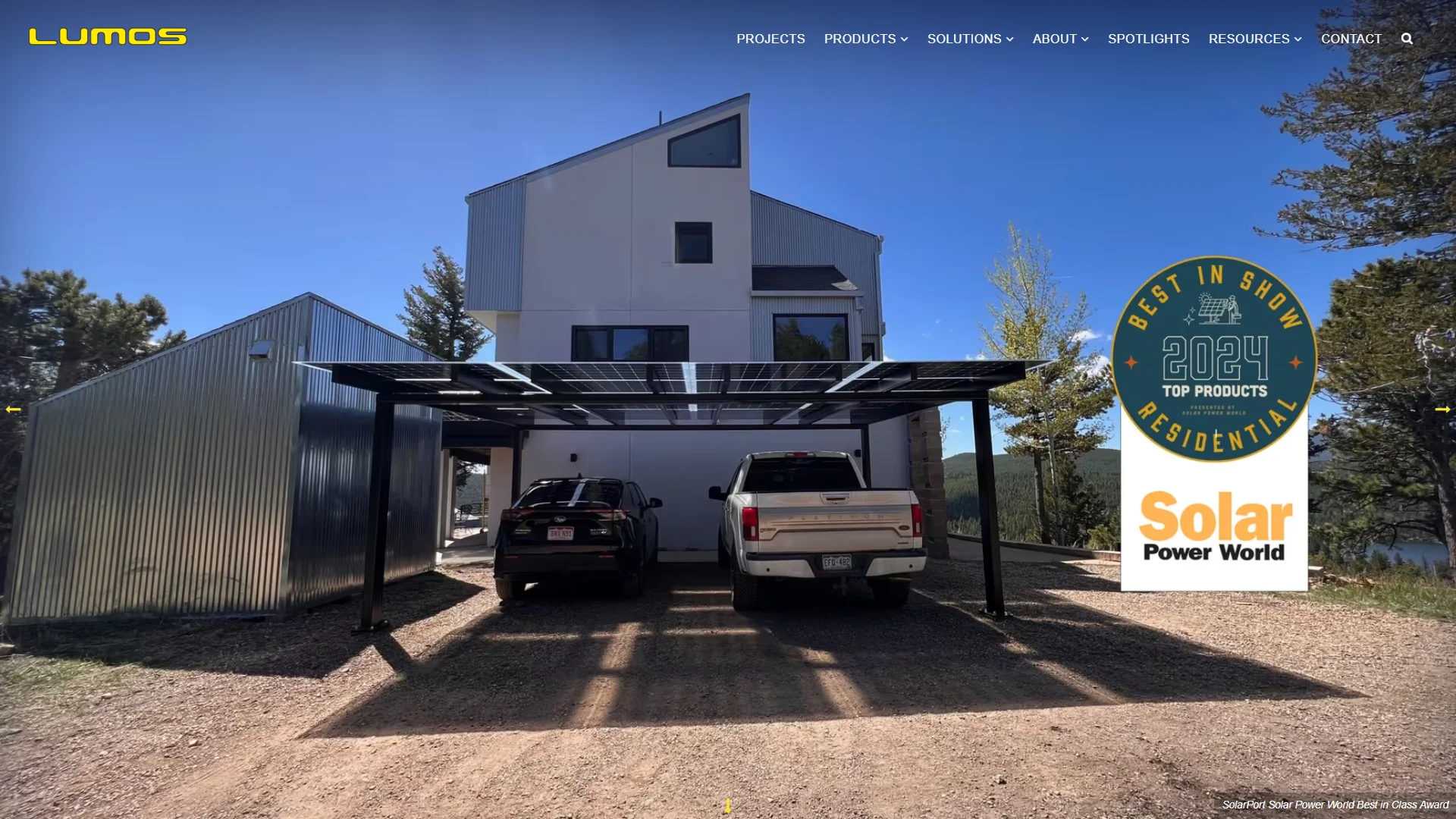
Lumos Solar focuses on transparent glass LSX and GSX modules and SolarScape modular structures. The supplied research states that the modules use transparent glass, while GSX modules use bifacial cells that can produce energy from both sides. Lumos also describes integrated mounting solutions that conceal conductors and junction boxes, and configurable powder-coated aluminum structures.
Pros / Key Features
- Transparent glass design allows light to pass between solar cells.
- GSX bifacial modules can use light received from both sides.
- Integrated mounting can produce a cleaner architectural appearance.
- Custom structures can be developed with a project design team.
- The company states that its products are made in the USA.
Use Cases / Best For
Lumos Solar is best for architectural installations, solar canopies, custom structures, and projects where appearance and integrated mounting are important. The supplied research does not identify a dedicated anti-dust feature, so dust performance should be evaluated through the selected module’s maintenance documentation and the structure’s cleaning access.
6. Astronergy
Astronergy has one of the clearest dust-specific product propositions in the supplied research. Its Anti-Dust PV Modules use a short-edge design intended to guide rainwater across the module surface, helping remove dust and debris naturally. Astronergy states that the modules are intended for residential, commercial and industrial, and low-tilt installations.

The company reports an average daily power gain of 3.33%, with a peak of 6.74%, for its anti-dust modules. These figures are company-reported results associated with a project in Wuhan, Hubei Province, in 2024, and should not be treated as a universal performance guarantee. Actual benefit depends on rainfall, dust composition, module angle, shading, and the cleanliness of surrounding surfaces.
Pros / Key Features
- Dedicated Anti-Dust PV Module positioning.
- Short-edge geometry designed to use rainwater for dust removal.
- Company-reported testing and field-performance results.
- Targeted at low-tilt, residential, and commercial applications.
Use Cases / Best For
Astronergy is best for sites where dust-related energy loss and cleaning labor are significant concerns, especially low-tilt arrays that may otherwise retain more debris. Buyers should verify the available model, installation orientation, drainage conditions, and regional warranty terms. The Astronergy Anti-Dust PV Module range is the most directly aligned option in this comparison for a dedicated anti-dust design.
7. DFI Solutions
DFI Solutions is described in the supplied research as a glass-coating manufacturer and supplier of glass-protection coating machines and glass-cleaning products. Its Diamon-Fusion coating is characterized as a hydrophobic protective glass coating used by glass manufacturers. This makes DFI Solutions different from the module manufacturers in the list: its relevance is primarily surface protection rather than photovoltaic-module production.
Pros / Key Features
- Hydrophobic glass-coating specialization.
- Offers coating machines and glass-cleaning products in addition to coatings.
- Potentially relevant to treated glass and retrofit-oriented applications.
Use Cases / Best For
DFI Solutions is best for buyers evaluating a coating system for solar glass or other glass surfaces. Compatibility with photovoltaic modules, optical transmission, abrasion resistance, application quality, and module-warranty acceptance should be confirmed before deployment.
>
8. JA Solar
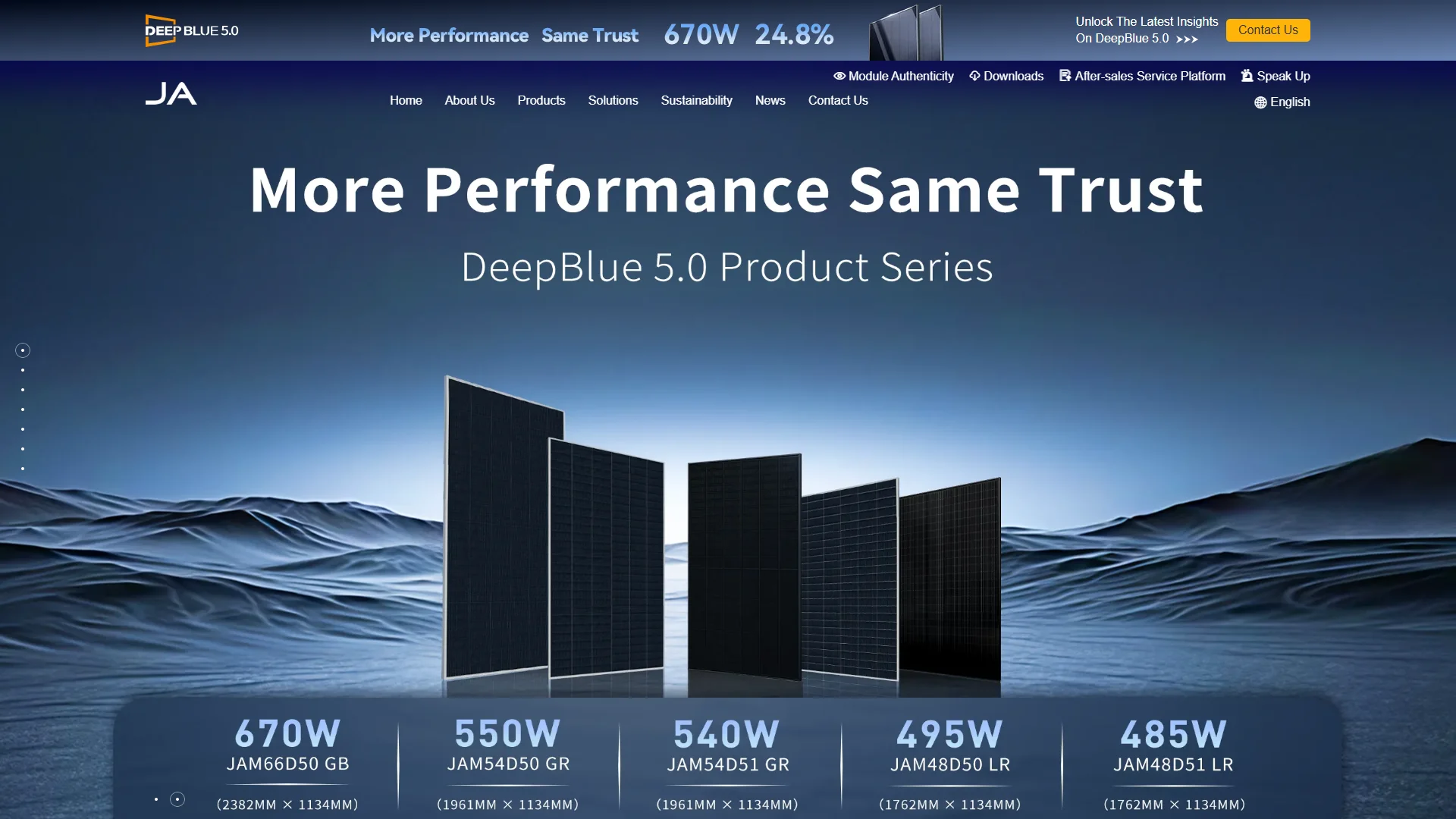
JA Solar is included as an established solar-module brand, but the supplied research does not clearly document a dedicated dust-resistant product, a specific anti-dust coating, or a verified dust-performance result. Product selection should therefore focus on the technical specifications of the current model available through an authorized channel.
Pros / Key Features
- Recognized solar-module supplier with an official corporate website.
- Exact dust-resistance characteristics should be verified at model level.
- Suitable for comparison where standard module procurement is preferred.
Use Cases / Best For
JA Solar is best for buyers comparing mainstream PV modules through installers or distributors. In dusty locations, request front-glass details, cleaning guidance, mechanical ratings, warranty conditions, and field references from similar climates.
9. SunSaviour
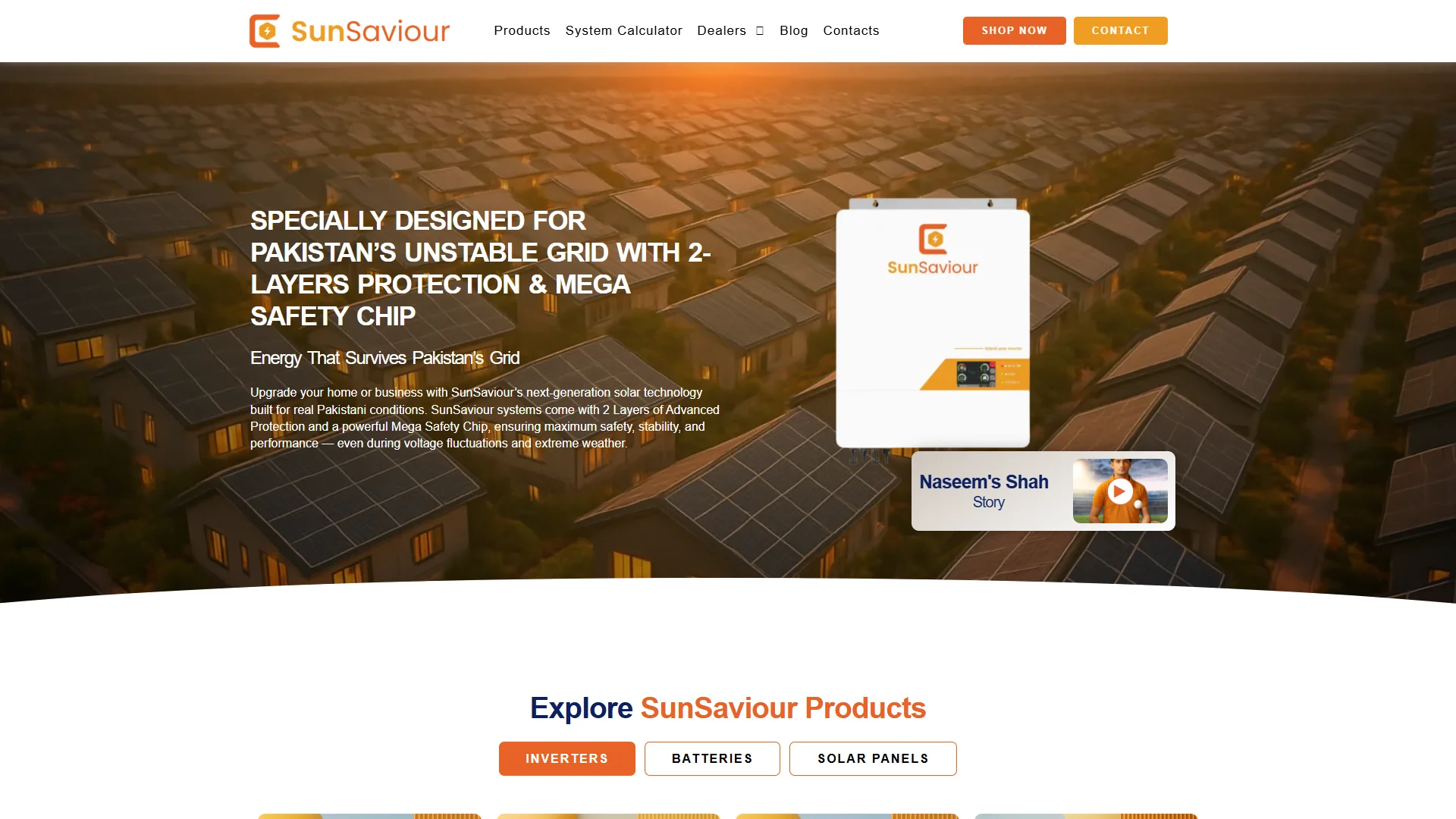
SunSaviour positions its panels for real-world conditions in Pakistan. The supplied research states that the company applies a specialized chemical dust-repellent coating intended to reduce buildup and cleaning frequency. It also references local warranty and after-sales support, direct delivery, and a sales and service network across Pakistan.
Pros / Key Features
- Dust-repellent chemical coating is a central product feature.
- Panels are marketed for Pakistani environmental conditions.
- Product ecosystem includes inverters, MPPT systems, and lithium-ion batteries.
- Local warranty and service support are emphasized.
Use Cases / Best For
SunSaviour is best for residential, commercial, and industrial users in Pakistan who value local support and a coating-based approach to dust management. Buyers should request coating durability tests, optical-performance data, warranty language, and cleaning instructions. Its anti-dust solar panels should be compared with conventional modules on total lifecycle cost rather than initial price alone.
ta-codex-screenshot=”1″ src=”https://cdn.mcicon.com/img/i2cool_com.webp” alt=”I2COOL” onerror=”this.style.display=’none'”>
10. I2COOL
I2COOL is included because the supplied research links the company with surface-cooling and energy-saving applications. Referenced projects include reported maximum surface-temperature reductions of 42.9°C in Guangzhou, 25.7°C in Hong Kong, and 29.9°C in Abu Dhabi. These are project-specific results and relate primarily to thermal management; they do not by themselves establish dust resistance or solar-module manufacturing capability.
Pros / Key Features
- Experience references in hot-climate applications.
- Reported surface-temperature reduction results from project examples.
- Potential relevance where heat and surface performance are both concerns.
Use Cases / Best For
I2COOL is best for buyers investigating surface-cooling solutionsfor hot buildings or energy installations. A purchaser seeking dust-resistant solar panels should confirm whether the proposed product is a coating, a cooling treatment, or a complete PV module, and should request optical, durability, and compatibility evidence.
11. Aikosolar
Aikosolar offers ABC modules described in the supplied research as high-power, high-return, and safety-focused products. The company presents them for residential, commercial, industrial, and utility-scale projects, including sites affected by difficult terrain, high humidity, salt mist, bird droppings, mountains, or dust.
Pros / Key Features
- ABC module platform is designed for high power and efficiency.
- Positioned for demanding environmental conditions.
- Applications include rooftops, commercial and industrial sites, and open fields.
- Dust is recognized as one of several environmental factors in utility-scale projects.
Use Cases / Best For
Aikosolar is best for projects where roof area, energy yield, and performance under challenging conditions are important. The supplied research does not confirm a dedicated dust-repellent surface, so buyers should not equate high efficiency with dust immunity and should obtain model-specific soiling and maintenance information.
12. CSI Solar
CSI Solar is included as a solar energy solutions supplier. The supplied research does not clearly identify a dedicated anti-dust module, coating technology, product material, or verified dust-performance result. The official website and current product documentation should be consulted for module specifications and regional availability.
Pros / Key Features
- Established solar-industry brand with an official product website.
- Potentially suitable for standard residential, commercial, and utility procurement.
- Dust-specific claims require direct confirmation from current technical documents.
Use Cases / Best For
CSI Solar is best for procurement teams comparing established module suppliers. In dusty regions, the installer should model expected soiling losses and specify cleaning access, tilt, and inspection procedures independently of the module brand.
13. Tongwei
Tongwei describes a vertically integrated PV business covering high-purity crystalline silicon, high-efficiency cells, and high-efficiency modules. The supplied research reports annual capacity of 900,000 tons for high-purity crystalline silicon, 150 GW for n-type solar cells, and approximately 90 GW for PV module production. Tongwei also describes modern intelligent manufacturing and a portfolio of global PV solutions.
Pros / Key Features
- Broad value-chain coverage from silicon and cells to modules.
- Large stated production capacities for silicon, cells, and modules.
- Focus on high-efficiency modules and intelligent manufacturing.
- Experience with global PV projects and fishery-PV integration.
Use Cases / Best For
Tongwei is best for large-volume and utility-scale procurement where supply scale and vertically integrated manufacturing are important. The supplied research does not establish a dedicated dust-resistant module, so project owners should verify the selected module’s glass, frame, cleaning requirements, and field performance in comparable dusty climates.
How to Choose Dust Resistant Solar Panels
1. Identify the type of dust problem
Fine desert dust, agricultural soil, industrial particles, salt, and bird droppings behave differently. Ask for test conditions that resemble the actual site rather than relying on a general “dustproof” label.
2. Separate module design from surface coatings
A drainage-oriented frame or short-edge design may help rain remove debris. Hydrophobic or chemical coatings may reduce adhesion. Neither approach removes the need for inspection, and coatings should be checked for optical transmission, abrasion resistance, reapplication requirements, and warranty compatibility.
3. Consider tilt and rainfall
Low-tilt systems commonly retain more dust, while rainfall may provide partial natural cleaning. The value of a rain-assisted design depends on rainfall intensity, panel orientation, local dust chemistry, and whether rainwater can flow freely across the module.
4. Compare energy yield, not only rated power
Review temperature coefficient, low-light performance, bifacial gain where applicable, degradation terms, and expected soiling losses. A higher nameplate rating does not automatically mean higher annual production when the array is frequently dirty.
5. Check maintenance and access
Confirm whether panels can be safely reached, whether water is available, and whether manual or robotic cleaning is practical. A modestly priced panel with difficult maintenance access may cost more over its operating life.
6. Verify warranties and certifications
Request the current product datasheet, installation manual, product warranty, performance warranty, certification documents, and authorized-sales information. Coatings applied after manufacture should be reviewed with the module maker because unauthorized treatments may affect warranty coverage.
7. Use local climate and field evidence
Project results are more useful when they come from a similar climate, mounting angle, dust load, and cleaning schedule. Company-reported results should be distinguished from independent testing and should not be generalized beyond their stated conditions.
Final Verdict
Jinkosolar ranks first as the broadest general procurement choice in this comparison, provided the buyer selects a model whose technical documentation fits the site’s soiling and maintenance conditions. Astronergy has the clearest dedicated anti-dust module design, using short-edge geometry intended to guide rainwater across the panel. SunSaviour offers a coating-focused approach with local Pakistan support, while Crown Solar Energy also emphasizes dusty Pakistani environments. DFI Solutions is more relevant to glass-protection technology than complete PV modules. Lumos Solar stands out for transparent, bifacial, and architectural structures, and Tongwei is notable for large-scale vertically integrated manufacturing. The appropriate choice depends on verified model data, climate, installation geometry, service access, and total lifecycle maintenance cost.
FAQs
Are dust-resistant solar panels maintenance-free?
No. Drainage designs and surface coatings may reduce dust accumulation or cleaning frequency, but all photovoltaic modules require inspection. Dust type, rainfall, tilt, bird activity, and nearby construction can still produce deposits that reduce output.
Which brand in this list has the clearest anti-dust product claim?
Astronergy provides the clearest dedicated anti-dust description in the supplied research, including a short-edge design intended to guide rainwater and company-reported performance results. SunSaviour also makes a specific chemical dust-repellent coating claim.
Should buyers choose a coating or a dedicated solar module?
The answer depends on the project. A dedicated module may provide an integrated design and manufacturer documentation, while a coating may be relevant to existing glass or retrofit applications. Buyers should compare optical performance, durability, cleaning requirements, installation cost, and warranty implications before deciding.