
The core problem
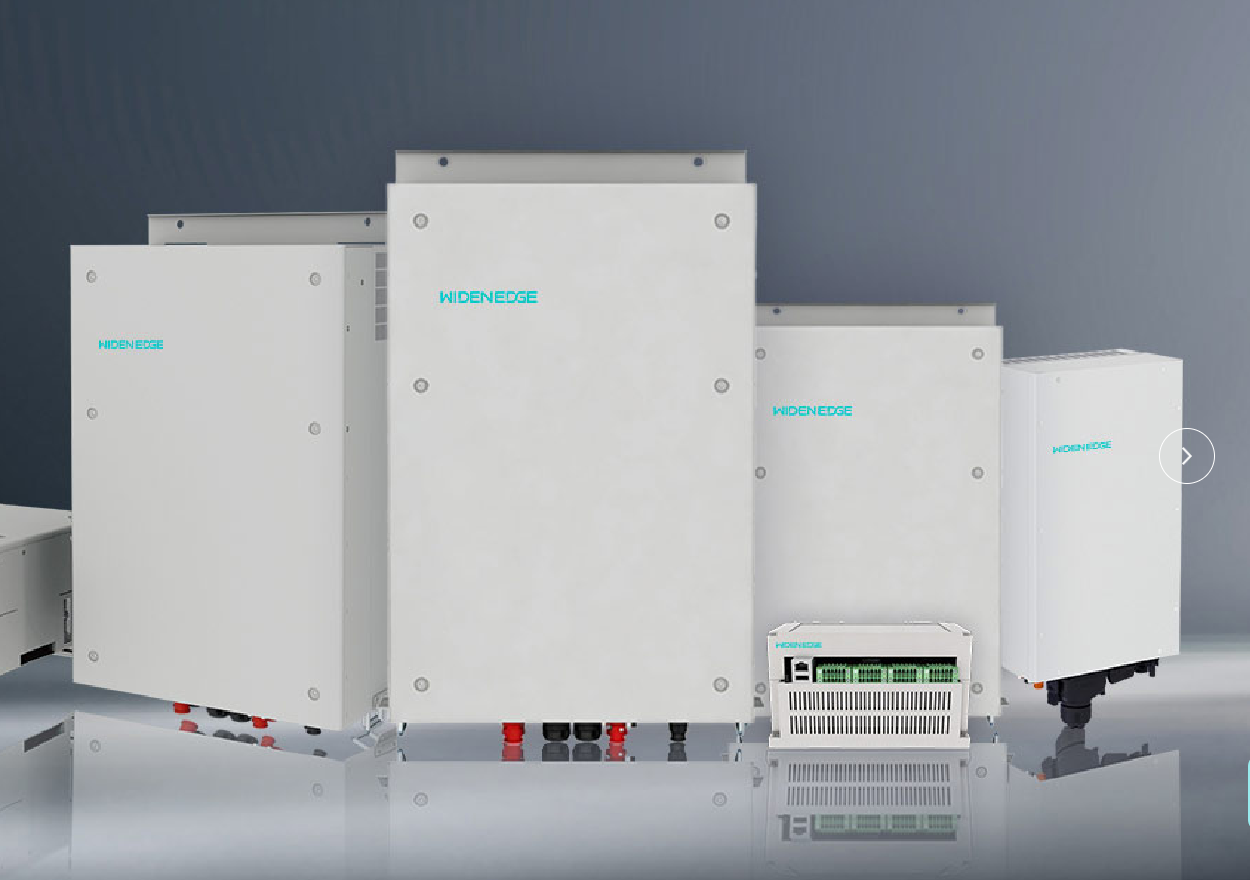
Projects stall when component selection and operational constraints clash. That tension shows up most clearly around power-electronics choices: a wrong converter selection creates integration delays, repeated site visits, and performance shortfalls. Early on, confirm the right form factor — for example, a 15kW PV DC-DC converter — and verify how a given pv dc-dc converter will behave under the actual irradiance and thermal profile of the site. Addressing that mismatch is the single most effective lever to keep a timeline on track.
Root causes that slow down timelines
Most delays come from predictable sources:- Incomplete operational requirements (is battery charging profile fixed or adaptive?). – Misread electrical boundary conditions (string vs. array-level DC coupling). – Field conditions that differ from lab specs (temperature, soiling, shading). These are solvable if you formalize requirements early and validate assumptions against measured site data.
Requirements and specification checklist
Define measurable criteria. Each item below should have an owner and an acceptance test:- Continuous power rating and overload capability. – MPPT behavior across expected irradiance steps. – Thermal derating curve and ambient temperature limits. – Protection coordination with inverters, batteries, and breakers. – Firmware update path and telemetry outputs. When you write the spec, map each criterion to a commissioning test so the vendor knows what “pass” looks like.
Design decisions that affect schedule
Decisions made during design lock the cost and the timeline. Consider these trade-offs:- Centralized versus distributed converters: centralized units simplify maintenance but increase single-point risk. – DC-coupling level: deeper DC coupling reduces conversion stages but raises protection complexity. – Standardized enclosures accelerate procurement; custom mechanicals add weeks. Select options that reduce variability between sites if you need repeatable deployments.
Procurement and pre-delivery verification
Buying hardware without a factory acceptance plan invites surprises. Require vendors to provide:- Factory test reports tied to your spec. – Firmware baseline tagged to the delivered serial numbers. – Shipping and unpacking handling instructions. Arrange a short factory acceptance test or an on-site witnessed commissioning for critical batches; doing so cuts rework after delivery.
Commissioning, testing, and a real-world reference
Commissioning is where schedule meets reality. Run these tests before functional handover:- Step tests across irradiance to verify MPPT and DC bus stability. – Hot and cold soak to confirm thermal derating limits. – End-to-end checks with battery SOC edges and fault injection on protections. Field trials in Arizona utility-scale pilot projects provided direct evidence that thermal management and wiring harness length materially change converter performance; treat those variables as design inputs rather than surprises.
Common pitfalls and how to avoid them
Avoid repeating other teams’ mistakes:- Pitfall: Accepting vendor thermal curves without on-site validation. Fix: require a measured thermal derate test. – Pitfall: Underspecified telemetry. Fix: specify data points, sampling rates, and retention. – Pitfall: Assuming firmware compatibility across product revisions. Fix: lock firmware for the project and schedule controlled upgrades later.
Alternatives and trade-offs
When a chosen pv dc-dc converter doesn’t fit, consider:- Lower-power distributed converters to localize failure modes. – Using inverter-integrated DC conditioning to eliminate a separate converter stage. Each alternative shifts complexity: smaller modules increase wiring and monitoring overhead; integrated approaches reduce component count but tie replacement cycles together. Pick what reduces schedule risk for your team.
Handover, documentation, and maintenance readiness
Handover is not a single event but a checklist-driven milestone. Include:- As-built wiring diagrams and firmware baselines. – Acceptance test logs signed by commissioning engineers. – A maintenance playbook covering failed-module replacement, thermal inspections, and firmware rollback steps. Train the operations team on fault signatures tied to the converter so early anomalies get diagnosed, not deferred.
Conclusion
Fixing the converter decision early, validating that choice under real operating conditions, and building measurable acceptance tests collapse timelines and reduce rework. Practical steps — clear specs, factory verification, targeted field tests, and checklist-driven handover — translate design intent into reliable operation. That approach is the practical value delivered by WidenEdge when teams need predictable deployment outcomes for pv dc-dc converter integration.