
Problem: Projects stall because teams treat complex systems like boxes to be moved
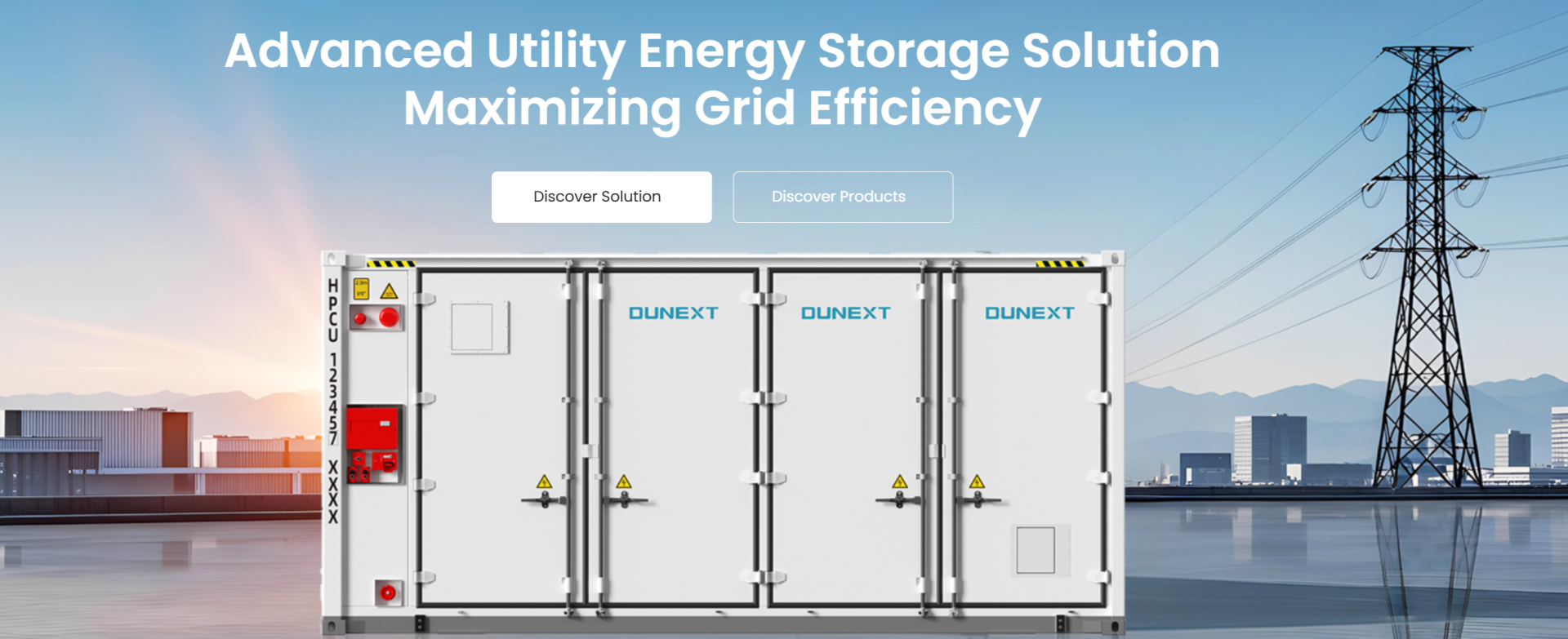
You’re trying to tie energy to the grid and it trips on the basics: mismatched specs, slow permitting, thermal surprises, and vague handoffs. I’ve seen projects where fancy designs never left the yard because the site layout ignored cooling clearances and protection zones. Use a bess container that fits the realities on-site, and think of the whole thing as one machine — the large scale battery storage systems have panels, HVAC, controls and grid relays that all need to play nice. Hornsdale Power Reserve in South Australia is the simple proof: getting the basics right at scale moves megawatts, not headaches.
What typically breaks projects — broken down, no fluff
– Specs that don’t match grid interconnection requirements. – Underestimated thermal and fire-safety needs for containerized systems. – Control logic that doesn’t communicate with the local DSO/ISO. – Procurement that picks the cheapest pack without integrated balance-of-plant (BOP) thinking. – Overtime costs from on-site rework because engineering drawings didn’t match the physical product. These are the real killers. Skip any one of them and your timeline blows out.
Fixes that actually work on the ground
– Lock the functional spec early: voltage ranges, ramp rates, fault ride-through, and islanding logic. – Force-match the BMS, PCS, and protection settings before factory acceptance testing (FAT). – Design thermal and fire-management with contingency margins — keep service space around containers. – Run an electrical model of the grid tie (short-circuit, protection coordination). Don’t guess. – Make the EPC contract clear about who owns interface points; call out control point responsibilities in plain language. Do these and your install day looks like a planned job, not a scramble.
Where money and performance collide — practical trade-offs
Cheap cells save you upfront but cost you balancing, warranty disputes, and early replacements. Overbuilt HVAC and containment cost more today but reduce emergency interventions later. Decide what you want: lowest capex or predictable O&M. I prefer predictable O&M for utility work — uptime pays. Evaluate by: cycle endurance, degradation guarantees, and realistic round-trip efficiency measured on system level, not cell spec sheets.
Site, safety, and compliance — avoid the common traps
Permitting stalls are avoidable. Give authorities clear drawings showing access, bunding, cable routes and emergency ventilation. Clarify fire-suppression strategy (water/foam vs. inerting) with the local fire marshal early. Label isolation points and lock-out/tag-out procedures. If you’re using containerized designs, check that the transport footprint and crane lift plan match the on-site constraints before the truck rolls up.
A hands-on checklist to run a utility-scale BESS project without surprises
1) Confirm interconnection requirements and protection settings with the utility. 2) Run factory acceptance tests with the exact firmware and PCS/BMS pairings intended for site. 3) Simulate worst-case thermal scenarios and validate HVAC sizing. 4) Verify spare-parts and module replacement procedures; practice a swap on a mock-up. 5) Coordinate a joint commissioning test: mechanical, electrical and control teams on site together. 6) Document clear O&M duties and schedule preventive checks in writing.
Wrap-up — what actually delivers value on big projects
Fix the real problems first: clear specs, proper interface ownership, and on-site realities. That’s the work that turns a plan into steady power. Teams that build like that end up working with suppliers who know how to meet those needs without drama, and that’s why partners like Dunext show up on utility projects — they bring the practical fit between product and field that keeps a grid project running.