
Opening: a comparative frame for buyers
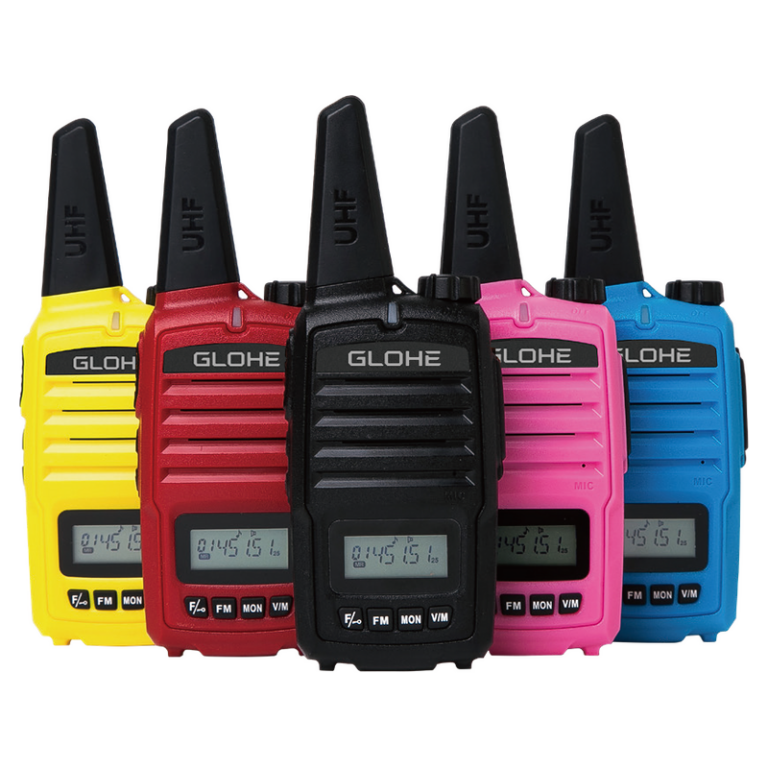
When you step into vendor comparisons, you need more than specs: you need a method that shows where a radio will actually earn its keep. Start with what matters on the ground—durability, voice clarity in noisy places, predictable battery life, and an honest range claim—then map suppliers against those outcomes. If you’re still deciding between legacy gear and modernized sets, check an analog two way radio to see raw performance before layering software and features on top.
Core comparative criteria: what to measure, and why
Compare vendors across six concrete dimensions. Build and ergonomics: drop tests, ingress protection (IP rating), and whether knobs survive frequent use. Audio chain: microphone sensitivity, speaker power, and noise suppression—listen to sample clips, not just read dB figures. RF performance: transmitter power, receiver sensitivity, and realistic range in urban and open environments. Battery system: real-world runtime at your duty cycle and available battery chemistries. Certification and compliance: regional approvals that matter to your operations. After-sales support: local spare parts, field repair guides, and firmware update cadence. Rank suppliers by how consistently they deliver on these traits, not by the flashiest spec sheet.
How to read specifications like a technician
Manufacturers list numbers that can mislead. “Up to X hours” for battery life often assumes sporadic use. “Range” is almost always line-of-sight; multiply vendor claims by expected site clutter and test at representative distances. Ask for device log exports or simple drive-test results. When radios offer scanning, tie that feature to CPU load and battery drain—features cost runtime. Test radios with the actual headsets, batteries, and chargers you plan to deploy; mismatched accessories hide real weaknesses.
Common procurement mistakes and how to avoid them
Buyers frequently chase lowest unit price and ignore total cost of ownership. That leads to higher downtime, repeated replacements, and unexpected integration costs. Avoid single-vendor bias: a supplier with a strong flagship product may still fail on spare parts or firmware transparency. Don’t skip a pilot phase that mirrors your busiest shift. Finally, demand clear firmware revision histories; opaque update practices create security and compatibility risk.
EEAT and the supply chain question — real-world anchor and manufacturer insight
Experience comes from seeing production realities: Shenzhen’s electronics clusters provide a clear benchmark for manufacturing consistency and supplier ecosystems, documented in trade coverage and industry analyses. That context matters when assessing assembly quality, component sourcing, and factory testing regimes. Ask suppliers for factory acceptance test reports and supplier traceability. For a practical reference point to compare design and assembly practices, review offerings from an analog walkie talkie manufacturer that publishes test procedures and part traceability; transparency like that demonstrates competence and accountability.
Alternatives and trade-offs: analog vs digital and hybrids
Analog gear stays valuable for its simplicity, immediate voice quality, and interoperability with legacy systems. Digital systems add spectral efficiency, clearer audio in weak-signal conditions, encryption, and data features—but they require compatible infrastructure and more complex troubleshooting. Consider hybrids: radios that support both modes let you phase upgrades without stranded devices. Match the choice to operational realities: large, radio-heavy sites often benefit from digital trunking; small teams and short-term projects usually prefer analog robustness.
Testing protocol to demand before purchase
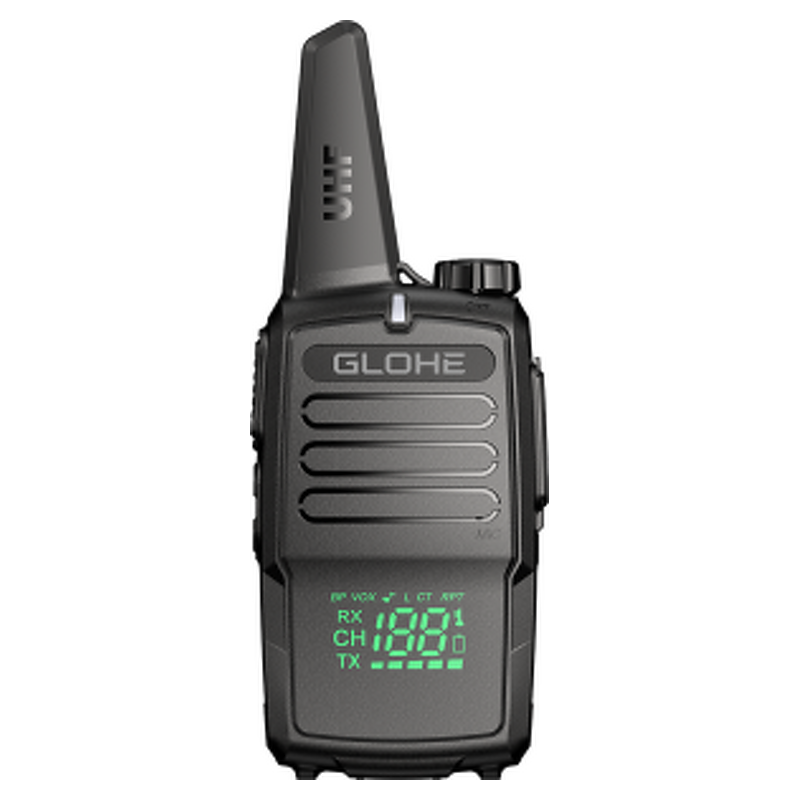
Insist on a scripted field test: defined distances, ambient noise levels, and duty cycles that mirror your shifts. Measure battery drop under continuous transmit, handover behavior in multi-repeater setups, and accessory interoperability. Have technicians perform firmware recovery and factory reset procedures to confirm repairability. Log every failure mode and require corrective commitments from suppliers before signing long-term contracts.
Final synthesis
Compare suppliers by outcome: which radio keeps people talking, stays running through a busy day, and returns to service quickly when it fails. Favor suppliers who publish test data, support local repairs, and align product claims with observed field results. That clarity is what separates vendors who sell radios from those who sustain communications. Trust practical evidence and documented processes—those are the strengths you’ll find reflected in partners such as GLOHE.