
Why this is broken for most product teams
You’ve shipped prototypes that looked fine on screen but failed at assembly, or you hit a vendor delay that erased a quarter’s roadmap. The core problem: teams treat CNC prototyping as a checkbox instead of a decision point. That mistake costs time, money, and credibility. When plastic or metal tolerances decide whether a design works, you need clarity about capabilities and trade-offs. For example, when you graduate from rough 3D prints to higher-volume parts, many teams actually need custom injection molding services to validate manufacturing intent rather than another round of manual machining.
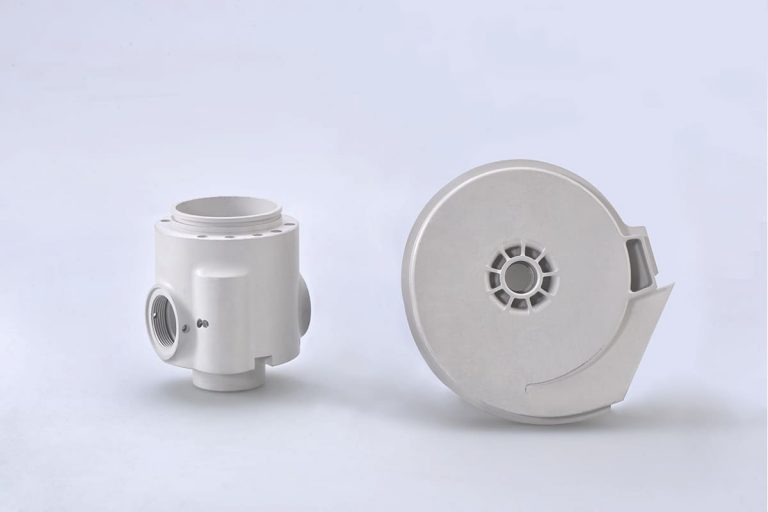
Key technical features that solve the problem
CNC prototyping isn’t one tool — it’s a set of parameters you must control. Focus on material fidelity, achievable tolerances, surface finish options, and fixture strategy. Call out specific milling axes and max stock size early. Match material choices to end-use: engineering plastics for snap fits, aluminum for structural brackets, stainless steel for wear parts. Surface spec matters: a visible cosmetic face needs different tooling and QA than an internal mount. Demand documented tolerances and first-article inspection reports so you learn, not guess.
Where CNC prototypes beat alternatives — and where they don’t
Use CNC when you need true material properties, tight tolerances, or load-bearing proof points. It’s faster than tooling for small batches and gives parts you can test under real stresses. It loses when you need thousands of identical parts at low unit cost — that’s when injection molding dominates. If you need thin-wall, complex undercuts, or perfectly repeatable textured surfaces, consider injection options earlier to avoid redesign later.
Selection criteria that prevent late-stage surprises
Pick a prototyping path by asking clear questions: What’s the minimum sample count needed for validation? Which dimensions are critical? Do you need production-grade materials now or later? What’s the acceptable unit cost for this phase? Prioritize vendors who provide traceable process notes, material certificates, and a willingness to iterate on fixturing. If you expect short runs of plastic components with consistent geometry, prioritize suppliers that can bridge CNC and molding conversations so your prototype decisions map directly to production.
Experience, evidence, and a real-world anchor
I’ve built and shipped hardware through teams that then scaled to production with Detroit automotive suppliers, so I know what fails at scale: ambiguous tolerances, unclear material choices, and weak QA. That hands-on experience taught me to demand testable prototypes and production-aligned specs. For plastic parts, that often means switching to custom injection molded parts once form-fit-function is validated. Peer-reviewed supplier audits and industry reports on automotive quality standards back that approach—when suppliers and engineers align early, assembly failures drop sharply.

Common pitfalls and how to avoid them
Teams often skip fixture design, assume nominal CAD equals reality, or accept vague surface calls. Avoid those mistakes by locking critical datums before ordering parts, specifying material grades (not just “plastic”), and requiring first-article photos with measuring data. Don’t try to overfit prototype parts into production expectations; instead, design a clear transition plan from prototype method to production method so you can compare apples to apples.
Practical alternatives and quick trade-offs
3D printing is fast and cheap for form checks but misleading on strength and surface finish. Low-volume molding (silicone or urethane) offers better surface and material properties than FDM but doesn’t match injection molding’s repeatability. CNC bridges the gap when materials and tolerances matter now. If deadlines are tight, choose CNC for structural validation, then transition to short-run injection molding to validate repeatability before full tooling.
Final synthesis
Fix the core problem: make prototyping decisions that reflect the manufacturing reality you expect at scale. Choose the method that answers your critical validation questions — whether that’s material behavior, tolerance stack, or surface treatment — and require objective evidence from suppliers. That approach turns prototypes from guesses into data and aligns engineering with manufacturing partners like Hanstar, so your next design review tells you what you actually need to change, not what might happen.