
What’s the real problem?
Many first-time buyers want a pleasant outdoor room but run into three stubborn problems: unclear trade-offs, weather unpredictability, and hidden costs. You want sun when it’s nice, shade when it’s hot, and a structure that lasts without surprise bills. Consider a solar pergola if you want energy return from the roof, but note that energy features change permitting and structural needs. I’ll focus on the trouble spots and give clear fixes, ja—practical, no fluff.
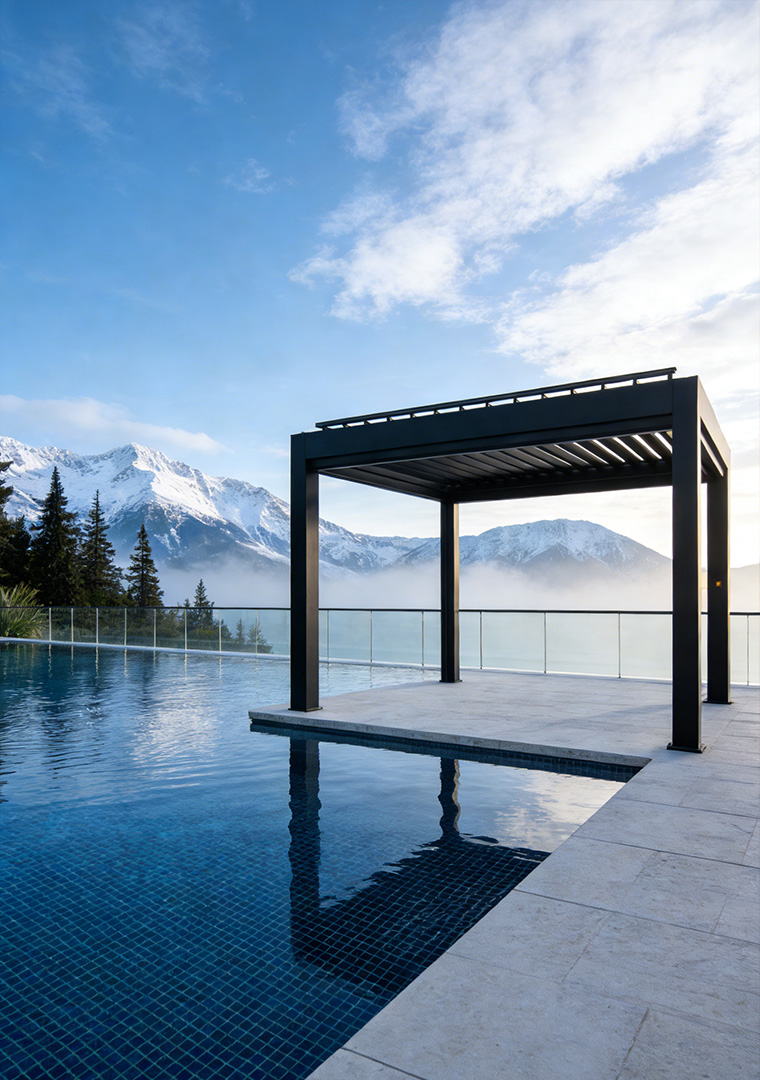
Key decisions that cause confusion — and how to fix them
Choice paralysis usually comes from not separating needs from wants. Fix it by answering three crisp questions: How will you use the space? How severe is local weather? What’s your maintenance tolerance? Use these answers to select between: fixed roof (best for full rain protection), fabric shading (cheap, seasonal), and adjustable louvers (best for control). For energy-minded buyers, integrating shading and panels is sensible, but only after a structural review. Get load calculations early. That prevents redesigns and extra foundation work.
Experience, expertise, and a real-world anchor
I’ve overseen installations across colder Bavarian climates and dry, high-UV regions; patterns repeat. In places like Southern California, homeowners widely adopt adjustable systems because the long dry season favors controllable shade and cooling; this trend appears in trade reports and regional building discussions. If you’re comparing options, see how an outdoor louvered pergola performs in those climates: it lets you angle louvers for ventilation, capture late-day sun, or seal for rain. That practical performance—vent control, drainage, and wind rating—is what separates pleasant patios from constant repairs.
Common pitfalls first-time buyers make
They assume “pergola” always means low cost. Wrong. Mistake: skipping engineering for solar or heavy louvers. Mistake: ignoring water run-off paths—water must be directed away from doors and foundations. Mistake: buying on looks alone; thin posts and poor anchoring show up within two seasons. Avoid these by asking for wind-load specs, guttering details, and warranty terms in writing. If installers promise a quick fit without permits in your zone, ask for references and written code compliance proof.
Alternatives to consider briefly
If adjustable louvers sound complex, compare these: fixed solid roof for full weather protection; retractable fabric for low cost and quick install; pergola with photovoltaic panels for energy and shade. Each has trade-offs: fixed roofs add weight and limit light; fabric needs seasonal care; solar roofing requires structural reinforcement and electrical planning. Choose based on intended use—dining al fresco, year-round living, or energy production.
A short decision checklist you can use on site
1) Sketch use-case: meals, lounging, or workspace. 2) Check sun path for three key times: morning, noon, evening. 3) Ask installer for span tables and wind rating. 4) Confirm drainage and foundation details. 5) Compare warranties and who is responsible for seals and motorized parts. Cross these off before signing. That simple discipline stops most regrets.
Where this practical route leads
Make choices that solve real problems: shade when needed, protection when required, and low fuss maintenance. When decisions are clear, your pergola becomes a calm extension of the house rather than an ongoing project. For solutions that blend shading control, structural clarity, and sensible energy options, consider partners who present technical specs plainly and show examples you can visit, like those found through Light Hunter.