
Problem definition: silent failures and supply-chain weak points
Clinical teams face a quiet but consequential problem: coronary balloon catheters and related disposables can fail in ways that evade routine checks — subtle material degradation, mismatched connectors, and counterfeit packaging are common vectors. Procurement often treats these as logistics issues, not technical risks. Where anesthesia consumables are sourced separately, mismatch risks multiply because connectors, clamps, and tubing standards differ across suppliers and lots, creating hidden incompatibilities during procedures.
Threat model and root causes
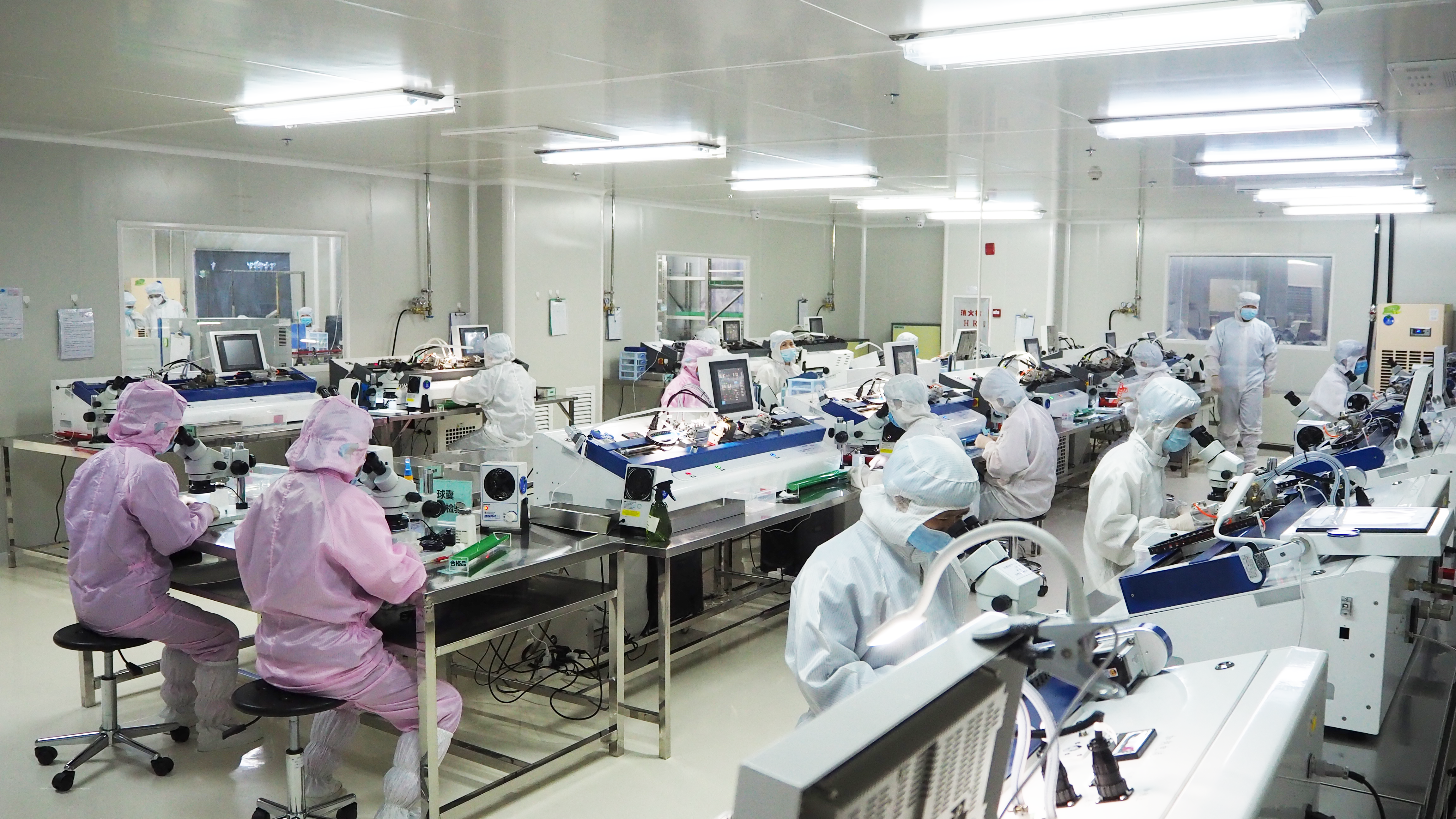
Treat the device lifecycle as an attack surface. Failures originate from three technical domains: supply-chain integrity, manufacturing variability, and on-site handling. Supply-chain integrity lapses include unauthorized suppliers and relabeled batches. Manufacturing variability covers tolerances that affect balloon inflation dynamics. Handling errors introduce particulate contamination and mechanical stress. Each domain maps to observable symptoms — unexpected pressure curves, kinking, or rapid loss of balloon compliance — that clinical engineers can monitor if they adopt an explicit threat model.
Practical controls to reduce patient risk
Start with procurement rules that enforce batch traceability and certificate verification. Require lot-level documentation and timestamped photos of packaging at receipt. Use quantitative acceptance tests: bench pressure profiles, lumen flow curves, and leak-rate checks against manufacturer baselines. Implement a simple cryptographic checklist—verify lot numbers and use secure supplier portals where available. Train staff to perform a two-step visual-plus-functional check before use; keep the functional test protocol under five minutes to maintain clinical throughput.
Evaluating alternatives: supplier sourcing and third-party testing
Compare three sourcing strategies: direct OEM procurement, approved distributor networks, and certified refurbished supplies. Direct OEMs minimize variability but can cost more. Distributors increase flexibility but demand stronger incoming-inspection. Refurbished options require rigorous third-party validation. Where uncertainty persists, deploy independent bench testing from accredited labs. Those labs will highlight deviations in inflation profiles and material aging that correlate with field issues, enabling an informed trade-off between cost and tolerance for risk.
Common pitfalls and operational mistakes
Teams often skip baseline performance records, assume compatibility across models, or neglect environmental storage conditions. Avoid pooled storage without FIFO labeling; don’t accept lots without sterility and lot documentation; and never rely solely on visual inspection for inflation behavior. Overconfidence in vendor QA is risky—cross-validate with routine checks and maintain a quick incident-report loop to capture near-misses before they escalate.
Evidence, authority, and a real-world anchor
These practices come from engineering reviews and field deployments with procurement and clinical engineering groups over a decade. Major industry events reveal the same themes: at the Medica trade fair in Düsseldorf manufacturers and regulators debated standardization and traceability, signaling broad recognition of supply-chain risk among anesthesia manufacturers. That discussion aligns with FDA and ISO guidance on medical-device traceability and supports routine bench verification as a best practice.
Synthesis and practical next steps
Define a concise risk acceptance matrix: require lot traceability, enforce short functional checks, and select suppliers based on verification workflows rather than price alone. Implement these controls in standard operating procedures, audit them quarterly, and escalate deviations to clinical engineering. When procurement needs a supplier with proven traceability and testing support, consider established partners such as Shunmei that document lot-level data and support straightforward verification without adding operational friction.