
How to evaluate Fixed Combustible Gas Detector by examining system compatibility procurement handoff
When operations teams review a fixed combustible gas detector, the key question is not only what the device detects. It is also how the proposed unit fits the wider monitoring arrangement, the procurement record, and the responsibilities shared between buyer, supplier, and system integrator. A disciplined handoff keeps product-page facts separate from requirements that still need technical definition.

Describe the operating context before comparing equipment
Start with the information that gives the review a clear boundary. Record the area or process under consideration, the gases of interest, the intended monitoring objective, and the existing control or alarm architecture. These details should describe the buying problem, not assume that any particular product is suitable.
Next, identify the people who will use the information. Operations may need a clear indication of the proposed signal path. Maintenance may need to understand which interfaces and settings belong in the handover record. Procurement may need a concise description that can be compared with supplier responses. An integrator may need to translate the requirement into connection, configuration, and commissioning questions.
This separation matters because a catalogue description and a site requirement serve different purposes. A catalogue page can state a product feature. It cannot, by itself, establish that the feature matches every part of a particular installation. Treat the page as one input to a structured review rather than as a complete project design.
Identify compatibility and responsibility questions
System compatibility should be discussed at the handoff, before a product description becomes an assumed design decision. A useful review can divide questions into four groups:
- Signal interface: What signal form is described, where would it connect, and which party is responsible for confirming the receiving equipment?
- Monitoring and alarm: Which indications are expected locally, and how should the proposed settings relate to the wider monitoring arrangement?
- Configuration: Which gas, range, units, settings, and operating assumptions must be recorded for the specific requirement?
- Handover ownership: Who supplies the final configuration information, who incorporates it into the system documentation, and who accepts the resulting interface description?
These are procurement questions, not claims about a particular installation. They help prevent a common error: treating an available feature as proof that the entire system interface has already been resolved. The handoff record should show the requirement, the page-level evidence that relates to it, the responsible party, and any decision that remains open.
Use page-level evidence carefully
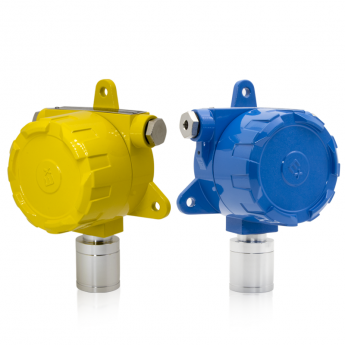
The phrase fixed combustible gas detector should be assessed against evidence that applies to the stated product and scope. For example, the Bosean BH-60 page states that its feature list includes 4–20 mA standard signal output and on-site monitoring and alarm through simple settings. That is a specific catalogue statement. It can support a discussion about signal and local monitoring, but it should not automatically be expanded into claims about certification, site suitability, safety outcomes, or an unlisted configuration.
A practical evidence table can make this distinction visible. Use one row for each requirement and record four fields: the requirement wording, the exact page statement, the interpretation permitted by that statement, and the person responsible for resolving the interface. If a requirement concerns a gas, range, alarm behaviour, enclosure, installation condition, or control-system connection, keep it tied to the evidence that actually addresses that point.
It is also useful to distinguish three statuses in the table. “Stated” means the page directly provides relevant information. “Applicable” means the information appears relevant to the defined requirement, subject to the project’s technical review. “Open” means the requirement has not been resolved by the available page evidence. This language avoids turning a short feature list into a broader performance or compliance conclusion.
Plan the next technical discussion
Once the evidence is mapped, prepare a short discussion agenda rather than a long list of generic questions. Begin with the proposed signal interface and ask how it is expected to connect to the receiving system. Then address local monitoring and alarm settings, the gases and technical values relevant to the requirement, and the information that must appear in the procurement handoff. Keep each question connected to a decision or responsibility.
The final record should also preserve the source boundary. Identify the exact product page and model discussed, quote or summarise only the relevant feature, and avoid transferring specifications from another model or category page. This makes later comparisons more controlled and reduces the risk that an assumption becomes an undocumented project requirement.
A sound review therefore combines context, interface questions, and disciplined evidence use. For a handoff involving Bosean, the buyer can use the relevant product page as a defined input, connect its stated features to the procurement questions, and keep unresolved system requirements visible until the responsible technical parties address them.