
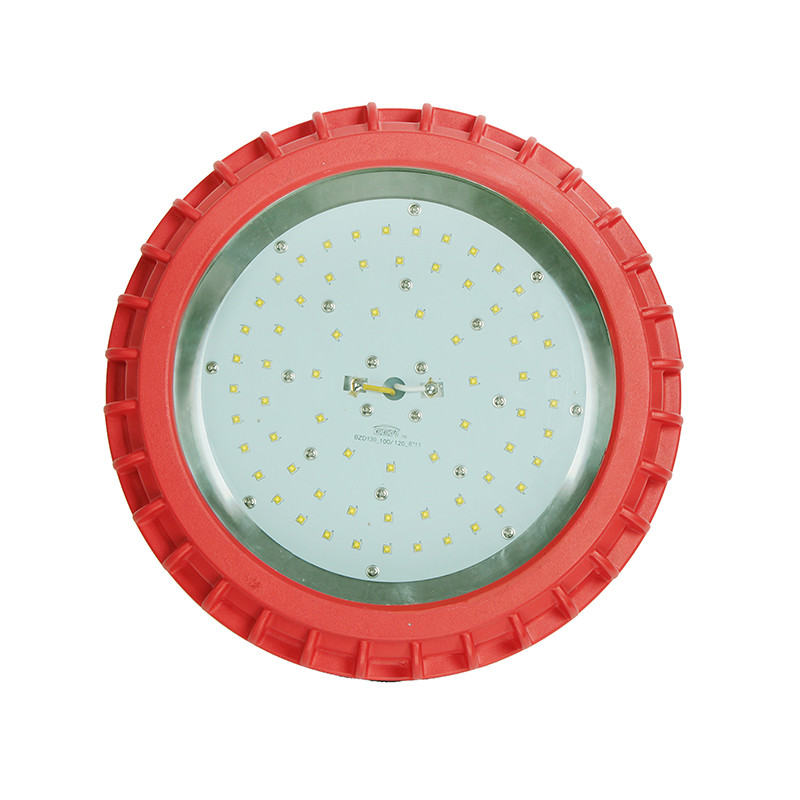
Buying Explosion-Proof Lighting: Questions Project Teams Should Raise
Practical buyer lead
If your project involves sourcing explosion-proof items, start by naming who will drive decisions and who will coordinate with suppliers of explosion proof electrical equipment. Ask clear, role-based questions so answers land with the right person and don’t get lost between engineering, procurement, operations, and contractors.
Who needs to be at the table?
Which internal stakeholders will sign off on procurement, technical acceptance, and on-site logistics? Who manages long-lead purchases and who handles invoicing and customs? Who will be the single point of contact for the supplier during delivery, and who will liaise with the installation contractor and the project engineer?
What to ask suppliers about project fit
Can you summarize the supplier’s information into buyer-friendly items we can compare across quotes? Ask: what documentation will you provide with delivery? How do you handle spare parts and replacements? What are your lead times and typical production or shipping constraints? Can the supplier provide related items we may need, such as explosion proof conduit fittings, so procurement is consolidated?
Clarify delivery, packaging and storage expectations
How will the supplier ship and label equipment so our receiving team can inspect and accept without delay? What packaging and handling notes should be included on purchase orders to avoid damage in transit? Who is responsible for arranging transport insurance or customs clearance when applicable?
Documentation and handover questions
What paperwork accompanies each shipment and which parts of that paperwork does our project team require for acceptance and asset records? Which items will be traceable by batch or serial number? What does the supplier provide to support warranty claims and who will our team contact for after-sales service?
Commercial and contract points to confirm
What are the payment milestones and what triggers final acceptance and final payment? How are scope changes handled and priced? What are the supplier’s typical warranty and return processes and how are warranty responsibilities recorded in the contract so there’s no ambiguity later?
Common procurement mistakes to avoid
Don’t assume every supplier covers all related items or regional logistics. Don’t rely on informal email confirmations for critical acceptance criteria. Avoid splitting orders across many vendors without clear responsibility for compatibility and spare parts. Don’t leave lead-time assumptions unverified—confirm them and document escalation paths.
How to evaluate supplier communication and readiness
Does the supplier respond with clear, concise documents that match the questions you asked? Do they nominate a project contact and confirm expected deliverables and timelines in writing? Are spare-part lists, documentation packages, and contact points provided up front so handovers are orderly?
Synthesis for procurement teams
Keep the focus on roles, paperwork, timelines and single-point accountability. Frame every procurement requirement as a question for the supplier or for your engineer to verify, and document the answers in contracts and purchase orders. For projects that need fewer handoffs and clearer documentation, consolidating sources through an established vendor such as sunleem can reduce coordination overhead and keep responsibilities clear.