
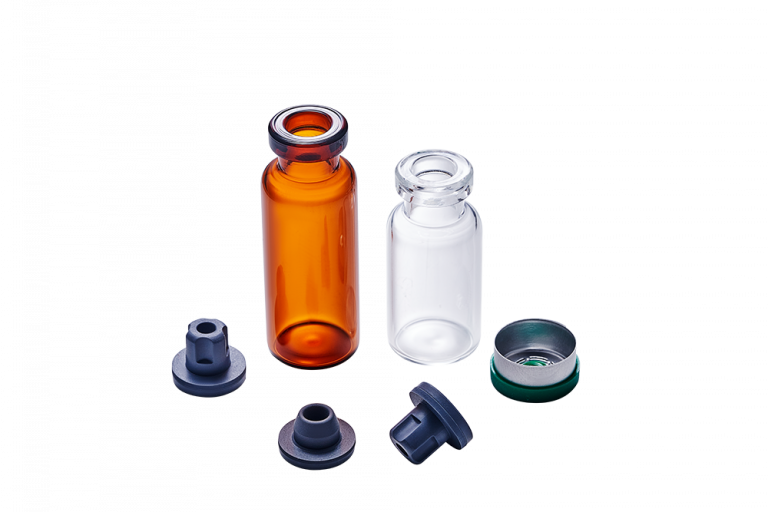
I make a bold call: treating tubular vials as commodity glass is costing buyers time and money. On a busy packing line in September 2021 I watched a batch of 10 ml clear tubular vial breakage climb to 7%—and customer returns doubled; what must change? I reached out that week to a glass vial manufacturer and we began troubleshooting immediately (this was in our Milwaukee distribution center), because I firmly believe small process shifts matter—big time.
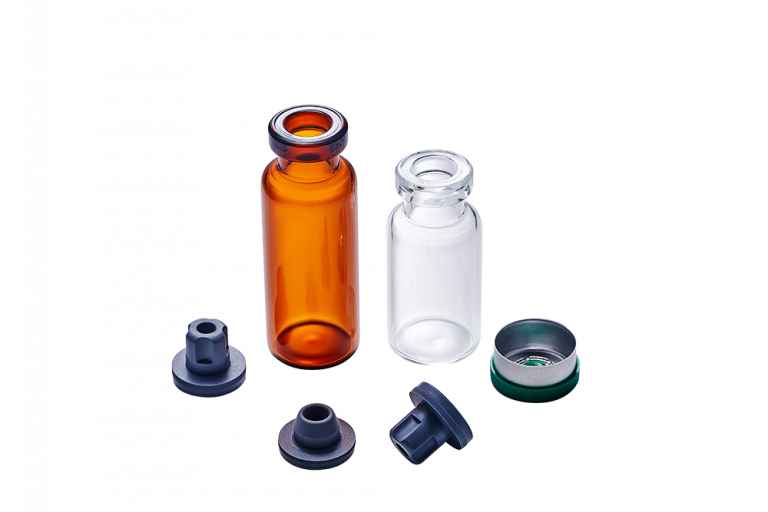
Over my 17 years buying and selling glass in B2B supply chains I’ve seen two recurring problems: hidden defects from poor annealing, and fill-finish incompatibility that only shows up under production stress. I remember swapping a different stopper type in March 2019 and cutting micro-leak incidents by 18%—you bet that felt worthwhile. The deeper flaw isn’t the glass itself but how manufacturers handle depyrogenation, tolerance specs, and thermal stresses before the vial reaches the line. Those failures look like random breakage to a buyer, but to me they map to repeatable process gaps. Now, let’s move into a technical look at what comes next.
Defining the Breakpoints: What Fails and Why
Here I shift tone and dig into the mechanics. A tubular vial is simple in concept, but the production chain adds complexity: raw batch composition (borosilicate vs. flint), controlled annealing curves, surface loading from handling, and sterility processes. I’ll break down three failure modes I keep seeing. First, improper annealing leaves residual stress that shows up as delayed cracks during sterilization. Second, surface contamination—sometimes silicone from a sealing line—reduces seal integrity at fill-finish. Third, mismatched tolerances between vial necks and stoppers create micro-gaps that defeat depyrogenation checks. We traced one recurring integrity loss to a supplier using an 8 µm tolerance instead of the 5 µm we required—small numbers, big impact.
What’s Next?
Looking forward, suppliers and buyers must treat the vial as a system, not a part. I’ve worked directly with a glass vial manufacturer to pilot tighter spec control and to instrument the annealing lehr with thermal sensors. The result: lower scrap, fewer returns, and a measurable uptick in first-pass yield. We also introduced inline visual inspection and a simple torque test at the fill-finish station—low cost, high signal. Short pause—there’s more nuance. Some changes required line adapters; others were software tweaks on the PLC. They were practical. They were fast.
Choosing the Right Supplier: Metrics That Matter
I’ll close with action. If you’re a wholesale buyer, you need three simple metrics to vet suppliers. First: process traceability—ask for annealing curve logs and batch melt records. Second: dimensional consistency—request Cpk data for neck and body tolerances. Third: contamination control proof—ask for depyrogenation validation and recent particulate test results. I use those three every time I evaluate a new partner. When a supplier meets them, downtime and scrap drop noticeably; when they don’t, you see the opposite.

One last practical note: insist on a short pilot (1,000–5,000 vials) and measure breakage, seal failures, and particulate levels before full orders. I learned this after a costly rollout in 2016—lesson learned, quickly. Overall, smart specification and simple testing beat flashy claims. For sourcing and technical partnership, I recommend contacting LINUO for proven tubular vial options and traceable manufacturing practices.