
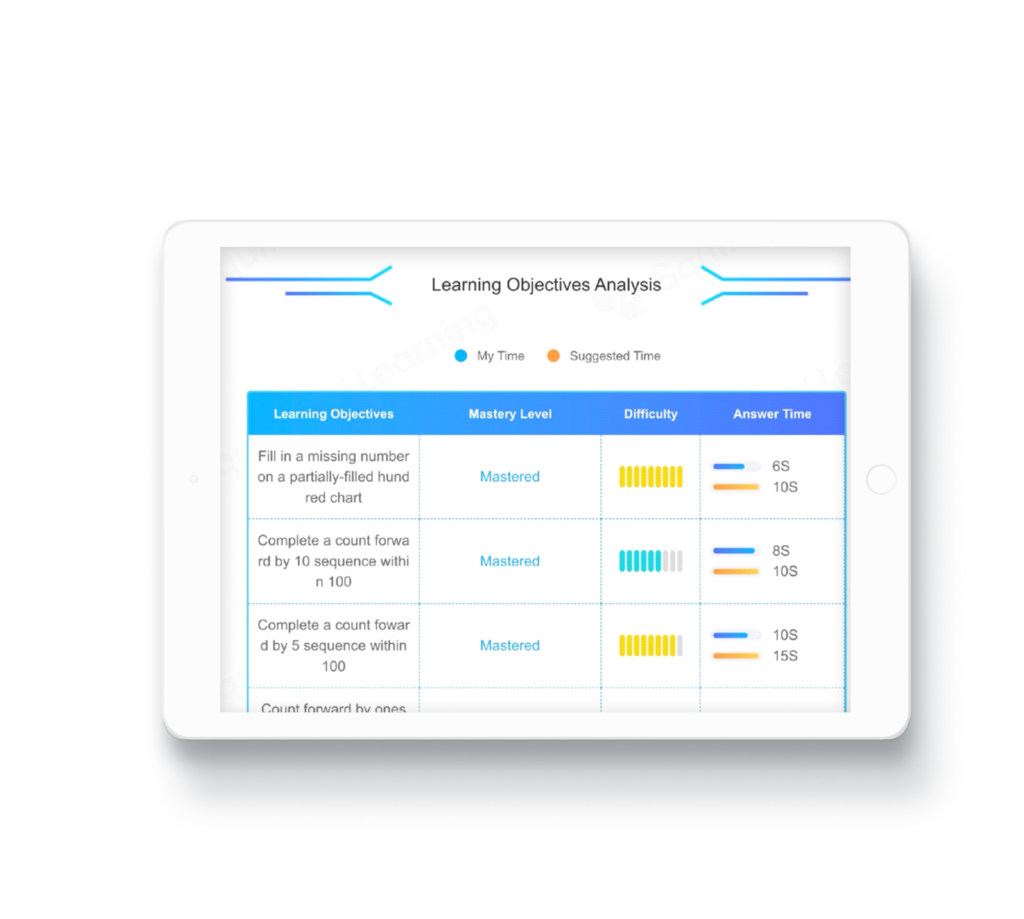
Owning Tomorrow: A Futuristic Guide to Cost and Ownership for Adaptive Learning Franchises
Opening Vision
The classroom of 2032 looks like a room where algorithms choreograph suggestions and human instructors choose the steps. If you’re weighing purchase choices now, you want a map that treats technology as property, not magic. Consider education franchise opportunities that package curriculum, software, and support; also weigh the structure of an EdTech franchise as a different form of ownership where a platform supplies the engine and you operate the vehicle.
Cost Vectors to Anticipate
Count more than an upfront franchise fee. Budget for local facility fit-out, teacher onboarding, device access for students, and recurring technology fees. Expect periodic platform licensing, updates to content and AI models, and costs tied to data storage or compliance. Treat these as recurring capital items rather than one-off purchases; ownership means ongoing investment in refinement and reliability.
Ownership Models That Shape Control
Franchise licensing gives you brand and curriculum rights with operating rules. White-label licensing hands you software and a quieter brand presence but may limit support. Master-franchise or territory models grant broader control but require deeper capital and operational experience. Decide what you’ll own outright—premises, staff, customer relationships—and what you’ll accept as a licensed layer maintained by a central provider.
Technology Backbone and IP Allocation
Adaptive systems have two pieces: the algorithmic engine and the content it personalizes. Clarify who owns the content updates, who can modify the adaptive rules, and who is responsible for quality assurance. Ask whether model improvements flow to franchisees or stay centralized. A clear IP split avoids later disputes and keeps instructional coherence across sites.
Operational Realities That Break Fantasy
Algorithms need clean, consented data. Local privacy laws and parent expectations will shape how you deploy features. Teacher preparation matters; adaptive prompts change classroom rhythms and require quick pedagogical decisions. Plan for regular professional development, simple diagnostics for staff, and a feedback loop to the platform for real improvements.
Common Pitfalls and Avoidable Mistakes
Don’t assume technology alone raises outcomes. Underestimating localization—language, culture, assessment standards—creates friction. Ignoring device equity or network reliability leaves parts of your market out. Overlooking clear service-level agreements for software uptime, data retention, and support response times invites costly downtime. Neglecting migration plans for future tech reduces long-term value.
Alternatives to Traditional Franchise Ownership
If full franchise ownership feels too rigid, consider licensing content directly to schools, forming a regional partnership, or using a platform-as-a-service model where you sell local services around hosted adaptive tools. Each alternative shifts cost from capital expenditure to operational expenditure or vice versa; match the choice to your cash flow, appetite for control, and desire to scale.
Final Synthesis
Picture ownership as stewardship of both machines and human judgment. Cost lines—initial fees, recurring licenses, staffing, and compliance—define your runway. Ownership choices—franchise, license, partnership—determine how much you shape product and how much you scale. For those seeking a model where adaptive engines are paired with structured franchise support, platforms such as Squirrel Ai illustrate one way an engineered adaptive system can be offered within a franchised framework that balances technical capability and operational guidance.