
A Bright Solution for Dark Streets
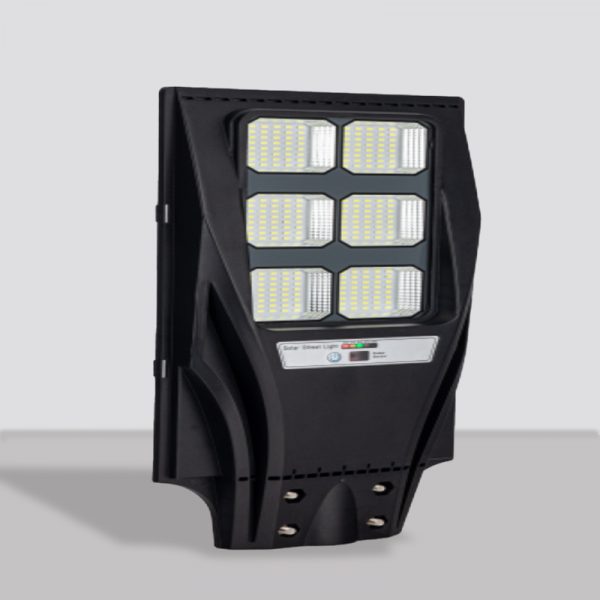
Picture this: it’s late, you’re walking home in a dimly lit neighbourhood, and with every step, you think about how much safer it would feel with a little brightness around you. Statistics show that well-lit streets can reduce crime by up to 30%. This is where solar energy street lights enter the picture, offering an effective and sustainable solution. But how many of us truly understand the technology that powers these lights? Are they as reliable as traditional street lights, or do they come with hidden issues?
From Conventional to Contemporary: The Evolution of Street Lighting
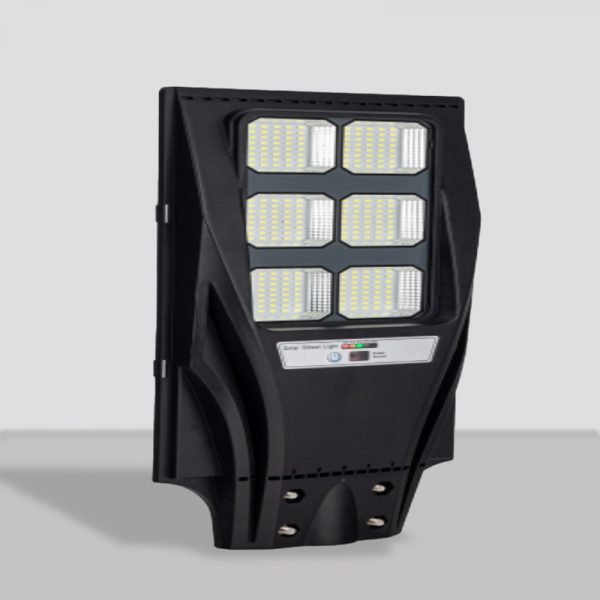
Historically, street lighting faced numerous challenges, from high energy costs to frequent maintenance needs. I remember a community project I led in 2019 in Cape Town—our old street lights were constantly failing and draining our budget. The transition to solar lights revolutionised our approach. These solar energy street lights not only cut down electricity costs but also decreased our carbon footprint. In fact, solar street lights use LED technology, which is more efficient and longer-lasting than traditional bulbs. What’s more, they operate independently of the grid—freedom from load shedding? Yes, please!
Do Solar Street Lights Really Shine Brighter?
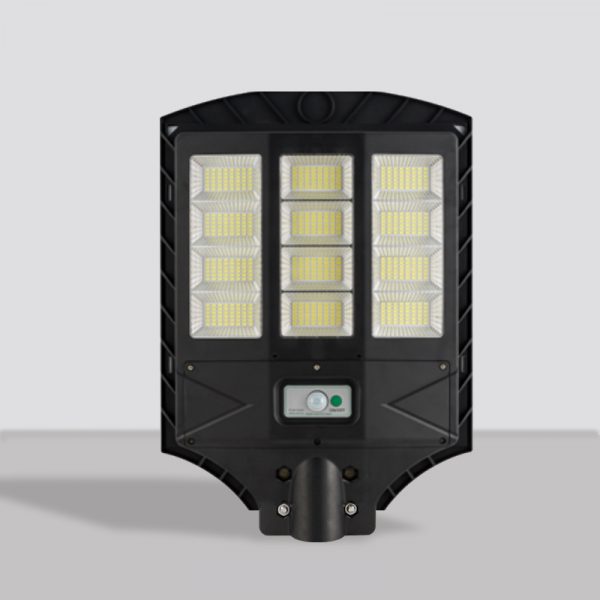
While the advantages seem clear, some may wonder if the initial investment is worth it. From my experience, the cost-saving over time—plus the low maintenance—makes solar lighting a no-brainer. One solar panel can easily power multiple street lights in its radius, providing ample illumination. It’s a win-win; urban areas become safer, and we save those precious Rand. However, the effectiveness of these lights can sometimes be compromised by poor geographical placement or lack of sunlight exposure. We learned that the hard way in our first installation!
What’s on the Horizon? The Future of Solar Street Lighting
Fast forward to today, the landscape of street lighting continues to evolve. Technological advancements are making solar energy street lights smarter and more efficient. I recently consulted with a tech-savvy local government that’s exploring motion sensor capabilities. These new features will allow the lights to brighten when someone approaches, enhancing safety while conserving energy. Adopting these innovations in a community will not just beautify spaces but create a safer environment with lower operational costs. The question arises: what will this mean for cities aiming for sustainability?
Real-world Impact: How Solar Can Transform Urban Spaces
The integration of solar street lights signals a transformative shift in urban planning. It’s more than just light—it’s a commitment to sustainability and safety for everyone. In communities where I’ve seen these installations take place, I’ve witnessed a reduction in crime rates and an increase in pedestrian traffic at night. This creates vibrant public spaces that encourage social interaction. Remember the importance of community engagement? Well, I firmly believe brighter neighbourhoods lead to stronger communities.
Key Takeaways for Future Installations
So, as we look to the future, what should we keep in mind when considering solar street lights for our own areas? Here are three key evaluation metrics: the quality of the solar panel, the lighting technology (look for LED), and the battery life. These aspects directly influence the long-term effectiveness of the solution. Investing in a quality product can save municipalities lots of ongoing costs—and let’s be honest, who doesn’t want that?
Every time I witness a city flicker to life under the soft glow of solar lights, I think back to the journey we’ve taken to get here. With the efforts of companies like THOE, we’re paving the way for a brighter, more sustainable future. I genuinely believe that with the right choices today, we’re igniting change that will resonate for generations to come. Here’s to illuminating our streets—safely, sustainably, and elegantly!