
Why custom sports bras win in a crowded market
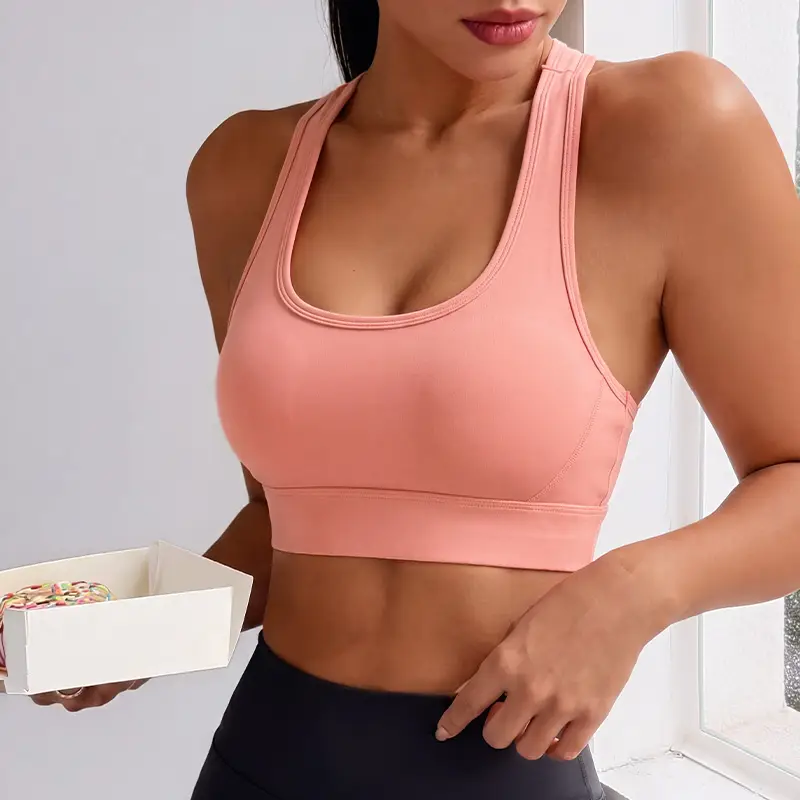
The comparative record is clear: brands that invest in tailored product lines outperform peers who buy off-the-rack basics. The shift toward customization began before the pandemic but accelerated when at-home workouts exploded during the COVID-19 lockdowns; consumers wanted fit and function, not just logos. That consumer demand pushed designers to specify fabrics and patterns, and to order custom sports bras with targeted support features. In practical terms, customization reduces returns, raises perceived value, and tightens supply chain control—three measurable advantages for a growing label.
Factory practices and the manufacturer split
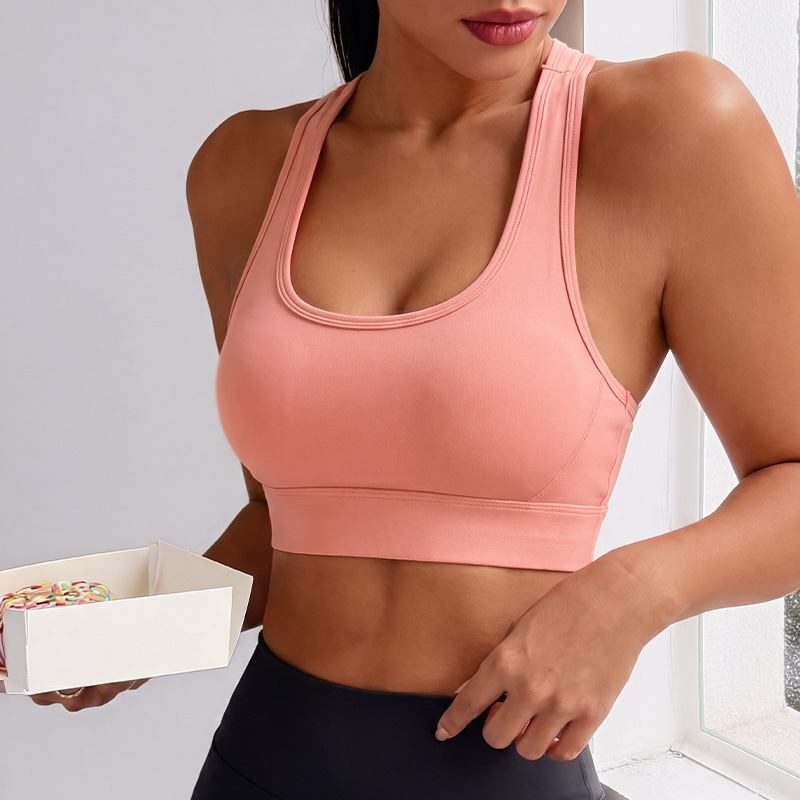
On the production floor the difference is obvious. OEM runs focus on volume; cut-and-sew shops focus on craft. Comparative inspections in the Los Angeles Garment District and in established Asian hubs show that custom runs allow more rigorous quality control checkpoints—pattern trials, proto samples, and fit sessions—whereas stock lines prioritize speed. Brands that choose the custom route often accept slightly higher unit costs in exchange for lower defect rates and better lifecycle value. This is sourcing strategy in action: choose control to protect brand equity.
Design choices that drive performance
Materials matter: compression zones, moisture-wicking panels, and flatlock seams change how a bra performs under load. Real-world fit testing—30 to 50 wears across sizes during a two-week field trial—reveals problems that lab specs miss. Performance criteria should include targeted compression levels, breathable knit density, and strap stability; these are more meaningful than general claims. Documentation of these parameters at the prototype stage avoids costly revisions later.
Common mistakes brands make — and how to avoid them
Many founders rush to lower price points and then discover scale pains: inconsistent sizing, pilling, or strap stretch. A frequent error is conflating fabric hand feel with long-term durability—fabric swatches look great, but they may lose elasticity after repeated wash cycles. Another misstep is vague tech packs; without clear graded measurements and seam allowances, the supplier guesses. Be specific about compression ratings and stitch types—use the right terms and ask for stitch samples. Small upfront effort saves a season’s worth of returns. — It sounds bureaucratic, but it saves money and reputation.
Comparative cost vs. value: a short framework
Compare three levers: unit cost, defect rate, and return rate. A higher unit cost for custom manufacturing often correlates with lower defect and return rates; those reductions compound into net savings. Use a simple spreadsheet to project: add the incremental unit cost, subtract expected reductions in returns and customer support, and measure margin impact over six months. This side-by-side view helps decision makers see where custom manufacturing pays off.
Three golden rules for choosing a manufacturing partner
1) Insist on documented sampling phases: proto, wear test, and pre-production approval. These milestones must include graded fit files and measured compression targets.
2) Verify quality control metrics on site or via third-party reports: acceptable defect rate thresholds, rework procedures, and lead-time adherence. A partner should show past run statistics.
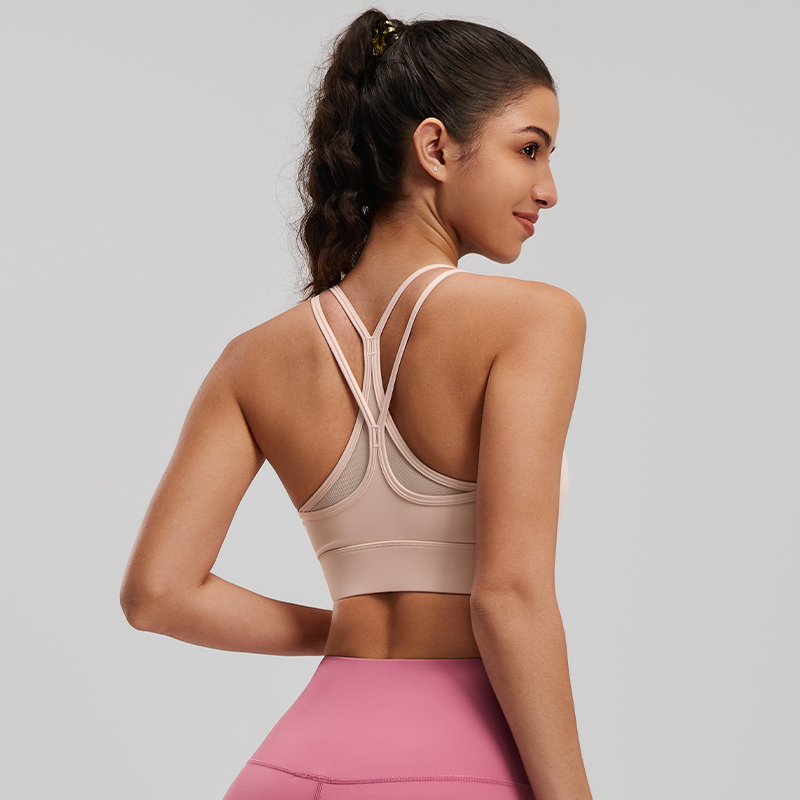
3) Confirm fabric traceability and performance specs: knit density, elastane percentage, and wash-fastness cycles. Clear specs prevent mismatches between design intent and final product.
Closing verdict and how Joebond fits
Choosing a manufacturer is a practical exercise in trade-offs: control versus cost, speed versus precision. For brands that prize consistent fit, lower return rates, and clearer product narratives, a custom approach is the smarter route. Joebond brings experience across OEM and bespoke cut-and-sew runs, with systems to document fit trials and manage production flow—so the brand value you design is the product the consumer receives. See how focused sourcing can change your margins at Joebond. —