

A Brief Scene, A Few Numbers, And One Big Question
Meetings fail first at the ear. The conference room speaker and microphone system sits in the middle, yet the far end hears chair squeaks, air-con hum, and that one voice lost in the corner. In many offices, people report that 30% of call time is spent asking “Can you repeat?” It feels small, but adds up over weeks, and it hurts the flow of ideas (không tốt chút nào). So the question is simple: if sound is the bottleneck, how do we fix it without making the room look like a studio?
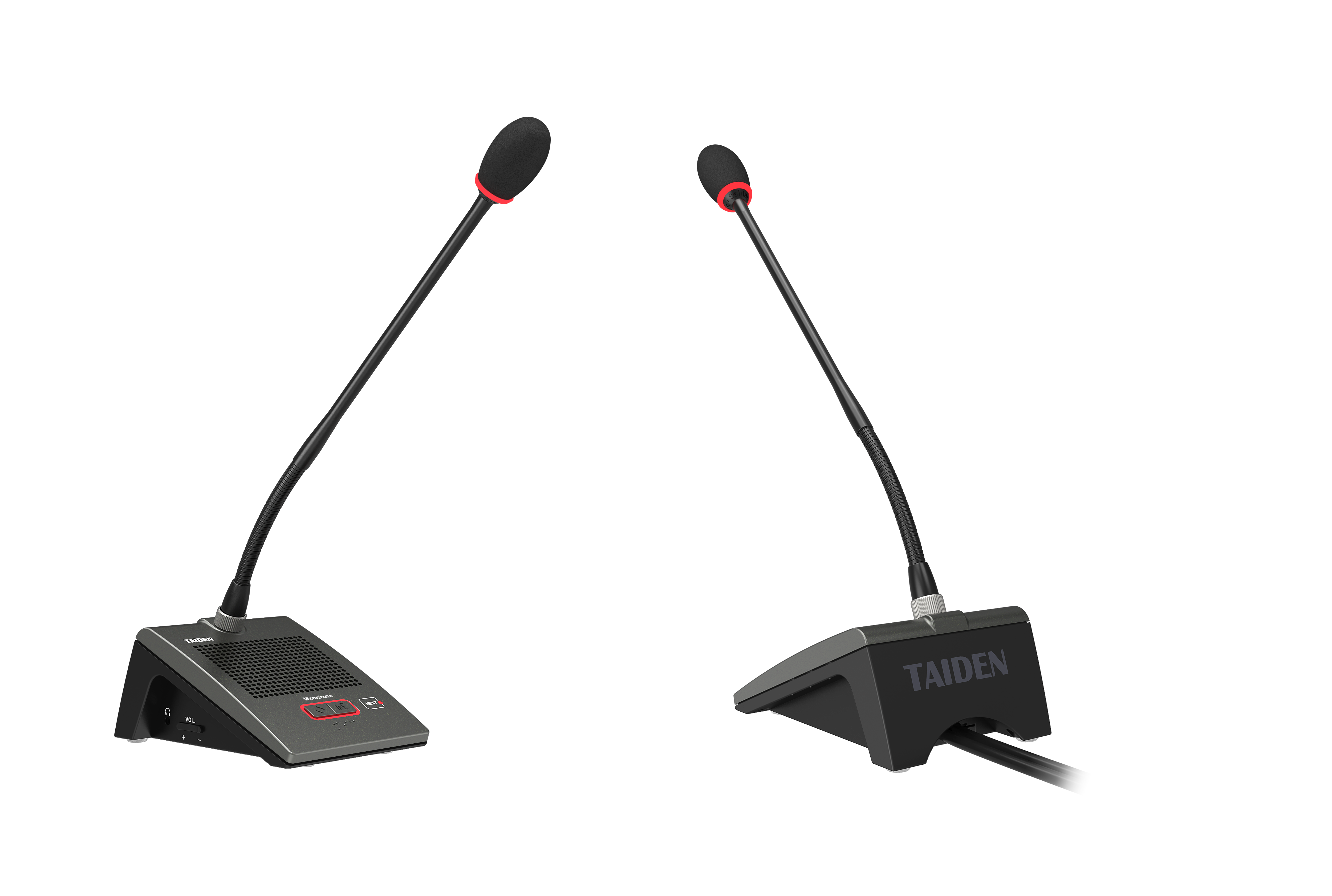
In real rooms, beamforming, DSP, and AEC should carry the load. But the room fights back. Glass walls reflect. HVAC adds a steady noise floor. Laptops ring and chirp. The result is fatigue. People stop speaking up. They go quiet, even when they have good points. Are we stuck with that, or can smarter audio change the story—now? Let’s move from frustration to clarity in the next section.
Under the Hood: Why Old Setups Keep Missing Voices
Where do legacy systems fall short?
Start with the mic. A conferencing microphone is not just a pickup; it is a sensor system. Legacy units rely on fixed polar patterns and noise gates. In a real room, that means voices off-axis drop out, and soft talkers lose syllables. Look, it’s simpler than you think: if the mic cannot aim, the DSP cannot separate speech from noise. Then AEC works harder, and talkers feel delay. Add long analog runs, power converters near cable trays, and you get hiss from ground loops—funny how that works, right?
The chain matters. Poor gain structure raises the noise floor, so gate thresholds clip words. Non-synced devices add latency, and double-talk performance jumps around. Without proper clock synchronization across edge computing nodes, beamforming gets smeared. Old mixers struggle with adaptive filtering when speakers sit close to table mics. You hear echo or comb filtering. And when RF shielding is weak, laptops and Wi‑Fi spill into the audio path. The result: more “sorry, could you say that again?” and less trust in the room. That is the hidden cost you feel every day.

Comparing the Next Wave: Smarter Audio That Learns the Room
What’s Next
New systems take a different path. They treat the room as data. Array microphones map talker location in real time and steer beams with adaptive lobes. The DSP runs multiband AEC, dereverberation, and auto-mix with priority rules. Instead of fixed gates, it uses probability masks that decide which voice is active now. When the conference room speaker links over IP audio with the mic array, the return signal is time-aligned. That keeps end-to-end latency tight. And because devices are powered by PoE, you simplify install and reduce failure points. It feels modern because it is—less gear, more logic.
On the device side, a smart digital meeting device coordinates profiles. It knows when the room is a board meeting, a hybrid workshop, or a press briefing. It adjusts beam width, loudness, and echo cancellers on the fly. Think of it like lane assist for voices. It keeps the speaker tracking clean while rejecting key click noise from laptops. In trials, rooms moved from muddled speech to STI scores above 0.65. People talked at natural levels. Meetings ran faster, and follow-up emails got shorter—funny how that works, right?
So what should you check before upgrading? Use these three metrics as your compass. First, intelligibility: target STI ≥ 0.60 in your real room, not just the lab. Second, latency: keep total round-trip under 50 ms to avoid talk-over and awkward pauses. Third, coverage and headroom: verify beamforming coverage maps and maintain at least 15 dB signal-to-noise ratio at the farthest seat. If a vendor cannot show these in a simple report, keep looking. Knowledge saves budget, and your team’s energy too. For more on integrated approaches from a long-time player, see TAIDEN.