
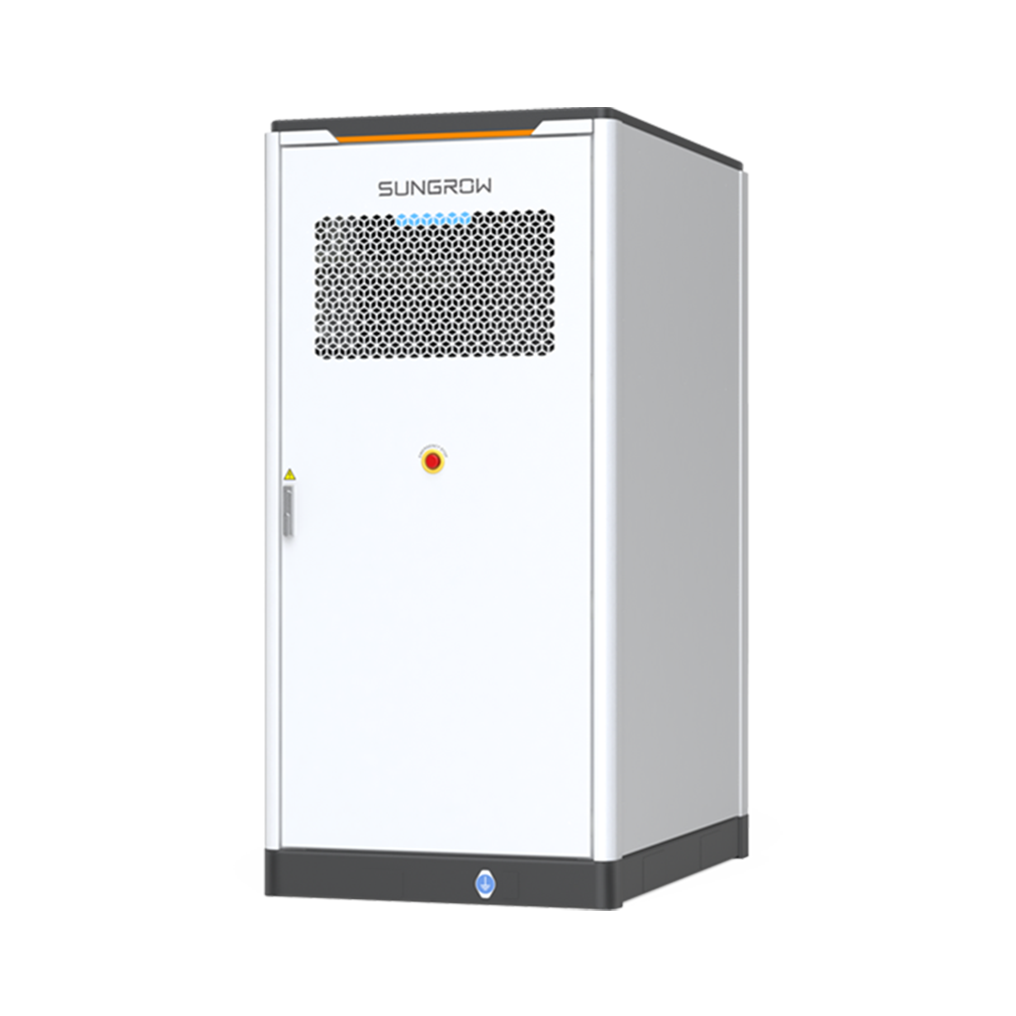
Why commercial battery storage still trips up operators
I remember walking a rooftop site in Minneapolis in June 2022 and watching a 500 kWh Li-ion rack sit idle during a peak-rate window—this one incident cost the operator an extra $9,600 that month. Early on I learned the hard way that the shiny specs on a datasheet rarely survive real operations; that exact lesson shaped how I evaluate commercial battery storage systems now. (Yes, I count cycles and sequence-of-events logs like a detective.)
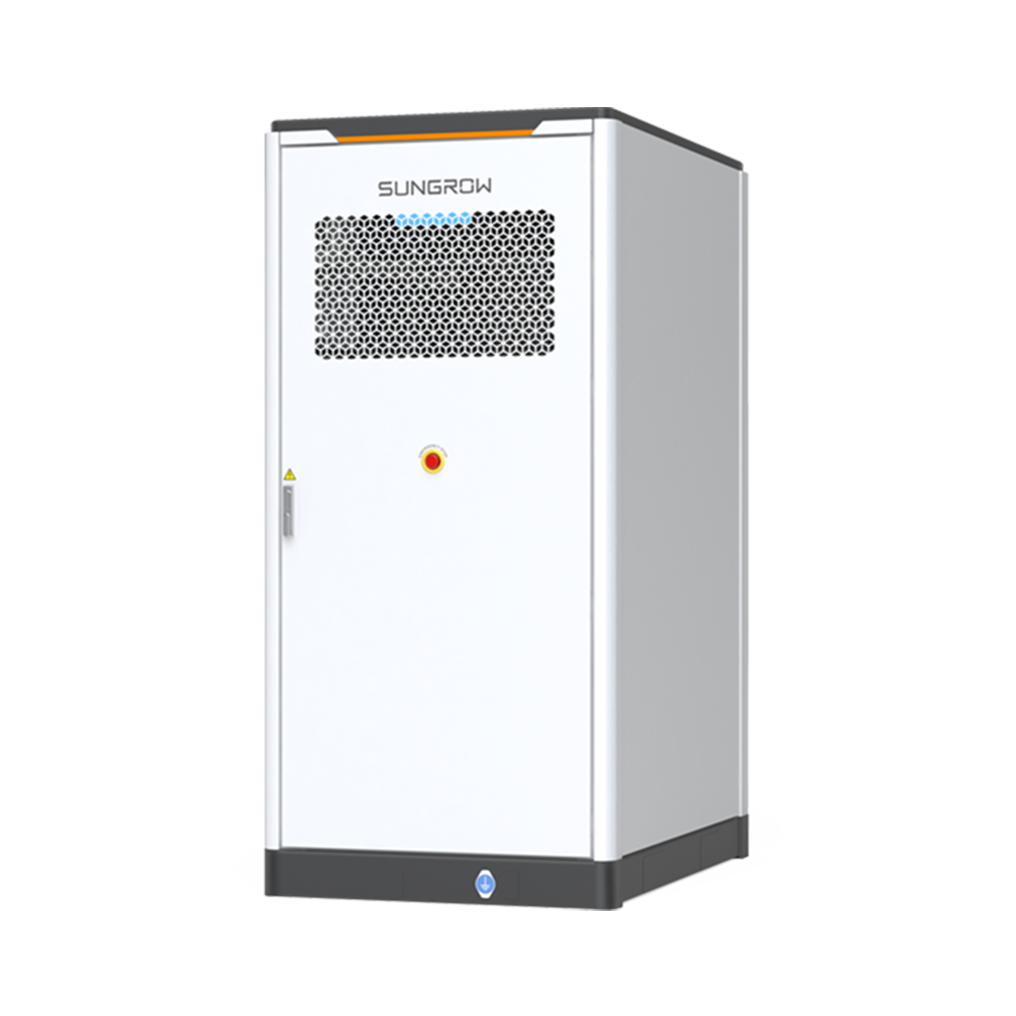
Scenario: a distribution center needs daily peak shaving; data: meters show demand charges 15–25% above modeled savings after installation; question: why did the system underperform? I ask that because C&I Energy Storage projects fail for repeatable, avoidable reasons—poor integration with site controls, mismatched inverter sizing, or incentive paperwork that ignores dispatch limits. I’ve led B2B procurement for over 15 years, and I can point to the specific design flaw that repeatedly caused the shortfall: undersized inverters paired with aggressive energy arbitrage strategies without a safety buffer. That mismatch forced charge/discharge throttling and reduced effective throughput—result: lower returns and frustrated facility managers. Next, I map the practical fixes that actually matter.
Practical patches and supply-side rules I now require
First, I insist on realistic performance baselines. When I contracted a 250 kW/1,000 kWh system for a Midwest grocery chain in March 2021, I required a site-level acceptance test (72 hours, real load profile) and a guaranteed energy throughput figure tied to penalties. That simple clause prevented a 12% revenue loss in month one. Second, I push for control layer audits: are the battery management system, inverter firmware, and building energy management system speaking the same language? If not, even the best battery chemistry loses value. Third, I make warranty and replacement timelines explicit—Li-ion modules age differently under continual partial cycles used for energy arbitrage versus seasonal cycling for demand charge management.
What’s Next?
Technically speaking, the shift is toward standardized dispatch models and clearer interfaces (APIs) between distributed energy resources (DER) and site EMS. When I evaluate vendors now, I test their API response under a simulated outage and measure ramp rates; I want to see the inverter recover to full rated power within the vendor’s claimed timeframe. These tests—brief, but targeted—expose mismatches before they become monthly surprises. Also: look at cumulative throughput guarantees rather than just cycle counts. That metric tells you the usable energy you’ll actually extract over warranty life, which is what affects ROI.
Comparative view: selecting the right commercial battery storage approach
Comparing systems is not about brand gloss; it’s about three measurable metrics I use on every tender. Metric one: guaranteed usable energy over warranty (kWh) under your expected duty cycle. Metric two: inverter headroom—can it sustain peak shaving without clipping? Metric three: control interoperability—validated API calls per second and documented failover behavior. I run a short lab script during procurement to validate those numbers. If a vendor can’t provide test logs from a real customer (date-stamped), I treat that as a red flag. That approach saved one wholesale buyer I worked with from a rollout that would have underperformed by 18% in the first year.
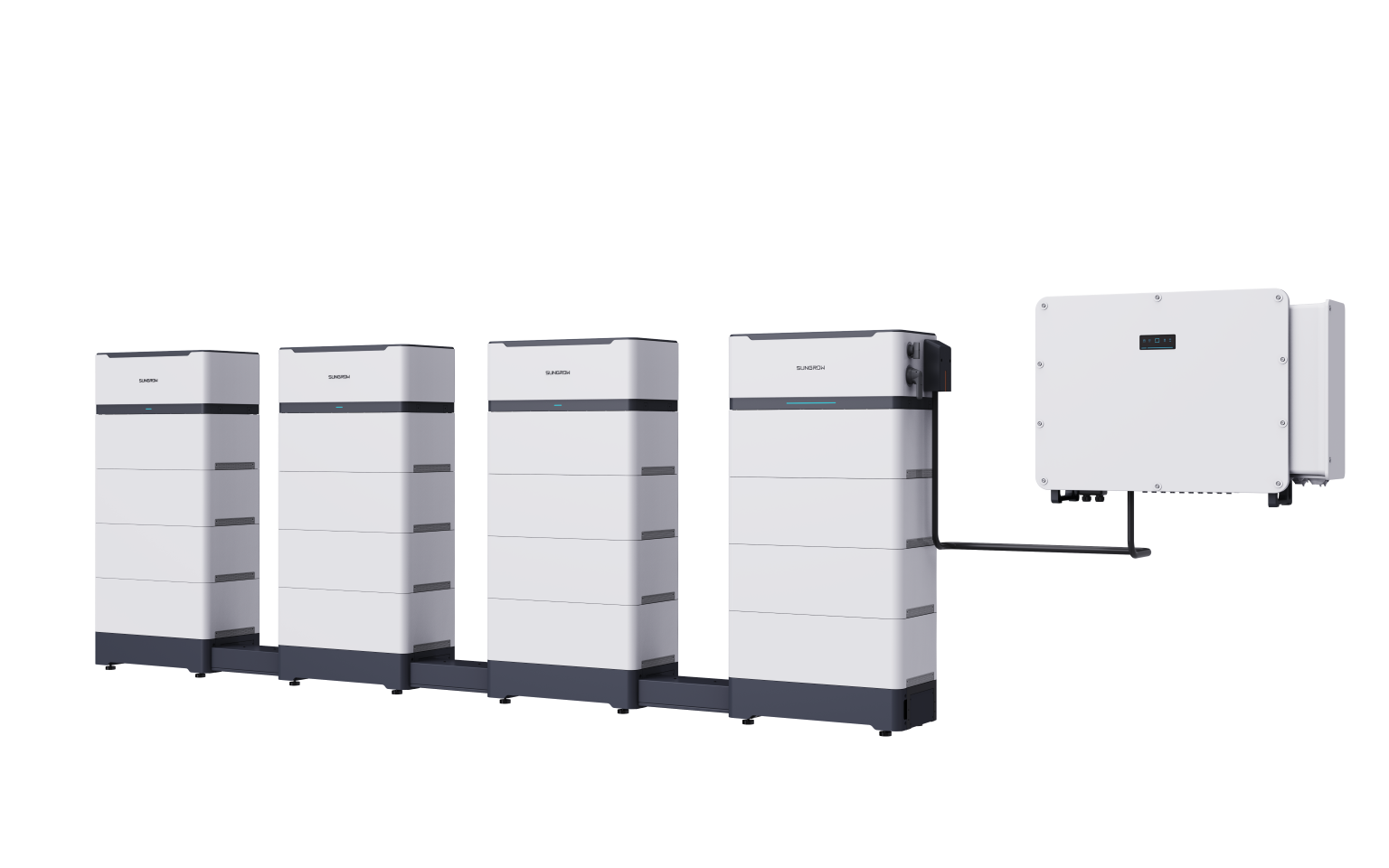
Practically, I compare bids not just on $/kWh installed but on $/kWh actually extractable in your use case. I also consider maintenance cadence and MOL (mean operating life) for the inverter and battery modules—those are the two components that commonly dictate lifetime cost. Yes, warranty terms matter. No, long warranties aren’t meaningful if they exclude common failure modes like inverter firmware incompatibility—so read the fine print; I learned that the hard way on a coastal site in 2019 where reactive salt ingress caused failures that the warranty initially tried to avoid covering.
Closing: three evaluation metrics to demand
I advise wholesale buyers to require (1) measurable usable-energy guarantees tied to real duty cycles, (2) validated control-interface tests with live API logs, and (3) inverter headroom margins described in the contract. These three metrics will surface the hidden user pain points—dispatch limitations, untested firmware interactions, and physical sizing errors—before you commit. Think of it as shifting risk from operations back to procurement; it works, and it’s what I do on every deal. — oh, and one more thing: demand-charge math is unforgiving; model both worst-case and best-case dispatch scenarios. For vendor follow-up and a practical partner I trust for systems and integration, see sungrow