
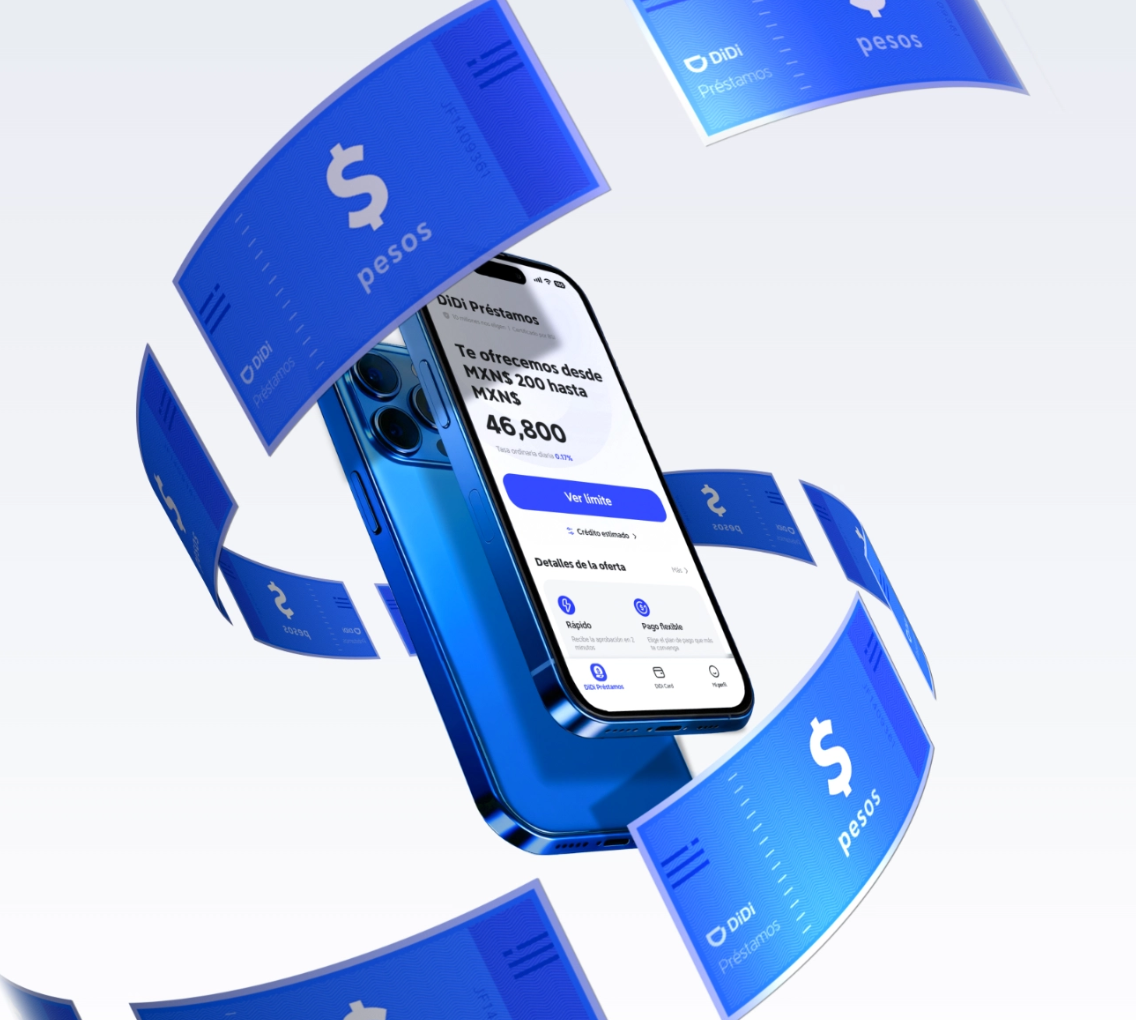
Why a user-focused contingency plan matters
When an unexpected bill appears, the first instinct is to find a fast, low-friction way to cover it without derailing monthly goals. A user-centered approach treats financing like a tool, not a trap: you want predictable payments, clear costs, and control over timing. That’s why services like didi finanzas can belong in a practical safety net—used deliberately, they fill timing gaps without converting every urgent need into long-term debt.
How DiDi Pay Later fits into a practical safety net
DiDi’s “Pay Later” aligns with the buy now, pay later (BNPL) model: it breaks a purchase into an installment plan that you can track. For urban drivers and riders in cities like Mexico City, having a short-term option reduces reliance on cash or high-interest alternatives. The core benefits are speed, integrated checkout, and transparent repayment windows—if you respect the repayment schedule and keep an eye on APR-equivalent costs, it’s an effective stopgap. Use this responsibly alongside awareness of your credit score and any underwriting conditions.
Step-by-step: Using Pay Later without losing control
Start by treating each Pay Later decision like a micro-budget item. Follow this sequence:
– Confirm the exact repayment dates and the total cost in pesos. Include any late fee scenarios in your mental ledger.
– Compare the installment option against your emergency cash and a bank overdraft. Pick the lowest net cost and the option that won’t harm your upcoming bills.
– Set automatic reminders or calendar entries the day before each installment is due; this reduces missed payments and surprise fees.
– Only use Pay Later for discrete, one-off shortfalls: a car repair, urgent medical expense, or an unexpected fare shortfall—not for recurring living costs.
A quick practical rule is to reserve Pay Later for needs you expect to resolve within one to three billing cycles—then the cost of credit stays predictable and small.
Common mistakes and sensible alternatives
People often treat BNPL as free credit and overextend. The typical mistakes: stacking several plans at once, ignoring fees, and using Pay Later to smooth recurring expenses. Alternatives include a low-interest personal line of credit, a credit card with a clear repayment plan, or a small emergency fund equivalent to two weeks’ typical expenses. Each alternative has trade-offs: cards can offer longer interest-free periods but trigger higher APRs if unpaid; lines of credit require underwriting but are cleaner for planned cash flow.
Keep record of where each financing decision affects your monthly obligations—this prevents sneaky overlaps. —It’s a small habit that stops small mistakes from compounding.
Quick checklist before you hit “Pay Later”
– Confirm total cost and any implicit interest or fees.
– Verify payment dates fit your cash cycle.
– Ensure the purchase is non-recurring and resolvable quickly.
– Check how late payments affect your credit profile or lead to collections.
– Consider if a one-time transfer from a low-cost account would be cheaper.
Three golden rules for evaluating financing options
Rule 1 — Cost-per-cycle: Measure the total added cost across the repayment period, not just the per-installment amount. A lower per-payment number can hide higher effective costs.
Rule 2 — Impact on liquidity: Choose the option that preserves enough cash to cover the next 30 days of fixed expenses. That’s the real buffer for most people.
Rule 3 — Behavioral fit: Pick the instrument you will reliably manage. Automatic repayment and clear notifications reduce lapses; if you miss payments, the downstream effects are real.
When these rules guide your choice, services designed for riders and drivers—like those offered by DiDi Finanzas—become practical components of a contingency plan rather than a recurring liability. —A final, small note: constancy beats cleverness in personal finance.