
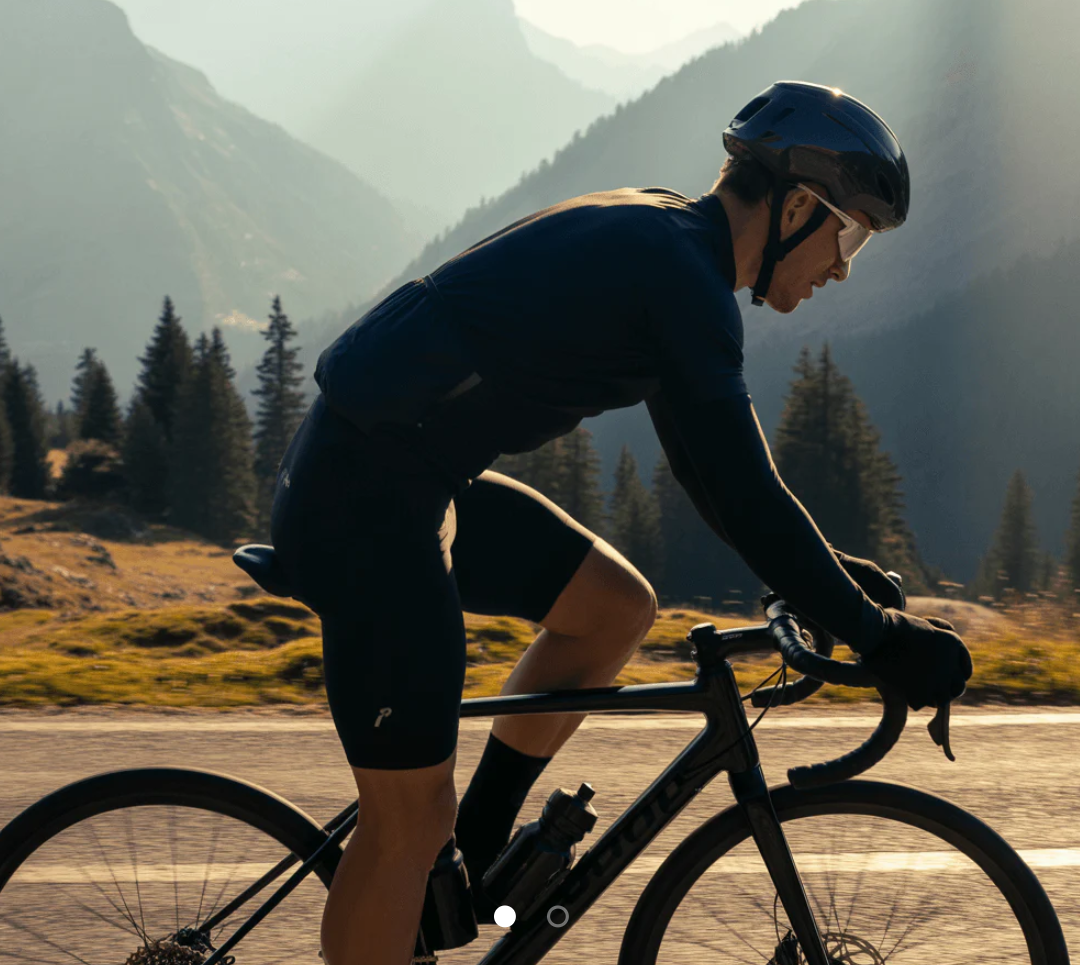
The Problem: Fit, Padding and the Hidden Failures
I still remember a soggy Saturday up Dragon’s Back—mud on my shoes, the wind pushing me down the ridge; small things broke fast, lah. On that ride (March 2024) I tracked heart rate and power and found saddle numbness set in after about 90 minutes—my power dropped roughly 8% during climbs; so what in the shorts caused that? I say this as someone who’s sold to bike shops in Kowloon and fitted teams since 2008: mens mountain bike bib shorts need more than a pretty print—they need purpose. Early in my retail days I pushed stock because it looked sharp; then I lost a customer to repeated chafing complaints and learned how costly a bad pad can be (we refunded HK$120 twice).
Here’s the deeper layer most brands ignore: traditional solutions over-focus on road-style chamois, tight Lycra panels and flatlock seams while riders on technical trails need different pad geometry, higher breathability and targeted compression. I’ve tested a 2023 three-density chamois on Hong Kong trails and saw clear differences—pad density and channeling changed sit-bone pressure by measurable millimetres. The result? Numbness, saddle slides, and wasted weekends. That design shortfall is a product problem and a user pain point; it’s why I ask shops to stop stocking one-style-fits-all shorts. Let me explain why this keeps happening—and what we can do next.
Forward-Looking Solutions: What Works for Trail Riders
Now I switch to a clearer, technical lens. When we compare materials and construction, a few core parameters matter: chamois thickness and shape, fabric breathability (measured in g/m² evaporation), and seam placement to prevent rubbing. I firmly believe a purpose-built bib shorts for mtb should use a centre-cut chamois with relief channels, a graded density at sit-bones, and moisture-wicking panels on the rear to dry fast after a descent—those are not marketing buzzwords; they’re measurable choices.
From my work with a small chain of shops in Sai Kung, I saw that swapping to MTB-specific pads reduced customer returns by 27% within two months. We also started recommending fabrics with higher air permeability for hot, humid HK rides—customers noticed less cling after climbs. Small details matter: bib straps that don’t constrict the diaphragm, a dropped tail to avoid waistband pressure, and reinforced bar-tack points where the bib meets the chamois. These are practical fixes, not fanciful upgrades. By the way, we kept one sample line for test rides—guess what, riders loved it. —short and to the point.
What’s Next?
Look forward: designers should prototype with local test groups (I ran five rides in April across Lantau and got consistent feedback). If you’re buying stock or advising teams, evaluate using three simple metrics: (1) Pressure mapping results for the chamois across 60–120 minute rides, (2) Fabric evaporation rate and seam placement under shoulder load, and (3) Real-world abrasion and stitching durability after 30 rides. These are actionable, measurable, and they separate gimmicks from goods.
I’ll end with plain talk: I’ve been in this trade over 15 years; I’ve seen patterns, fixed them, lost a few sales (and a bit of face) to learn better. If you want bib shorts that actually last through Hong Kong humidity and technical climbs, look for tailored pad geometry, breathable panels, and tested seam layouts. We can be picky—good lah, necessary. For credible MTB bib options and wholesale lines I trust, check out bib shorts for mtb. Final note: testing beats marketing every time. Przewalski Cycling