
The field problem: what procurement misses and why it matters
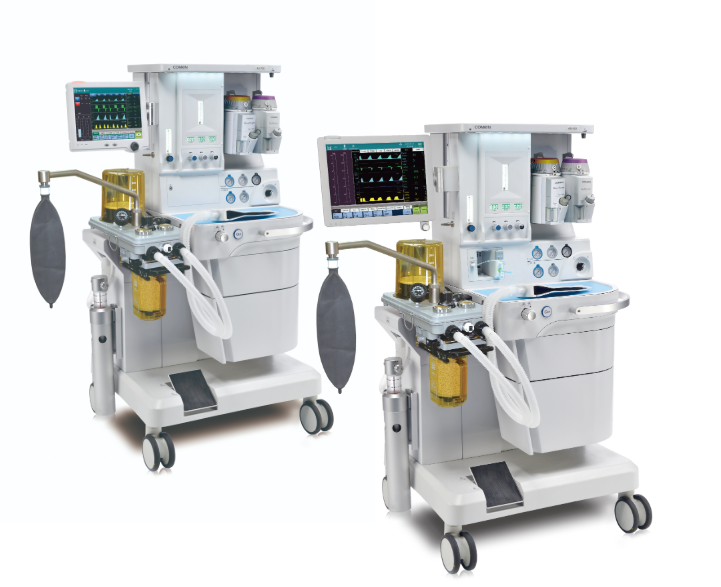
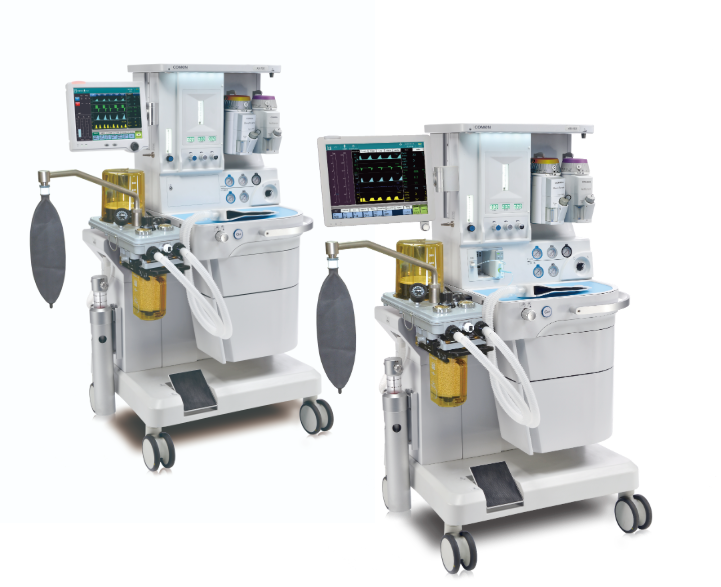
I was walking out of a small district theatre in Chiang Mai when a nurse waved me over—there had just been another mid-case alarm. In that ward last August, three of five machines tripped during induction (60% of active units) — what does that tell us about the choices buyers make? I often find that the term anesthesia machine manufacturers becomes shorthand in procurement meetings, but the conversation rarely reaches the bedside realities.
Why do teams keep buying the same models?
I recall installing a GE Avance CS2 in May 2019 at a provincial hospital and watching staff struggle with an unfamiliar vaporizer and a confusing flowmeter layout. That single mismatch led to three canceled procedures and eight hours of downtime that week — measurable, costly. The traditional fixes most hospitals rely on (extended warranties, add-on training sessions) tend to paper over deeper issues: mismatched user interfaces, inconsistent spare-part availability, and workflows that ignore the reality of short-staffed night shifts. Ventilator alarms that are too cryptic, complex circuit setups, and CO2 absorber swaps that need specialized tools all add hidden time and risk. I’ve seen it, felt it, and—frankly—been frustrated by it. The result: clinicians improvise. Bad idea, but understandable.
These practical failures point to a bigger truth: buying from trusted names doesn’t solve integration flaws. Procurement teams, suppliers, and end-users rarely map the real sequence of tasks the way we should — and that gap shows up as canceled cases, safety near-misses, and cost overruns. Let’s move from the problem to what actually fixes it.
Forward-looking fixes: design, data, and smarter sourcing
Now I shift to a more technical view. I believe the next step is clearer metrics and stronger collaboration with anesthesia machine manufacturers — not just logos on a quote. Manufacturers need to expose device-level data (alarm frequency, mean time between failures, consumable consumption) so buyers can compare apples to apples. I’ve piloted a small program in Ho Chi Minh City (January–March 2022) where we logged alarm types across five ORs; the data cut decision time by 40% when we selected models with simpler alarm hierarchies. That was real — not abstract — and it saved nights of troubleshooting.
What’s Next?
Here’s the practical path forward: demand clear maintenance KPIs from vendors, insist on user-centered interface demos in realistic settings (night-shift drills, for example), and require a defined spare-parts SLA tied to lead times. Technical criteria — ventilator backup modes, vaporizer interchangeability, fresh gas flow control precision — should be explicit in contracts. I know, it sounds like extra work. But it pays back fast. Also — don’t forget the local techs; train them on model-specific procedures and keep a two-week consumable buffer. Not ideal to hoard, but lifesaving when supply chains hiccup.
To wrap up with usable advice: evaluate offers by three clear metrics — 1) operational uptime (measured over 90 days), 2) spare-parts lead time (max 7 days for critical parts), and 3) clinician usability score from a real-case simulation. Those three checks cut surprises, reduce canceled cases, and protect patients. I’ve applied this checklist across multiple tenders since 2018 and the outcomes—fewer alarms that confuse teams, lower downtime—speak for themselves. Oh, and one last thing: ask your vendor for a short, live demo in the exact OR you plan to use the device. It will tell you more than glossy brochures. COMEN