
A Gentle Start: Why Your Basket Choice Matters Today
You scoop damp towels after a long day, and the smell lingers by morning. It happens in busy homes, dorms, and small apartments alike. Laundry basket manufacturers are now asked to solve more than storage; they are asked to solve the little daily stresses that pile up. Studies and field checks show that poor airflow and weak liners push odor and wear. Some homes see repeated mold spots in as little as two weeks—funny how that works, right? So here’s the question: is the basket a bin, or is it a tiny home system?
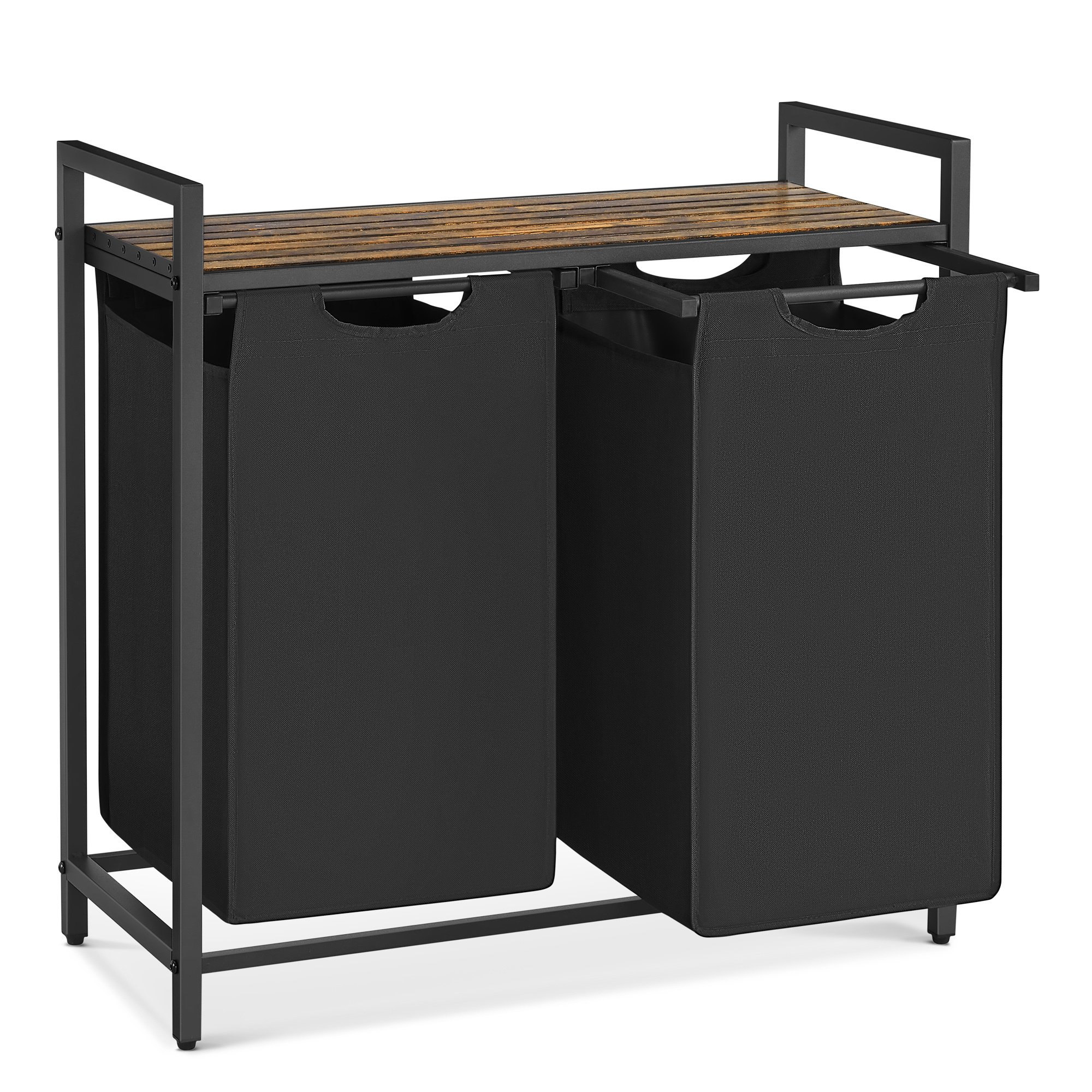
Let’s slow down a moment. We look at airflow rate, liner fabric weight, and safe finishes because they matter to your routine. Low-vent baskets trap moisture. Heavy loads stress weak frames. Thin coatings may chip and shed. When VOC emissions are not managed, the smell tells on the finish, and it stays. A basket can pass a load-bearing test in a lab, yet fail under a wet pile in a warm bathroom. That is why smarter sourcing and better QC help. Even simple touches—rounded edge banding, a stable lid—cut risk. We’ll walk through what sits under the lid, and how to read the signs. Ready to see the hidden details that keep clothes fresh? Let’s move to the core problems and clear fixes.
Under the Lid: Hidden Pain Points With Bamboo Baskets
Where do problems start?
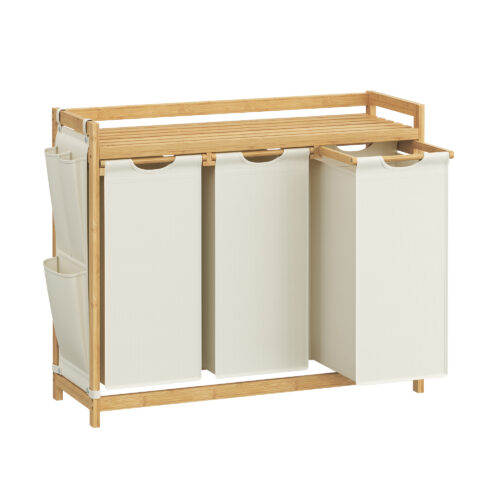
When you choose a bamboo laundry basket supplier, small choices shape big outcomes. Technical fit comes first: moisture barrier on the base, proper vent slots, and a liner GSM that matches your load size. Without anti-mildew treatment, damp fibers support mold. Without sealed edge banding, splinters rise as humidity swings. Look, it’s simpler than you think—water in, air out. Yet, many baskets use dense weaves with no airflow path. That traps steam. Add a weekend lull in washing, and odors set. A reliable partner will share load-bearing test reports, liner abrasion scores, and finish safety data (ISO 9001 is a good sign). They’ll also show warp-resistance checks, so panels stay true over seasons.
Hidden pain points often sit in daily use. Liners with weak stitching tear at handles first. Lids sag when hinge screws bite into soft bamboo without inserts. Base pads fall off if adhesive is not humidity-rated. These misses come from rushed SKUs and thin QC. A better path uses ERP-linked supply chain traceability and batch-level inspection, plus clear specs for screw torque and pre-drill size. It sounds heavy, but it’s just good practice. Reduce VOC emissions, add a breathable liner, and protect the base with a moisture guard—and yes, it adds up. The result: fewer returns, easier care, and a calmer laundry corner.
Next-Gen Baskets: Cases and What’s Next
Real-world Impact
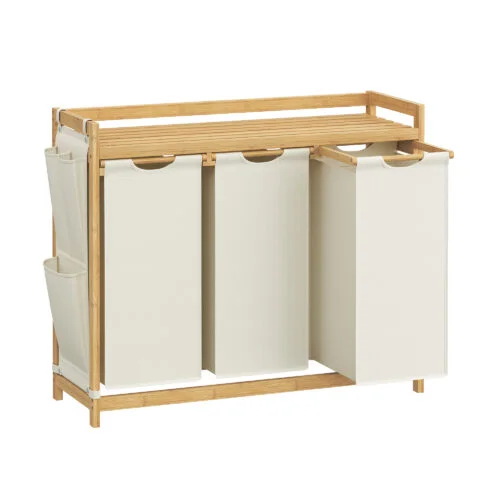
Let’s compare outcomes in the field. One apartment operator swapped generic bins for a ventilated bamboo model from a vetted laundry basket supplier. They added 6 mm vent gaps, upgraded to a 140–160 GSM cotton liner, and sealed the base with a water-resistant coating. Odor complaints dropped, and liner tears fell in the first quarter. Not magic—just better specs. When RFID tagging supports lot-level traceability, warranty issues shrink, because root causes show fast. QC teams can match a hinge failure to a screw batch and fix it at source. This is where practical tech meets daily comfort. It feels small, but in busy buildings, the impact is real.
What’s next looks promising. Circular design is maturing: replaceable liners, standardized hinges, and easy disassembly for recycling. LCA (life cycle assessment) data now guides material selection, pairing bamboo slats with low-VOC finishes that pass stricter thresholds. Some suppliers test panels in humidity chambers and perform accelerated corrosion checks on metal inserts. Others use lean SKU optimization, so parts are shared across models, making service simpler. The voice of users shapes these moves—families want sturdy lids that stay put, students want fold-flat frames, and caregivers want liners that wash clean without fray. With clear metrics, you can choose well.
Here are three simple metrics to guide selection: First, ventilation and moisture control—ask for vent area, liner GSM, and proof of anti-mildew treatment. Second, structural integrity—check load-bearing test results, hinge reinforcement details, and edge banding quality. Third, safe and traceable finishes—request VOC emission data, finish durability tests, and basic supply chain traceability (even a simple batch code helps). Evaluate these, and you’ll feel the difference at home. For steady, well-documented solutions grounded in everyday use, see SONGMICS HOME B2B.