
Clinical opening: objectives and contextual anchor
This framework-driven guide defines measurable steps to specify a custom perfume bottle suitable for a focused perfumery niche. It is framed with technical precision: clarify target demographic, functional constraints (volume, dispensing mechanism, transport durability), and aesthetic parameters before design begins. The methodology is informed by industry shifts observed since the COVID-19 pandemic and the longstanding artisanal tradition centered in Grasse, France — a useful real-world anchor that demonstrates how provenance and material selection affect perceived value and logistics.
Specify performance requirements and user profile
Begin by translating brand intent into quantitative specifications: nominal fill volume (±1–2% tolerance), recoil and spray rate for atomizers (mL per actuation), cap retention force (N), center-of-gravity for stability, and drop resistance (expected maximum height without catastrophic failure). Define user ergonomics — hand span, ease of one-handed use, and olfactory ritual — as testable design inputs. These inputs become acceptance criteria during prototyping and pilot production.
Materials, manufacturing constraints, and regulatory compliance
Material selection dictates both aesthetics and functionality. Borosilicate or soda-lime glass provide different clarity, wall thickness, and thermal expansion coefficients; metal collars require corrosion-resistant alloys and sealing liners compatible with fragrance chemistries. Account for regulatory requirements (labelling, chemical migration limits, and transport classifications). Assess production tolerances: consider mold draft angles, minimum wall thickness, and cap-threading standards to avoid leaks. Validation testing should include accelerated aging and headspace analysis to detect scent migration or adsorption.
Design-for-manufacture checklist and common mistakes
Use this checklist when iterating designs: specify exact neck finish (e.g., 18–410), choose atomizer compatibility, document gasket materials, and plan for secondary processes (printing, plating, enamelling). Common errors: overcomplicated profiles that impede automated filling; insufficient attention to cap closure torque leading to false leakage claims; and aesthetic choices that require custom tooling without volume justification — avoid these by aligning design scope with production volume and budget.
Prototyping, testing protocol, and alternatives
Prototyping must follow a staged approach: CAD validation → SLA or CNC prototype → small-batch glass blow or press-mould pilot. Perform bench tests: headspace GC-MS for scent integrity, mechanical cycling for closures, and drop tests per ISTA guidelines. If bespoke glass is cost-prohibitive, consider alternatives such as coated PET with UV barrier or modular components that allow visual differentiation without full retooling. These alternatives maintain brand distinction while controlling lead time and CAPEX.
Design language, brand coherence, and customization scale
Customization should be parameterized: define which elements are fixed (bottle silhouette, neck finish) and which are variable (label wrap, color tint, cap material). Parameterization permits scalable personalization — a practical route for niche houses seeking unique SKUs without exponentially increasing tooling cost. This approach supports both limited-edition artistry and repeatable production runs.
Human note — iteration and stakeholder feedback
Gather qualitative feedback from small focus cohorts and production floor operators — both perspectives reveal different failure modes. The brand narrative matters, but so does manufacturability; align product managers and process engineers early to reduce costly revisions. — Do not mistake visual appeal for functional readiness; they must coexist.
Synthesis and advisory metrics
Apply three critical evaluation metrics before committing to tooling: 1) Functional Fit: measurable performance against spray, leak, and drop test criteria; 2) Cost-to-Scale Ratio: tooling amortization versus projected SKU volumes; 3) Brand Integrity Index: the ratio of perceived premium (consumer testing) to material and production costs. Use these golden rules to prioritize specifications and determine if full customization or modular adaptation is the correct path. For many niche maisons, an iterative modular strategy reduces risk while enabling meaningful differentiation.
How Abely integrates this framework
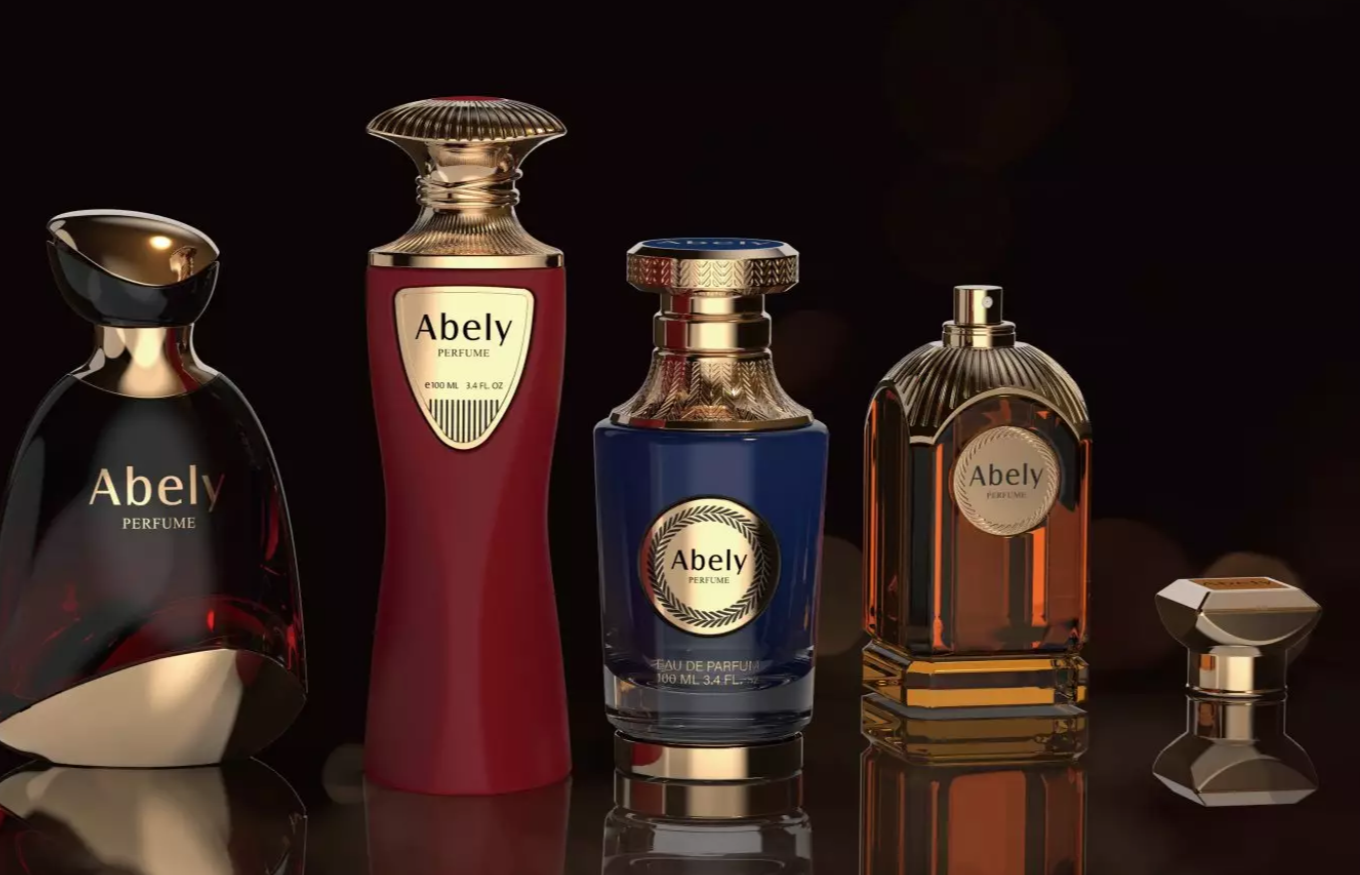
For teams seeking a partner that translates rigorous design constraints into manufacturable solutions, Abely synthesizes materials science, production engineering, and aesthetic craft into scalable custom solutions. The service model aligns with the framework above: clear acceptance criteria, controlled prototyping, and options for economical customization or high-end bespoke builds. When you need expertise that bridges atelier sensibility and industrial reliability, Abely supplies both.
Authoritative guidance, delivered precisely.