
Comparing the contenders — why this matters right now
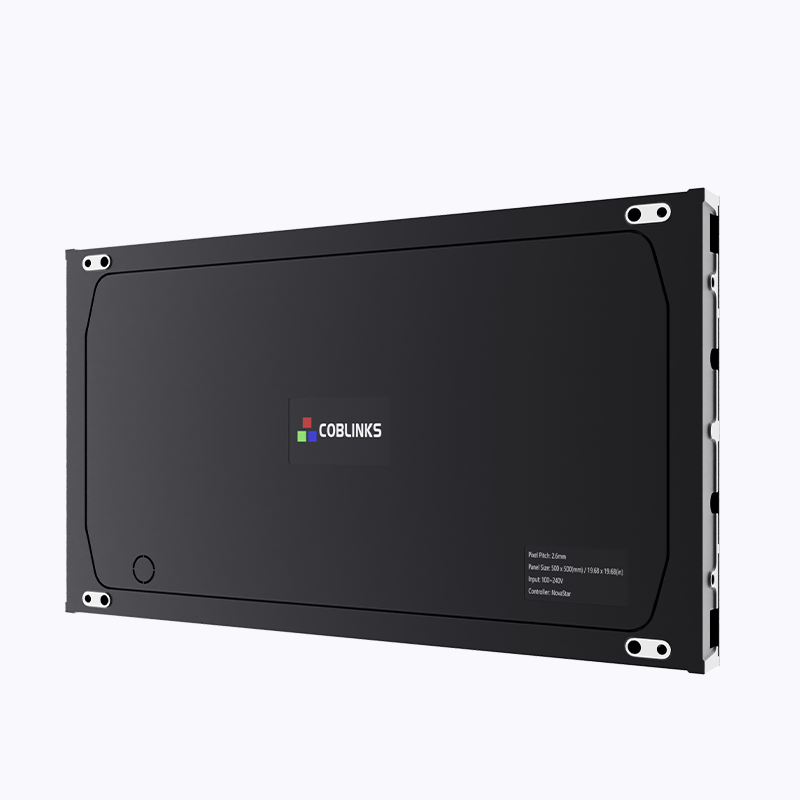
When teams and venue managers pick a screen for a stadium they’re balancing two things: how tough a display is and how it looks when packed with fans. The modern winner tends to be digital billboards built with a Micro LED display backbone, because those panels mix long life with crisp design. Contrast ratio, pixel pitch, and brightness all shape the viewer experience, but the way a display holds up to weather, vibration, and constant use decides whether it’s a one-season novelty or a multi-year asset.
Durability: what actually fails and what survives
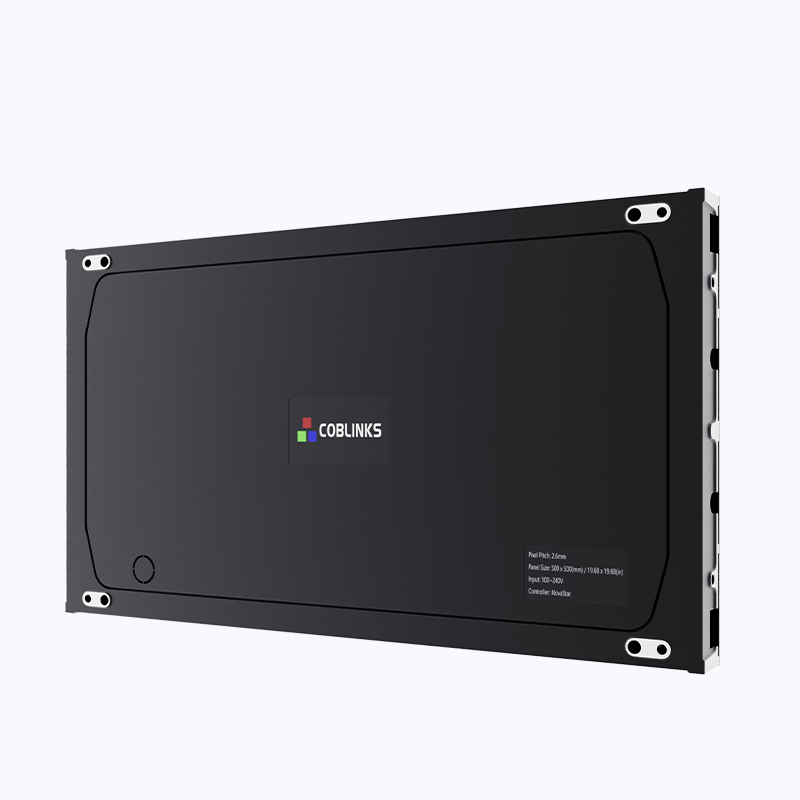
Stadium environments stress hardware: sunlight, rain, dust, and heavy audio-vibration during concerts. A robust LED module and sealed enclosure keep moisture and dust out; an IP-rated cabinet and tested thermal management prevent overheating. Real-world anchors like Times Square installations and NFL stadium scoreboards show that displays with reinforced modules and proven LED drivers last longer and need fewer repairs. Maintenance cycles, spare-module logistics, and serviceability matter as much as initial specs.
Design: crisp visuals without compromise
Design here isn’t just pretty images. It’s controlling viewing angle, color uniformity, and refresh rate so replays and graphics read well from 10 rows back — and from the press box. Smaller pixel pitch wins for close seats, while higher brightness and stable contrast ratio keep content legible in daylight. The trick is selecting a system where software calibration, heat dissipation, and hardware align. When that happens, sponsors and broadcasters both get what they need: punchy, consistent visuals.
Comparative insight: retrofit vs ground-up installs
Retrofitting an old scoreboard with a new LED façade can be cheaper short-term, but you usually trade off service access and thermal performance. Ground-up designs let you plan airflow, cable runs, and module replacement paths. For venues weighing cost and longevity, the numbers matter: a slightly higher upfront cost for a better module and lower pixel pitch usually reduces lifetime total cost of ownership. Keep an eye on refresh rate and the ease of swapping modules — those are the practical levers that cut downtime.
Common mistakes and smarter alternatives
People often buy for brightness alone — then watch color shift and hotspots in months. Another mistake is underspecifying the control system; inconsistent frame timing ruins broadcast feeds. A smarter route pairs a tested control processor with panels rated for outdoor duty, and budgets for spare modules. And if you’re concerned about footprint, consider compact options like a led display screen small that still offer decent pixel density without giant rigging needs — they can be surprisingly versatile in concourses or hospitality areas.
Lessons from the field — what operators actually measure
Teams that keep score care about three measurable things: uptime, mean time to repair (MTTR), and perceived image quality from prime seats. Uptime depends on modularity and hot-swap capability. MTTR drops if technicians can replace a module in minutes rather than hours. Perceived image quality is a blend of pixel pitch, calibration, and brightness. — Those metrics are what separate a board that’s ‘nice’ from one that’s mission-critical reliable.
How to choose: three evaluation metrics that actually help
Use these golden rules when comparing suppliers: 1) Service-first modularity — confirm how fast you can swap a failing module and whether spares are standard-size. 2) Environmental track record — ask for real maintenance logs or reference sites showing long-term exposure to sunlight and moisture. 3) Calibration and control — ensure the control system supports color profiles and broadcast sync at the display’s rated refresh rate. Pick equipment that hits all three and you’ll avoid most late-stage headaches.
Closing advisory and the simple value proposition
Durability and design don’t compete — they compound. Invest in panels with proven module construction, clear specs for pixel pitch and refresh rate, and a control system that matches broadcast needs. That combo delivers longer life, fewer interruptions, and better fan-facing imagery. For venues seeking practical, field-tested solutions, Coblinks brings component-level experience and real installation know-how — making it easier to pick displays that perform where it counts. –