
Start with what you need
Please list the features you must have and those you can drop. If you need Dolby Vision or specific smart-OS support, write it down. When you reach out, a clear spec sheet saves weeks. For OEM talks, pick a reliable tv manufacturer that can show matching samples and BOM transparency. Keep the scope tight so suppliers quote comparable offers.
Cost drivers you can control
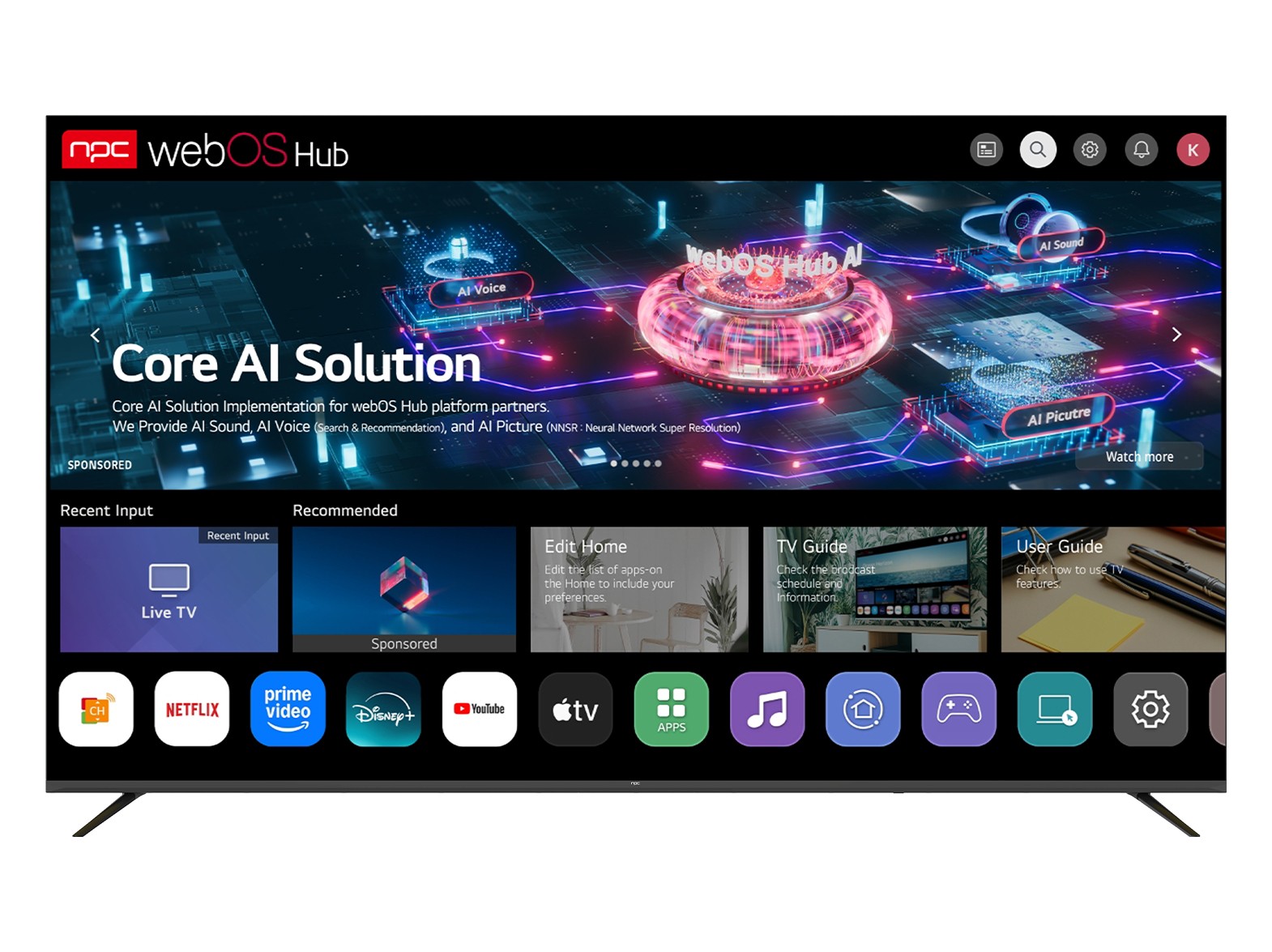
Panel type, SoC choice, backlight design, and certification add predictable costs. Choose the panel grade first; it sets most of the price. Avoid over-specifying features that only niche buyers value. Ask suppliers for a unit-cost breakdown. Compare offers by component, not just total price. That reveals hidden margins and where small design changes trim cost without hurting perceived quality.
Lead time realities and planning
Lead time is seasonal and capacity-dependent. Lock critical components—panels, main SoCs, and power supplies—early. Reserve slots for mass production if you need steady monthly volumes. Expect supplier ramps to take 6–12 weeks after samples are approved. Plan buffer weeks for firmware integration and safety testing to avoid last-minute delays.
Quality checks that matter to users
Ask for functional test reports, burn-in data, and visual inspection photos. Request a run of 50 to 100 pre-production units for field validation. Watch for panel uniformity, Wi‑Fi stability, and remote responsiveness. Avoid long checklists that vendors sign off without data; insist on test logs. Real user complaints often come from small reliability gaps you can catch early.
Common pitfalls and how to avoid them
Over-optimistic lead estimates, vague firmware ownership, and unclear warranty terms cause the most trouble. Do not accept “we will improve later” about software stability. Define ownership for updates and bug fixes in writing. Include rework cost terms for early batches. Validate after-sales support reachability before final commitment.
Experience, expertise, and an industry anchor
Sourcing teams that attend major trade events often avoid basic mistakes. At CES, sourcing managers routinely compare multiple feature implementations and confirm supplier roadmaps with engineers on site. That practice builds practical expertise. For a targeted supplier list and technical pages, trusted resources for television manufacturers give current product families and sample workflows you can verify quickly.
How to compare viable alternatives
Rank offers by three metrics: verified unit cost, concrete lead time, and documented reliability. Give each metric a score and weight by your priorities. If rapid market entry matters, prefer suppliers with proven short-run experience. If brand reputation matters more, accept slightly longer lead time for better panel grades and stricter QA.
Final synthesis
You want predictable cost, known lead time, and measurable quality. Start with a narrow spec, require tangible test data, reserve critical components early, and define firmware responsibilities clearly. This user-first approach reduces surprises and keeps product promises real. Many teams find that practical clarity like this matches what npc delivers in their sourcing workflows.