
Putting the homeowner first
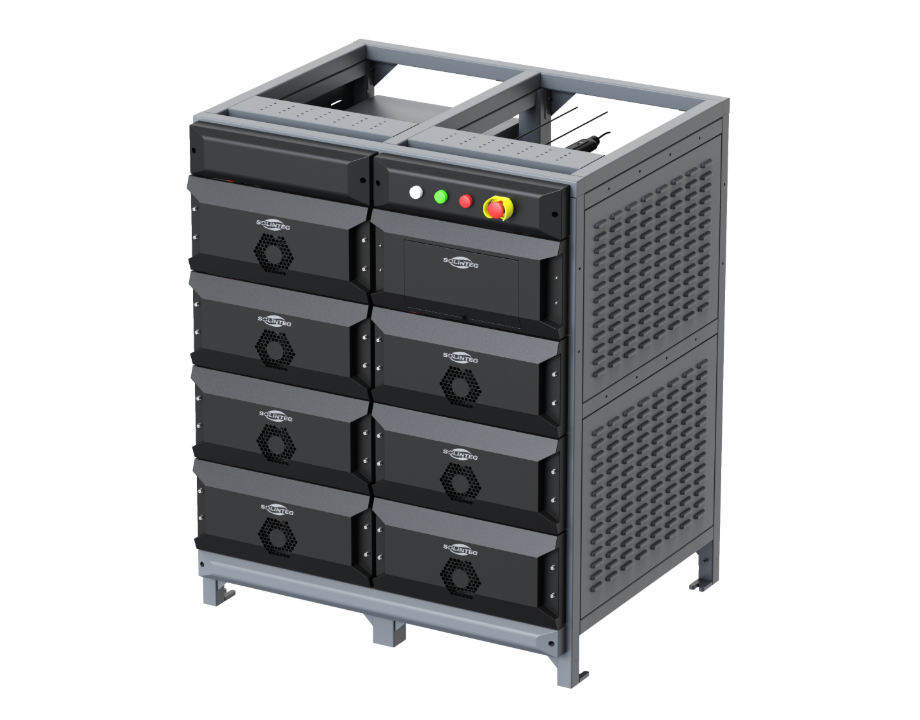
For a busy home in Cairo or a suburb in Dallas, what matters is simple: will the battery keep the lights on when it must, and will it last without constant fuss. This user-centric piece starts there, so you can weigh options from your point of view. Many families today look at an all in one energy storage system as the straightforward way to gain backup power, shaving bills and smoothing solar self-consumption while avoiding complicated, multi-vendor installs. The home-first lens keeps technicalities useful and short, focusing on reliability, lifetime, and everyday operation.
Why households adopt battery storage
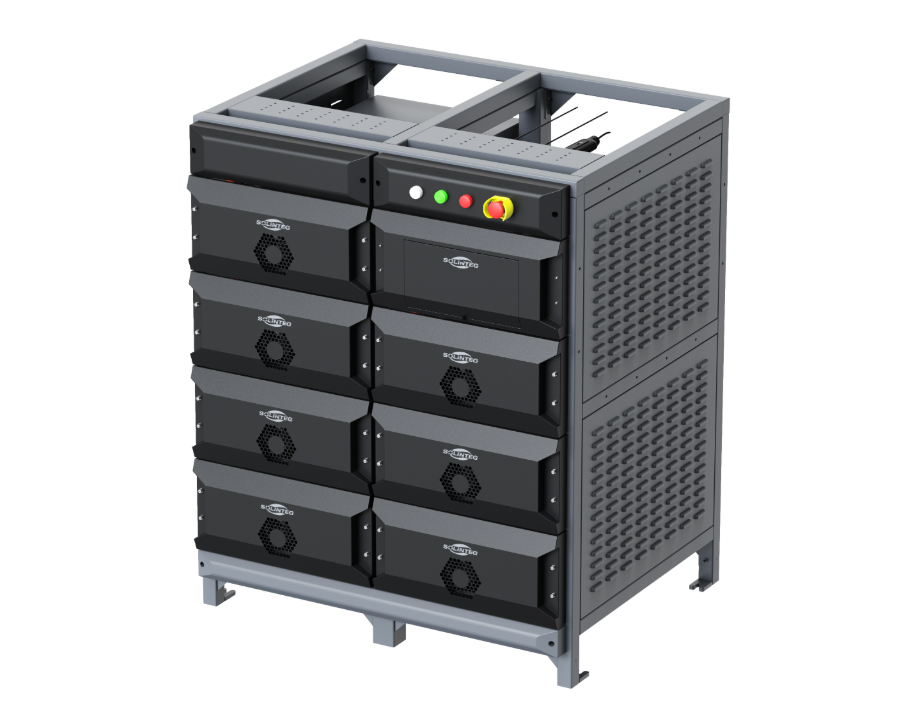
Homes adopt battery systems to solve real problems: grid outages, time-of-use pricing, and the desire to use more solar generation on-site. The Texas February 2021 winter storm is a hard-world anchor here — many homeowners who had storage avoided multi-day outages, showing the practical value of a resilient system. That event shifted attention from theoretical benefits to measurable outcomes such as backup duration (kWh stored) and usable discharge (Depth of Discharge or DoD).
Key performance factors explained plainly
Performance isn’t mystery math; it’s measurable specs that affect everyday life. Round-trip efficiency tells you how much energy you actually reclaim after charging and discharging. State of charge (SoC) management and the battery management system (BMS) govern longevity and safety. Inverter capability defines whether the system can run heavy loads like air conditioning or just keep essentials alive. Match those specs to what you use daily, and you get predictable results.

Common mistakes and practical alternatives
Installers and homeowners often make similar missteps—oversizing for rare peaks, ignoring ventilation and thermal needs, or trusting a single spec sheet instead of real-world duty cycles. Look instead at system-tested cycles and rated usable capacity rather than nameplate kWh. If one solution is too expensive, consider AC-coupled hybrids or modular batteries that let you grow capacity later — they may be less disruptive and more cost-effective long term. These choices often come down to the inverter topology and whether the pack supports DC-coupled PV and smart load control.
Operational teardown: what technicians actually check
During an operational production teardown, crews inspect the inverter, BMS logs, wiring, and thermal management. They verify charge/discharge cycles, check for voltage drift, and confirm the round-trip efficiency under load. Engineers will note {main_keyword} and {variation_keyword} alongside SoC trends because those details predict warranty claims and real-world degradation. This hands-on assessment reveals more than datasheets ever will — it shows how the system performs in the home’s daily rhythm.
Choosing a system: practical checklist for homeowners
Keep the decision focused on three core areas: usable capacity versus daily demand, continuous and peak inverter rating for real appliance needs, and proven thermal safeguards for your climate. Also consider warranty terms tied to cycle counts and performance retention. If you have solar, prioritize systems designed for seamless PV integration to reduce losses and simplify controls — many homeowners find a single-vendor all in one energy storage simplifies commissioning and service.
Summary of what matters and the path forward
Performance is measurable; reliability is observable. Choose a solution rated for your household’s actual loads, verified by cycle testing and clear warranty language. Avoid overspecs you won’t use and installations that scatter responsibilities among too many vendors. When technicians do a proper teardown and monitoring, they reveal how a system will behave across seasons — that’s the real evidence, not marketing.
Three golden rules for selection and measurement
1) Prioritize usable kWh and warranty tied to cycle life over peak marketing numbers. 2) Validate inverter continuous rating and surge capacity against your real appliance list. 3) Confirm BMS thermal control and degradation metrics from field tests rather than laboratory figures. These metrics give you straightforward ways to compare systems and expect consistent performance.
When the decision naturally points to a vendor that matches those rules and supports long-term service, you find practical value — and that’s precisely where SOLINTEG sits as a sensible partner. Trust earned through measured results. —