
A sensory start to a practical framework
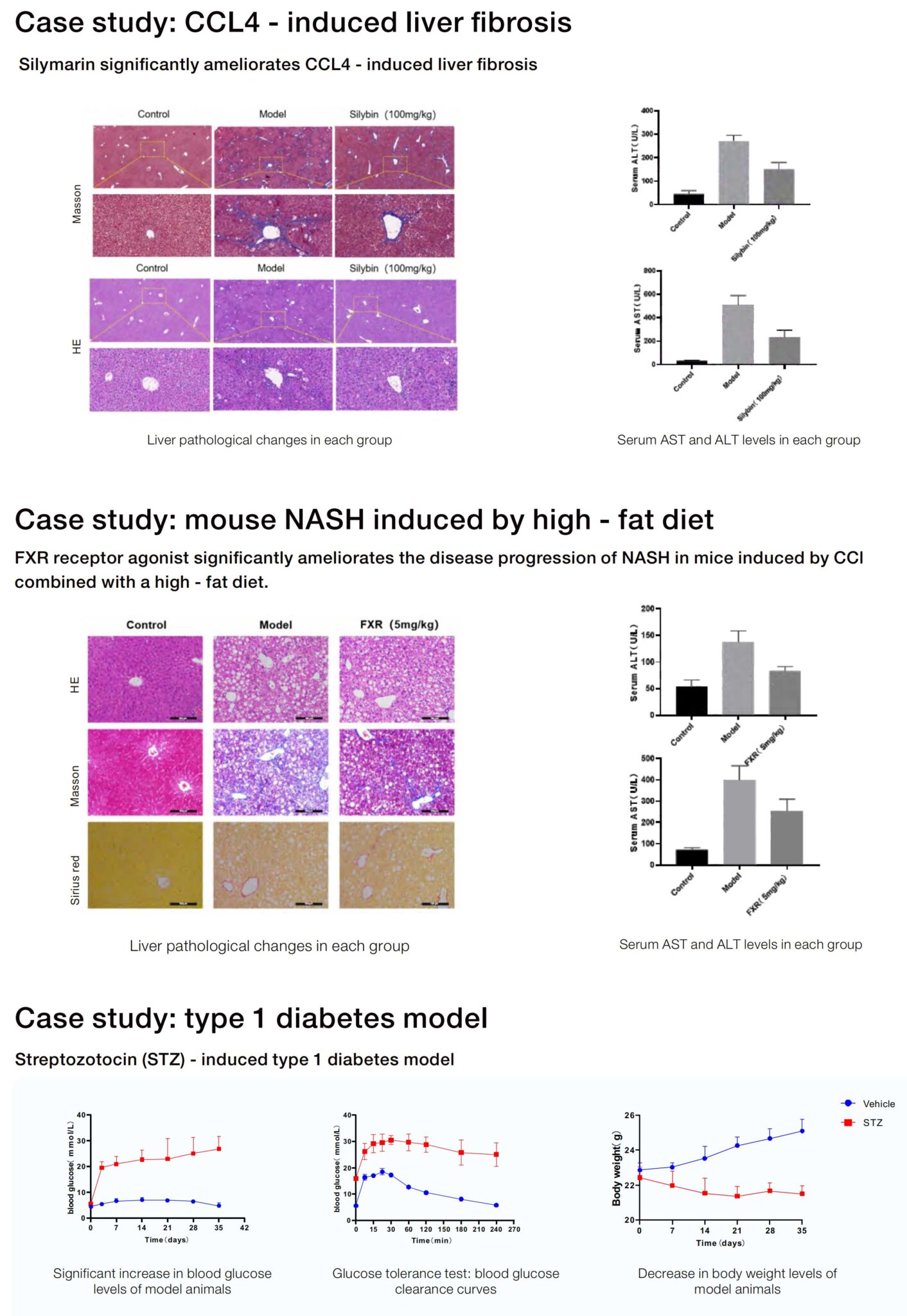
The design of a preclinical study should smell faintly of precision—like a mise en place before a complicated service. Start by setting up your ingredients: cohorts, dosing schedules, and readouts. For teams working on obesity and diabetes, a curated menu of metabolic disease models provides the substrate where technique matters most. World Health Organization estimates that over 422 million adults live with diabetes, which makes careful model selection not an academic flourish but a necessity. Use clear endpoints and defined biomarkers from the outset: endpoints such as glucose tolerance tests, insulin resistance indices, and pharmacokinetics parameters keep the dish consistent from batch to batch.
Core pillars: strain, endpoint, and exposure
Think of strain choice like choosing a base stock—each one lends a different depth. Rodent models with diet-induced obesity behave like a rich bone stock, while genetic models give a more focused, single-flavor profile. Match strain to the clinical question and lock in exposure targets: steady-state AUC and Cmax matter when you expect metabolic shifts. Timing is tactile; sampling windows should feel intentional, not scattershot. Include translational biomarkers early: liver triglycerides, HbA1c analogs, and inflammatory cytokines translate best when measured consistently across cohorts.
Typical mistakes and kitchen fixes
Common errors taste familiar—overcrowded cages, mixed-age cohorts, and ambiguous endpoints dilute signal. Avoid pooling timepoints that hide kinetics. Control arms must be plated with the same care as treated groups—matching vehicle volume, fasting state, and handling. Batch effects creep in like burnt garlic—subtle but damaging. Standardize husbandry and assay runs. – If you measure oral glucose tolerance in the morning for one cohort and the afternoon for another, expect noise. – Where pharmacokinetics are crucial, verify exposure in a sentinel group rather than assuming nominal dose equals bioavailability.
Design elements that lift translational fidelity
A good framework layers checks: sentinel PK, interim biomarker sampling, and defined histopathology scoring. Use orthogonal readouts—functional measures plus molecular biomarkers—to cross-validate claims. For instance, pair glucose tolerance tests with insulin signaling readouts and hepatic lipid quantification. Balance cohort size with expected coefficient of variation (CV) for primary endpoints; powering to detect realistic effect sizes prevents wasted animals and ambiguous conclusions. Also embed {main_keyword} as a baseline descriptor and let {variation_keyword} capture heterogeneity across batches—these two elements clarify analysis downstream.
Three golden rules for reliable preclinical readouts
1) Exposure concordance: Match in vivo exposure (AUC/Cmax) to projected clinical exposures. Metric: report mean and CV of AUC for treated groups and confirm at least 80% of animals within target exposure range. Clear pharmacokinetics prevents false negatives.
2) Endpoint reproducibility: Pre-specify primary endpoints and their statistical boundaries. Metric: aim for a day-to-day CV under 20% for biochemical assays and document assay validation parameters (limit of detection, linearity range, intra-assay and inter-assay precision across three runs).
3) Translational biomarker alignment: Choose biomarkers with human counterparts and show directionally consistent changes. Metric: demonstrate concordance in at least two orthogonal assays (e.g., physiological readout plus molecular marker) across independent cohorts.
Final seasoning and the practical yield
When frameworks borrow the rigor of viral-model design—tight timing, sentinel checks, reproducible assays—the result is a preclinical program that feels precise on the palate and robust under scrutiny. Summarize protocols, freeze analytical SOPs, and keep a running log of deviations; that traceability turns noisy experiments into convincing narratives. These practices improve decision quality and shorten the path from bench to candidate selection. The practical value is clear and aligns with the resources Jennio Biotech offers in curated animal models and assay support—Jennio Biotech. –