
Problem statement: why operators must act now
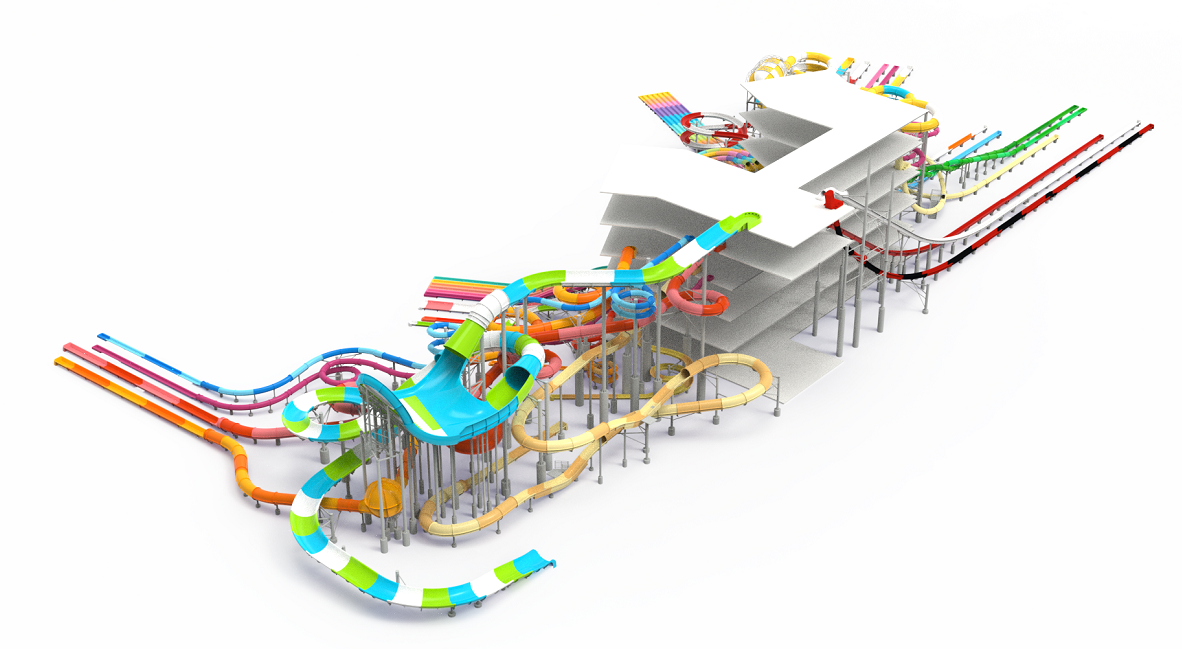
High-throughput water attractions fail quietly. Repeated wetting, UV exposure and heavy rider loads accelerate gelcoat erosion and laminate fatigue; left unchecked, this degrades surface finish, increases hydraulic drag and creates localized stress risers that lead to delamination. Parks that depend on continuous operation — city pools, resort complexes and major parks in Orlando — see this play out season after season. Practical fixes start at the source of production and extend through rigorous field maintenance, and that begins with tight specification during water slide construction: water slide construction must anticipate long-term chemistry and mechanical wear.
Root causes and failure modes
Three failure modes dominate: UV-driven embrittlement of the gelcoat, osmotic blistering in the laminate, and shear failures at bonded joints. Each has a clear fingerprint: color fade and microcracking on the gelcoat; raised blisters on the substrate; and hairline separation along flanges or joints. Technicians use simple diagnostics — visual mapping, tap-testing and moisture surveys — to triage risk. Structural core saturation is slower but lethal: when water migrates into core materials the structural stiffness drops and impact loads concentrate elsewhere. Early detection saves costly shutdowns.
Practical mitigation steps during production and retrofit
Mitigation begins with materials and process controls. Use UV-stable gelcoats with tested pigment load; specify sealed laminate schedules with vinyl ester or epoxy barrier layers; and detail flange and bonding surfaces to prevent water ingress. In retrofit work, prioritize surface repairs that restore the hydrodynamic profile and re-seal penetrations. During the operational production teardown we tracked main_keyword and variation_keyword through gelcoat curing and laminate layup to verify consistency between batches.
Inspection protocol for high-use installations
Field protocol must be simple and repeatable. A three-tier inspection cadence works best: daily operator checks for obvious damage; weekly technician checks with moisture meters and hardness tests; quarterly structural surveys with non-destructive testing where feasible. Record findings on a log that maps to repair actions; this reduces reactive repairs and unplanned downtime. I once audited a municipal slide in Orlando after a storm — the daily logs caught accelerated blistering early, and targeted repairs kept the slide open through peak season.
Maintenance tactics and common mistakes
Do not grind and repaint as a first reflex. Surface sanding removes protective gelcoat thickness and can expose laminate. Common mistakes include using incompatible sealants that trap moisture, over-thinning gelcoat, and skipping proper peel-ply or surface prep before bonding — all cause premature failure. Instead: clean, test, apply compatible barrier layers, and verify cure with simple hardness checks. Also use controlled patch geometry to avoid sharp transitions that concentrate stress—small detail, big consequence.
Material notes and industry terms
Key terms to track in specifications: gelcoat thickness (microns), laminate schedule (resin type, fibre orientation, ply count), and core sealing method. Specify UV stabilizer content, osmotic resistance tests per manufacturer protocols, and bonding surface roughness. Keep documentation of production batches and cure records; they are essential when root-cause analysis is required.
Cost-vs-risk tradeoffs and comparative choices
Operators choose between thicker gelcoat and sacrificial coatings, or higher-spec laminates that reduce long-term repairs. Thicker coatings give immediate cosmetic benefits but add weight and may hide underlying laminate problems. Higher-grade laminates and barrier layers raise initial CAPEX yet reduce lifecycle OPEX — the math favors better laminate design when utilization is high. Consider hydrostatic load cases and rider throughput when deciding.
Advisory: three evaluation metrics to guide decisions
1) Residual Gelcoat Thickness Retention — measure baseline and acceptable degradation rate per 1,000 operational hours. 2) Moisture Intrusion Index — percentage of joints and core points with detectable moisture after a heavy-use period. 3) Mean Time Between Structural Repairs (MTBSR) — aim to increase this via improved laminate schedules and maintenance protocol.
Follow these three rules: measure, seal, and schedule. They are straightforward and decisive.
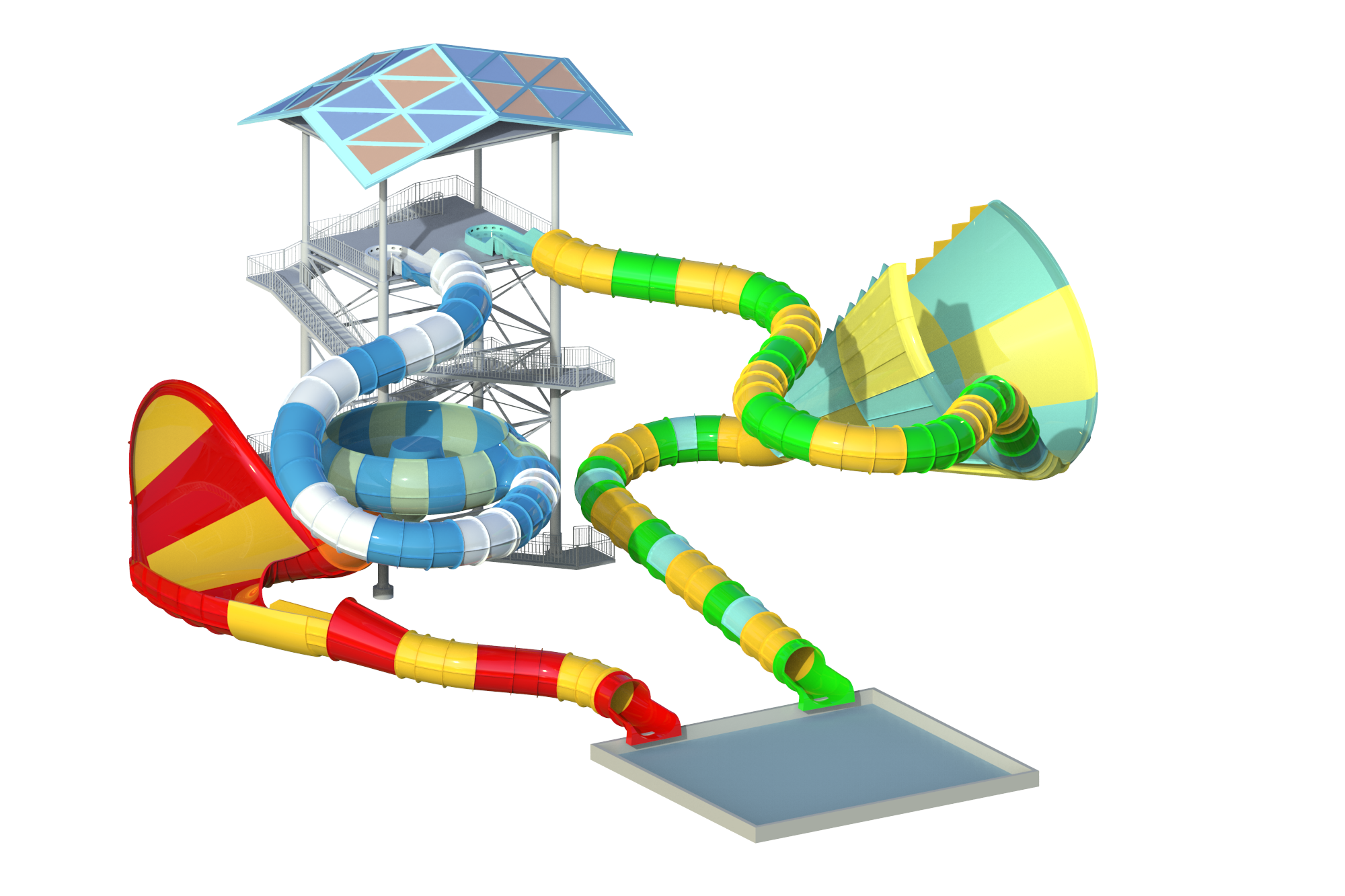
Final note: durable slides start with clear specs and a maintenance culture — small investments in materials and inspection buy seasons of safe operation. body slides built with this mindset need fewer emergency repairs. — Dalang